
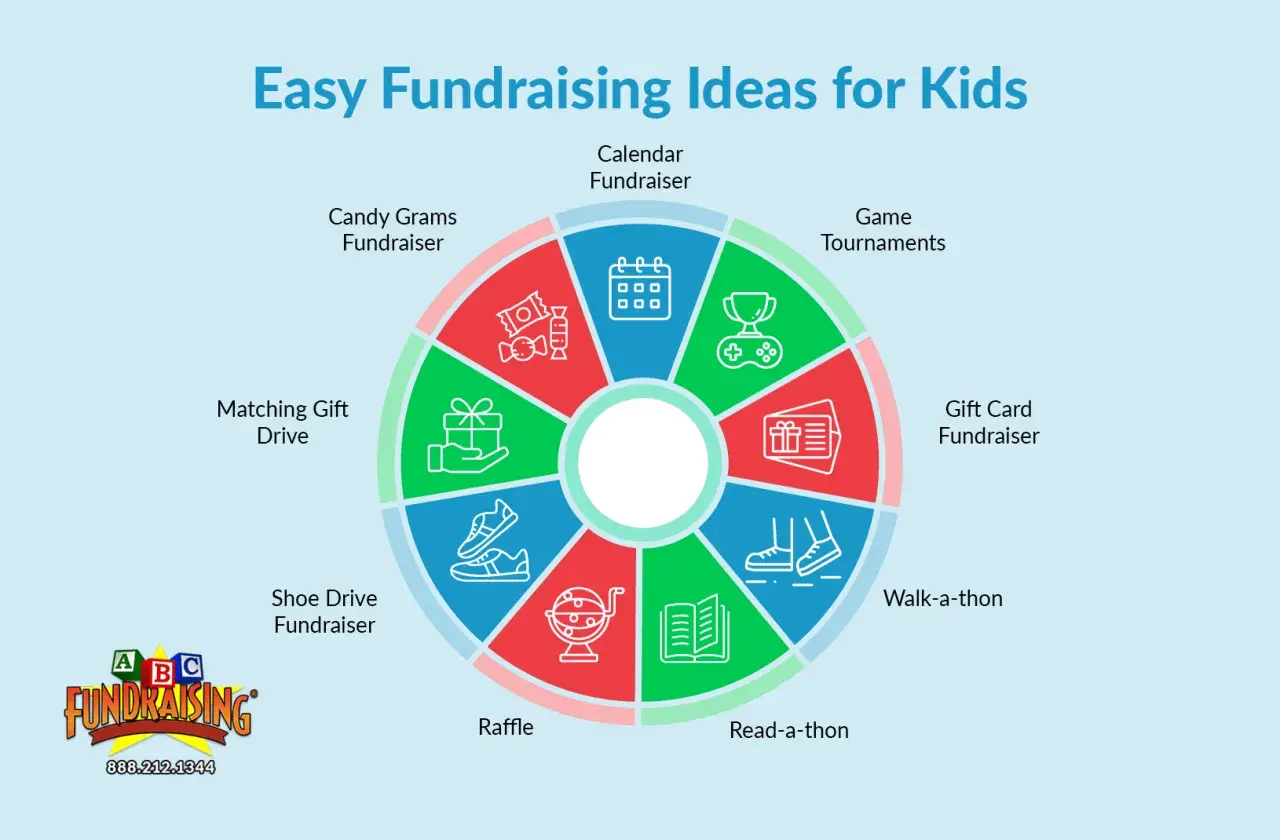
Teen fundraising works best when it is specific, permission-ready, and easy to explain in one breath. The real question is how to raise money for charity as a teenager without making the process harder than it needs to be. In this guide, I focus on the practical side: which ideas fit teens, what rules matter in the U.S., how to handle donations safely, and how to turn a small idea into something people actually support.
The essentials before you collect a dollar
- Keep the cause narrow. A fundraiser for one shelter, one drive, or one project is easier to trust than a broad wish list.
- Use an adult for the money path if you are under 18. Many online tools are built that way, and it saves setup headaches later.
- Choose a format people can understand immediately. Bake sales, car washes, sponsor challenges, and item drives still work because they are simple.
- Track everything from day one. A basic spreadsheet is enough if you actually use it.
- Promote with one clear ask. People respond faster when they know what the money does, when it happens, and how to help.
Rules and permissions you should check first
I start with permissions because they save the most time later. If the fundraiser involves online collection, make sure the platform allows teen participation; GoFundMe, for example, requires the person receiving the money to be 18 or older, so a younger teen needs a parent, guardian, or other adult to create or manage the fundraiser. That is not a nuisance detail. It changes how you set up the whole project.
For charitable giving, the money should end up with a real nonprofit. The IRS uses 501(c)(3) to classify charitable organizations, and that matters if donors expect a tax deduction. In plain English: if the cause is a charity, do not blur the line between a personal account and a charitable account.
For in-person events, check the school, venue, and city rules before you print flyers or collect cash. Raffles, food sales, and public-space events often need approval, and rules can vary by state. I also tell teens to keep one adult visibly involved even when the idea feels small; that makes approvals, cash handling, and follow-up much easier.
Once the rules are clear, the next question is which format gives you the best chance of finishing strong.

The fundraising formats that work best for teens
I prefer fundraisers that fit into a teen's actual life: school schedule, transportation, weather, and access to adults. A great idea on paper is useless if nobody can help you set it up on a Saturday morning.
| Method | Why it works | Best for | Typical starting ask | Main risk |
|---|---|---|---|---|
| Bake sale or snack table | Low-cost, easy to explain, and familiar to almost everyone | Schools, clubs, churches, and neighborhood events | $2-$4 per item | Food rules and uneven turnout |
| Car wash | Visible, social, and simple to market in one sentence | Warm weather and busy parking areas | $10 suggested donation | Weather and permission to use space |
| Sponsored challenge | Friends can support you per mile, lap, hour, or completed task | Sports teams, clubs, and active teens | $1 per lap or $25 flat sponsor | Pacing, safety, and inconsistent tracking |
| Community night or talent show | Turns support into an event people remember | Classrooms, youth groups, and local organizations | $5-$15 entry or donation | More planning time and a bigger volunteer load |
| Donation drive | Useful when the charity needs items more than cash | Animal shelters, food banks, and family service groups | One item or one bag per donor | Storage, sorting, and pickup logistics |
| Adult-run online page | Works when you need to reach beyond your immediate circle | Longer campaigns and broader sharing | $10-$25 donor ask | Adult setup required and message fatigue |
My bias is simple: if you only have a few weeks, choose the option that creates the least friction for the donor. A $10 suggested donation at a car wash can outperform a more complicated event that needs tickets, volunteers, and a big explanation. If the charity needs physical supplies more than cash, a drive can be the smarter move, because people often give faster when they know exactly what item to bring.
If you need to raise money beyond your immediate circle, an adult-run online page can help, but it still needs a story, a deadline, and regular updates. Technology does not replace clarity. With the format chosen, the real work is making the plan small enough to execute.
How to plan the fundraiser in a weekend
I like to plan backward from the deadline. If the event is on Saturday, the pitch, materials, and permissions should be done before Friday night. That mindset keeps a teen fundraiser realistic instead of dreamy.
- Pick one cause and one visible result. I would rather see a fundraiser that buys 50 meals, 20 backpacks, or a week of supplies for one shelter than a vague appeal for "helping people."
- Set a target that matches your network. For a first attempt, a goal in the $250-$500 range is usually easier to communicate than a much bigger number, because people can picture the finish line.
- Write a one-sentence pitch and a 15-second version. If you cannot explain the fundraiser quickly, it is too busy.
- Choose one way to collect money. Cash box, card link, or adult-run page. Mixing too many methods causes mistakes.
- Make a small materials list. Posters, sign-up sheets, receipts, change, bins, tables, or QR codes. Anything not on the list tends to get forgotten.
- Test the message with 3 to 5 people. If they do not understand the cause, the date, or the ask, rewrite it.
- Launch and review daily. A five-minute check each day is enough to catch missing supplies, cash issues, or a weak turnout plan.
I also like to define success in practical terms. "Raise $400" is fine, but "raise $400 and deliver the funds with a receipt or update" is better. It gives donors a reason to trust the process, not just the goal.
Once the plan is locked, promotion matters more than perfection.
How to promote it without sounding pushy
The best promotion for a teen fundraiser is not loud; it is specific. The message should answer four questions immediately: what is the charity, what are you doing, when is it happening, and how can someone help? If a stranger can read the post in ten seconds and understand the ask, you are close.
- Start with people who already know you. Family, teachers, coaches, neighbors, and youth leaders are the easiest first supporters.
- Use one visual and one action. A single flyer, QR code, or link beats a cluttered poster with too many details.
- Post progress instead of repeating the same plea. "We hit 40%" is more useful than another identical ask.
- Thank people publicly and privately. Gratitude is part of the fundraising, not an afterthought.
- Keep the tone human. Honest, plain language works better than guilt or fake urgency.
I also like a short script: "I am raising money for [charity] by [activity] on [date]. A donation of [amount] covers [result], and sharing this post helps too." That keeps the ask clear, useful, and easy to repeat without sounding robotic.
Promotion gets people to notice the fundraiser; tracking is what makes them trust it.
Common mistakes that waste time and goodwill
The fastest way to lose support is to make the fundraiser feel messy. I would avoid these traps:
- Too many causes. One charity, one need, one result.
- No adult oversight. Especially online, this creates platform and bank problems.
- Cash without records. Count it, log it, and deposit it quickly.
- Overcomplicated mechanics. People do not need a five-step donation process.
- Weak permissions. Schools, parks, and public spaces can shut things down fast if you skip approvals.
- Using a raffle without checking the rules. In the U.S., this can become state-specific very quickly.
- Forgetting the follow-up. Thank donors and show results, or you train people to ignore the next ask.
I also think first-time teen fundraisers should aim a little lower than their instinct suggests. A clean $250 or $500 project that finishes on time is better than a chaotic push for a much bigger number. People remember reliability.
After you avoid those problems, the last step is deciding what I would personally launch first.
What I would launch first if I had one weekend
If I were starting from zero, I would choose one of three setups. For a small local audience, I would do a bake sale or car wash with a clearly labeled donation jar and one adult handling the money. For a broader audience, I would use an adult-run online page tied directly to the charity. For a cause that needs supplies, I would run a donation drive with a specific list people can follow without guessing.
I would also keep the ask narrow. One cause, one deadline, one way to give. That is usually enough. If the fundraiser is for a real nonprofit, I would ask the charity to approve the wording or host the link when possible, because that keeps receipts, trust, and follow-up much cleaner.
The strongest teen fundraisers are usually not the flashiest. They are the ones that are easy to explain, easy to trust, and easy to finish. That is the standard I would use every time.
