
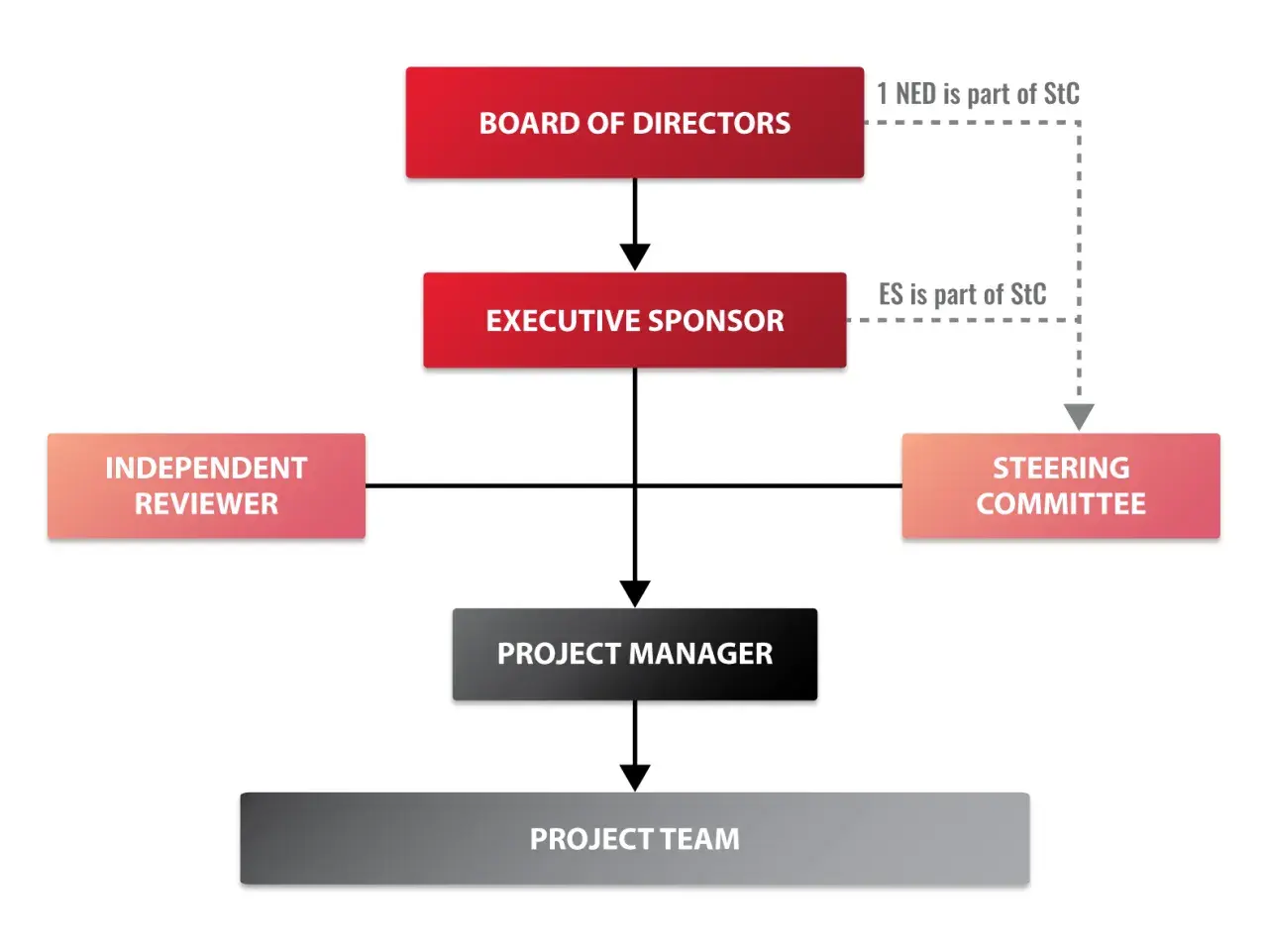
The phrase board of trustees positions sounds administrative, but it points to a real governance problem: who leads, who keeps the record, who watches the money, and who makes sure the mission does not drift. In schools, foundations, museums, and charities, those roles shape whether the board is a source of discipline or just a monthly meeting. I am going to break down the common trustee roles, how they differ, how terms and succession usually work, and what I would watch for if I were joining or building a board today.
The roles that matter most are the ones that protect mission, money, and accountability
- Trustees govern; staff operate. That boundary is the backbone of healthy board governance.
- Chair, vice chair, secretary, and treasurer are the core officer roles on most boards.
- Committee chairs become important when finance, governance, fundraising, or academic oversight needs deeper work.
- Terms and term limits keep the board fresh and prevent power from hardening in one place.
- Ex officio or advisory seats can add expertise, but their voting status must be explicit.
- A good board structure is lean enough to move and structured enough to hold people accountable.
What a board of trustees is expected to govern
A board of trustees exists to protect mission, assets, and long-term direction. The National Council of Nonprofits describes board members as fiduciaries, which is the right starting point: they are there to exercise oversight, not to manage daily work.
- Approve strategy and major priorities so the institution does not drift away from its purpose.
- Review budgets, audits, and financial controls so money is handled responsibly.
- Hire, support, and evaluate the executive leader so leadership is accountable.
- Monitor risk, compliance, and conflicts of interest so trust is protected.
- Represent the institution publicly to donors, partners, regulators, and the community.
Most trustee boards are made up of volunteers, which makes clarity even more important. If a task belongs on the executive team’s calendar every week, it probably does not belong on the board’s agenda. Once that separation is clear, the question becomes how those duties are divided among actual positions.

The main positions you will usually see on a trustee board
Titles vary by institution, but the functional structure is remarkably consistent. Some schools and foundations call the board leader a chair, others use president, and some add a chair-elect to make succession smoother. The point is not the title itself; it is whether each seat has a clear job.
| Position | Primary focus | What I expect it to do | Common mistake |
|---|---|---|---|
| Chair | Leadership and agenda setting | Runs meetings, works closely with the executive leader, keeps the board strategic, and sets a constructive tone. | Micromanaging staff or turning meetings into personal opinion sessions. |
| Vice chair | Continuity and backup leadership | Steps in when the chair is absent, takes on special assignments, and prepares for future leadership. | Becoming invisible until a crisis forces the role to matter. |
| Secretary | Records and governance memory | Protects minutes, notices, resolutions, attendance, and the integrity of official board documents. | Treating minutes as a formality instead of a legal and institutional record. |
| Treasurer | Financial oversight | Reads financial reports, asks for explanations of variances, and helps the board understand the budget story. | Acting like a bookkeeper rather than an oversight leader. |
| Trustee at large | Judgment and voting | Participates in deliberation, committee work, fundraising, and mission-level decisions. | Showing up only for formal votes and missing the work in between. |
| Committee chair | Focused governance work | Leads finance, governance, audit, development, or academic committees and reports back to the full board. | Creating a silo that never connects back to the board’s priorities. |
| Chair-elect | Succession planning | Learns the board’s rhythm and prepares to take over the chair role cleanly. | Treating succession as ceremonial instead of practical. |
| Ex officio or advisory member | Role-based perspective | Brings expertise or institutional linkage, depending on what the bylaws permit. | Assuming everyone in the room has the same voting rights. |
I like this way of thinking because it keeps a board from collecting titles that sound impressive but do not move the work. The next step is understanding how those roles behave when real pressure hits.
How the core officers differ when the board is under pressure
In a calm meeting, almost any board looks organized. The differences show up when the agenda is crowded, the budget is tight, or the organization is under public scrutiny.
Chair
The chair is the meeting architect. I want this person to set priorities, draw out the right voices, manage time, and keep the board from sliding into operational detail. In a healthy board, the chair also keeps the relationship with the executive leader professional and disciplined, not personal or improvised.
Vice chair
The vice chair is not a spare ornament. This role should be the board’s continuity plan, someone who can step in smoothly, carry special projects, and build enough context to lead later. When a board has no real succession path, the vice chair is usually the missing piece.
Secretary
The secretary protects institutional memory. Good minutes are not transcripts; they are decision records that show what was approved, deferred, or assigned. If the secretary role is weak, the board may still feel productive in the room while creating a messy paper trail that causes trouble later.
Treasurer
The treasurer is the board’s financial interpreter. I look for someone who can read the budget, spot unusual trends, and ask better questions than “Are we okay?” This role becomes especially important when the organization has restricted funds, debt, grants, endowment restrictions, or audit issues.
Read Also: New Board of Directors - What Changes Mean for Your Org
Committee chairs
Committee chairs turn broad board responsibility into focused work. A finance chair keeps the numbers moving, a governance chair handles board composition and policies, and a development chair helps the board think seriously about fundraising. Committee chairs are useful only when the committee has a real charter and a direct line back to the full board.
Once those officer jobs are clear, the board can start thinking about how long people serve and how leadership changes hands.
How boards assign positions, terms, and succession
This is where bylaws stop being paperwork and start doing real work. I have seen boards become awkward and slow simply because no one defined how officers are elected, how long they serve, or who steps in when a seat opens mid-term.
- Start with the bylaws and confirm which positions are required, optional, voting, or ex officio.
- Separate board terms from officer terms, because a trustee may serve longer on the board than in a leadership office.
- Set a succession path, usually through a vice chair or chair-elect role, so the next leader is already learning the board culture.
- Write down how vacancies are filled and whether a replacement finishes the current term or starts a fresh one.
- Review term limits periodically, because stagnant boards often look busy while becoming less effective.
BoardSource’s recent governance guidance notes that 95% of nonprofit boards report having terms, 54% have term limits, and the most common board member structure is two consecutive three-year terms. That combination is not a law of nature, but it does show a clear pattern: good boards plan for rotation instead of assuming people should stay forever.
If the board has a chair-elect or succession committee, I would treat that as a governance asset, not a luxury. It reduces the chance that the organization has to improvise leadership in the middle of a difficult year.
What makes a trustee effective and what breaks governance fast
Titles do not save a board. Behaviors do. A strong trustee understands the mission, prepares for meetings, asks hard questions respectfully, and keeps the focus on oversight rather than personal preference. At minimum, trustees owe care, loyalty, and obedience to mission, which means judgment, allegiance to purpose, and respect for the institution’s limits.
| Effective practice | What goes wrong | Why it matters |
|---|---|---|
| Arrives prepared and reads the packet in advance | Catches up during the meeting and slows everyone else down | The board shifts from decisions to recovery mode. |
| Speaks with candor and keeps information confidential when needed | Lets side conversations, gossip, or leaks take over | Trust erodes quickly, especially in small communities. |
| Declares conflicts of interest openly | Hides relationships, transactions, or personal stakes | Decisions lose credibility and may create legal risk. |
| Respects the boundary between governance and operations | Tries to manage staff or execute projects directly | Staff confusion and burnout follow fast. |
| Follows through on committee work | Lets committee reports stall out or disappear | Strategy turns into talk with no implementation. |
| Reviews financial reports, audit issues, and risk trends | Accepts summaries without asking for detail | Problems stay hidden until they become expensive. |
The boards that handle those basics well usually earn the freedom to think bigger, which is where structure and role design matter again.
How I would structure positions for a mission-driven school or charity
If I were designing a board for a community-serving institution, I would keep the structure lean and intentional. Too many titles can create politics; too few can leave critical work unmanaged.
| Board model | Best fit | Typical positions | Main risk |
|---|---|---|---|
| Lean board | Small nonprofit, local charity, startup foundation | Chair, vice chair, secretary, treasurer, and a small group of at-large trustees | Overloading the same people with too many tasks. |
| Committee-led board | School, museum, growing organization, grantmaking board | Core officers plus finance, governance, development, or program committee chairs | Committees drifting away from the full board’s priorities. |
| Institutional board | University, hospital, large charity, legacy institution | Core officers, ex officio members, standing committees, and role-specific liaisons | Unclear voting rights or duplicated authority. |
For a small charity, I often prefer four officer roles plus three to six at-large trustees as a practical starting point. For a larger institution, I would add only the positions that solve a real governance need, not the ones that merely make the org chart look polished. That is where discipline matters more than decoration.
The three roles I would clarify before the first meeting
If I had to reduce trustee governance to the essentials, I would start with the chair, secretary, and treasurer. Those three roles protect the agenda, the record, and the financial story, which means they protect the board’s ability to make decisions at all.
- Chair and vice chair: Who runs the meeting, who sets the agenda, and who takes over if the chair is absent or steps down?
- Secretary: Who owns the official record, board notices, and resolutions, and who checks that minutes are actually usable months later?
- Treasurer: Who interprets the numbers, asks for variance explanations, and keeps finance oversight tied to mission rather than bookkeeping?
- Voting status: Which seats vote, which are advisory, and which are ex officio only?
- Succession: What happens if a leader leaves mid-term, and is there a prepared replacement?
The boards I trust most are not the ones with the most elaborate titles. They are the ones that make responsibility visible, keep succession boring, and let every position serve the mission. If you can answer those five questions cleanly, the rest of the structure usually falls into place.
