
Key takeaways for student-led service projects
- The best projects solve a real need that a local partner has confirmed.
- Simple, repeatable activities usually create more value than flashy one-day events.
- Age, supervision, transportation, and budget matter more than most students expect.
- Donation drives work only when the recipient has asked for specific items.
- Service-learning adds reflection, which helps students understand the impact of their work.
- Good planning turns a volunteer idea into something that can be repeated or scaled.
What makes a student service project worth doing
When I evaluate a project, I look for three things: a real need, a clear role for students, and a finish line that is easy to see. That is the difference between meaningful service and busywork. A park cleanup works because the result is immediate. A tutoring session works because one student gets direct support. A donation drive can also work, but only if a school, shelter, pantry, or nonprofit has already said what it actually needs.
That is also where service-learning comes in. In plain terms, it is structured volunteering paired with reflection, so students are not just doing the work but also thinking about why it matters and what changed because of it. In my view, that reflection is what turns a service project into something educational instead of merely charitable.The most reliable projects share another trait: they are manageable without a large budget or special equipment. Students do not need to solve poverty, hunger, or isolation in one afternoon. They need to contribute in a way that helps a local partner, respects the community, and gives everyone involved a clear outcome. Once that standard is in place, the actual ideas become much easier to choose.

Ideas that work well in real school and neighborhood settings
In practice, the strongest service ideas are ordinary. They are the kinds of projects people can understand immediately, support without confusion, and repeat next month if they work well. I prefer ideas that are easy to explain in one sentence and easy to deliver with a small team.
| Project type | Why it works | Best fit | Watch-outs |
|---|---|---|---|
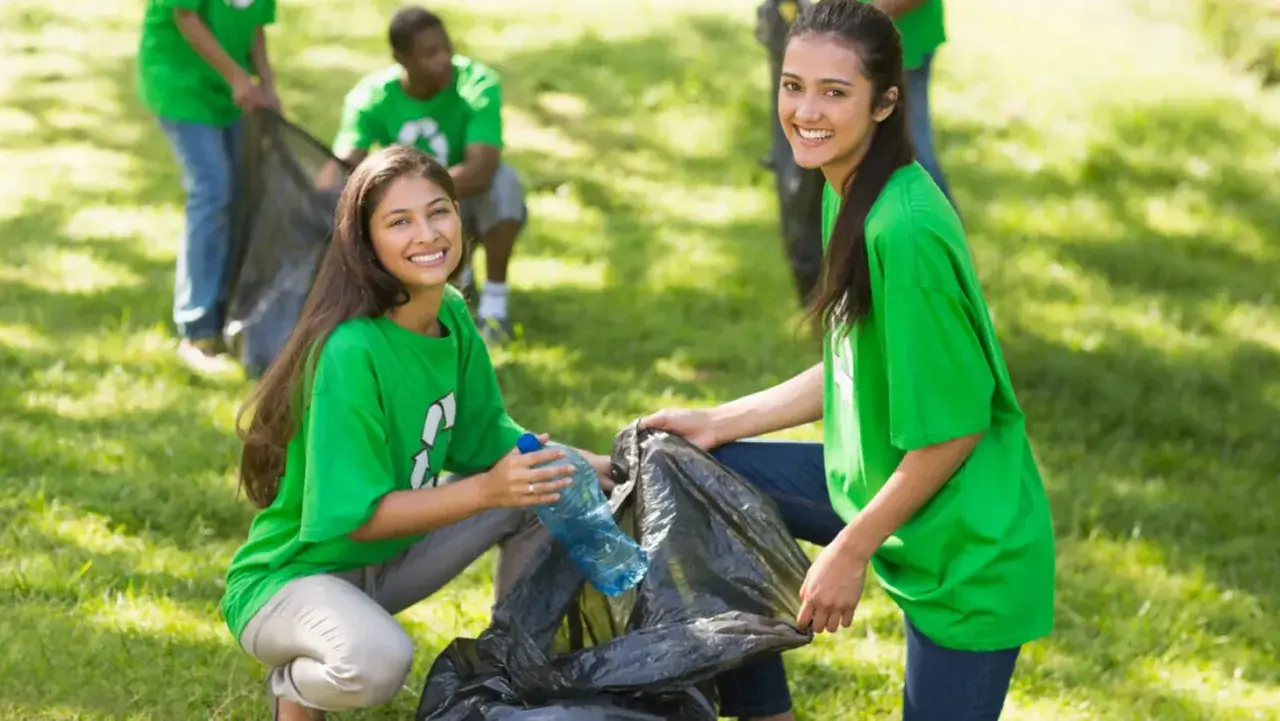
| Park, campus, or trail cleanup | Fast, visible results and a clear before-and-after impact | Students who want a one-day or weekend project | Needs trash bags, gloves, and permission from the site owner |
| Food pantry sorting | Directly supports a local need and can be done in groups | Middle school through college students with adult supervision as needed | Always confirm what items the pantry wants before collecting donations |
| School supply kits or coat drives | Easy for classmates and families to join in | Schools looking for a simple, highly visible campaign | Generic donation drives fail when no one checks the actual shortage list |
| Reading buddies or tutoring | Creates direct human impact and often builds confidence for both sides | Students who can commit to a recurring schedule | Requires consistency, preparation, and sometimes training |
| Senior tech help | Solves a very practical problem and gives students useful communication skills | High school and college students comfortable with phones, email, and apps | Set boundaries and keep the scope simple, such as passwords, video calls, or basic device settings |
| Community garden work | Combines outdoor labor, teamwork, and long-term neighborhood value | Students who can return more than once | Weather, seasonal schedules, and watering needs affect continuity |
| Animal shelter support | Popular with students and useful when shelters need laundry, cleaning, or supply help | Volunteer groups with reliable transportation and adult approval | Not every shelter allows direct animal contact for minors |
| Library support and book repair | Low-cost, local, and often overlooked even though it saves staff time | Students who need a quiet, structured service option | Best when a library staff member defines the exact task list |
I like these ideas because they are not trendy for the sake of being trendy. They are practical. They also scale well: one student can sort books, while a club can turn the same task into a monthly project. That matters more than people think, because the best service projects are the ones a group can actually sustain.
From here, the key question is not just what to do, but who is doing it and how much time they can realistically give.
How to choose the right project for age, time, and budget
Students often choose a project based on excitement alone. I would rather see them choose based on three constraints: age, schedule, and cost. A strong idea can still fail if it needs too much travel, too much money, or too much supervision. The right fit is usually the one that removes friction.
| Student group | Best project styles | Typical time commitment | Budget level | Why it fits |
|---|---|---|---|---|
| Middle school students | Campus cleanups, card-making, simple donation sorting, school beautification | 30 to 90 minutes per session | Low | Short, supervised, and easy to explain |
| High school students | Food drives, tutoring, park cleanups, peer mentoring, holiday kit assembly | 1 to 4 hours per session | Low to moderate | Enough room for leadership without making the project too complex |
| College students | Recurring nonprofit partnerships, service-learning courses, tech help, community organizing | 2 hours to a semester-long commitment | Low to moderate | Students can handle logistics, scheduling, and deeper reflection |
| Clubs and teams | Monthly volunteer shifts, recurring drives, garden maintenance, neighborhood outreach | Ongoing | Moderate | Group structure makes repeat service easier to manage |
If the group has a very limited budget, I usually recommend projects that rely on time and organization rather than materials. Cleanup, sorting, tutoring, and library help are often better starting points than supply-heavy drives. That leads naturally to the part many teams skip: the planning process itself.
How to plan and run the project without losing momentum
Most service projects do not fail because the idea is bad. They fail because nobody owns the details. A project needs a simple structure, even if it is small. I usually break the process into a few steps that students can handle without becoming overwhelmed.
Read Also: Best Youth Volunteer Programs - Find Your Perfect Fit
A simple planning sequence
- Choose one issue and one beneficiary.
- Confirm the need with a local partner before collecting anything or setting dates.
- Set a goal that can be measured, such as hours served, bags collected, meals sorted, or people reached.
- Decide whether the project is a one-time event or a recurring commitment.
- Assign roles for outreach, supplies, scheduling, setup, cleanup, and communication.
- Keep the task list small enough that new volunteers can join without confusion.
- End with a short debrief so students can say what worked and what should change next time.
That last step matters more than it looks. A five-minute reflection can reveal whether the project was practical, respectful, and worth repeating. It also helps students see the difference between effort and impact. A packed schedule is not the same thing as a useful project.
Once the workflow is clear, the next thing to watch is the trap that catches a lot of student groups: doing service that looks good but does not actually help much.
Common mistakes that weaken student volunteer projects
There are a few patterns I see again and again. None of them are dramatic, but each one can quietly drain the value out of a project.
- Starting with a trend instead of a need. A project can look good on social media and still miss the real problem.
- Collecting donations without asking first. Food banks, shelters, and schools often need very specific items, not random extras.
- Making the project too broad. “Help the community” is a slogan, not a plan.
- Depending on one motivated student. If the project collapses the moment one person gets busy, it is too fragile.
- Ignoring access and transportation. If students cannot get there consistently, the project is not realistic.
- Skipping the follow-up. Without reflection or a handoff to the partner, even useful work can feel incomplete.
The easiest fix is to keep the project small enough to manage well. I would rather see a team do one clean, well-run shift each month than try to launch five disconnected efforts in the same semester. Consistency creates trust, and trust is what makes community partners say yes again.
From there, it helps to define impact in a way students can actually track without turning service into paperwork.
How to measure impact without turning service into paperwork
Students do not need a complicated dashboard to understand whether their service mattered. A handful of simple metrics usually tells the story well enough. I tend to look at both output and outcome. Output is what students did. Outcome is what changed because they did it.
| Metric | What it tells you | Why it matters |
|---|---|---|
| Hours volunteered | How much time students gave | Useful for planning and reporting, but not enough on its own |
| Items sorted, packed, or delivered | How much logistical work was completed | Good for drives, pantries, and kit assembly |
| People served | The direct reach of the project | Helps students see the human side of the effort |
| Repeat participation | Whether the project is sustainable | If volunteers return, the format is probably working |
| Partner feedback | Whether the project was actually useful | This is one of the best indicators of real impact |
The best feedback often comes from a simple question: would the partner want this project repeated? If the answer is yes, students have probably done something useful. If the answer is mixed, that is still valuable, because it shows where the project needs adjustment. I think of that as one of the quiet strengths of volunteer work: the learning does not stop when the event ends.
That is why I always suggest one final step for any student group starting out.
Start with one project students can repeat next month
If I had to choose a first project for most student groups, I would pick something simple, local, and repeatable. A park cleanup, a pantry sorting shift, a reading program, a school supply kit drive, a senior tech-help session, or a library support afternoon can all work well if there is a real partner on the other end. The point is not to do the most impressive thing possible. The point is to do something useful enough that students can do it again.
That is the real test for student service. The strongest community service projects for students are not the ones that generate the most hype. They are the ones that solve a clear problem, fit the group’s limits, and leave both the students and the community better prepared for the next round.
