
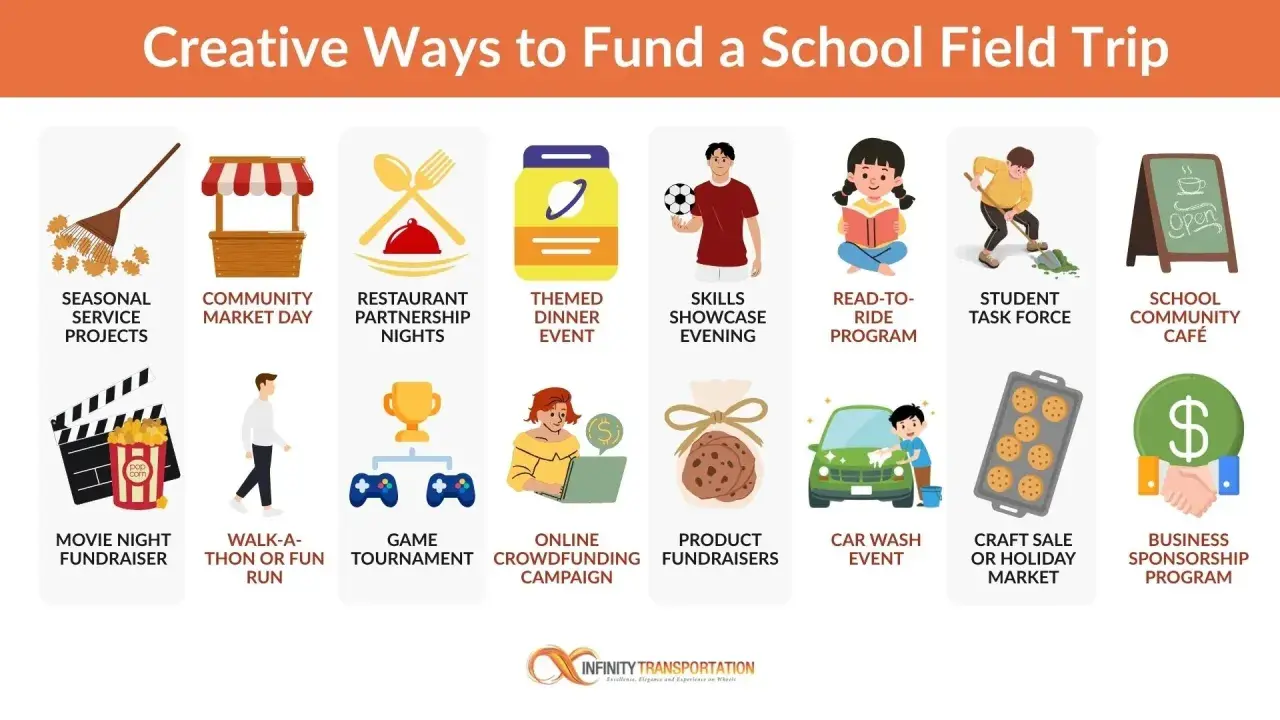
What matters most before you start
- Pick one clear goal, one deadline, and one primary audience.
- Service-based fundraisers usually work better than inventory-heavy sales for a solo student.
- For a fast result, start with people who already know you and trust you.
- Keep startup costs close to zero; cash tied up in supplies is cash you cannot earn back.
- Check school policy, age limits, and any state rules before running ticket sales or collecting payments online.
Start with the student's actual constraints
When I compare solo student fundraisers, I ignore anything that needs a large inventory, paid ads, or constant supervision. A one-person fundraiser lives or dies on three questions: how fast the money is needed, how many people already trust the student, and whether the student can deliver the offer without burning out.
A simple way to choose is to match the fundraiser to the situation rather than chasing the "most creative" idea. If the goal is small and urgent, a service beats a product sale. If the goal is larger and the deadline is flexible, a short online campaign plus a personal ask usually goes further.
| Situation | Best-fit format | Why it fits |
|---|---|---|
| Need less than $200 quickly | Pet sitting, lawn work, babysitting, tutoring | Low setup, direct payment, fast delivery |
| Need $200-$1,000 over 2-4 weeks | Online page plus service offers | More reach, repeated asks, visible progress |
| Have limited time but a strong local network | Car wash, bake sale, yard sale | Neighbors can support in person without much explanation |
| Are comfortable on social media | Peer-to-peer crowdfunding with updates | Shares can spread beyond the immediate circle |
That framing matters because the wrong format creates fake effort. A student who has three free hours on Saturday should not be building an elaborate merchandise shop; that energy is better spent on something the audience can understand in ten seconds. Once the fit is clear, the next question is which ideas actually work with almost no startup money.

Low-cost ideas that can work in a week
For most students, the best first win comes from work that uses time and trust instead of inventory. I usually recommend starting with a service-based idea, because those fundraisers are easier to explain, easier to fulfill, and less likely to leave the student stuck with unsold items.
Service-based ideas
- Dog walking or pet sitting - In many U.S. neighborhoods, students can charge about $10-$20 per walk or short visit. It is a strong choice if the family already knows the student and the schedule is predictable.
- Yard work and cleanup - Leaf raking, weeding, snow shoveling, and basic lawn care often land in the $25-$75 range per small job. This is especially useful when the student can do several homes in one afternoon.
- Babysitting - Rates often run around $15-$25 per hour, depending on age, experience, and local demand. I only suggest this when the student is actually ready for the responsibility and the family trusts them.
- Tutoring - For older students who are strong in math, reading, or a foreign language, $20-$40 per hour is common. This works best when the offer is specific, like "algebra help before tests" rather than "general tutoring."
- Tech help for neighbors - Setting up a printer, organizing photos, cleaning up an email inbox, or showing someone how to use a phone can easily become a $15-$30 task. The key is to stay within your skill level and be clear about what you will not do.
Read Also: Online Fundraising Ideas - Simple Strategies That Work
Simple sales and mini-events
- Car wash - A small weekend car wash usually needs about $20-$60 for soap, towels, buckets, and signs. Charging $10-$20 per car keeps it easy to understand, and one busy day can bring in meaningful money if the location is right.
- Bake sale or snack table - This can work well when ingredients are donated or already on hand, but the profit margin drops fast if the student buys everything retail. I like this option only when school and local health rules allow it and the audience is already nearby.
- Yard sale or closet cleanout - Startup cost is close to zero, which makes it attractive for students who have books, clothes, sports gear, or decor they no longer use. It is not glamorous, but it is honest money and a good way to turn clutter into cash.
- Handmade items - Bracelets, bookmarks, stickers, and custom gift tags can work if the student already has a buyer base. I would not start here unless the production time is short and the materials are cheap, because the hours disappear quickly.
I like these ideas because they are concrete. A supporter can picture the result, the student can quote a price without guessing, and the fundraiser does not collapse if one person says no. If none of these are fast enough, the next step is choosing the model that matches the deadline instead of trying to make one idea do everything.
Which model works best when time is tight
When the deadline is close, format matters more than creativity. A student who needs money in a few days should favor direct service and personal asks; a student with a longer timeline can benefit from a small online campaign or a one-off event. The FTC also warns people to look closely at crowdfunding pages before they trust them, so I only recommend personal pages that clearly explain who is raising the money, why, and how it will be used.
| Model | Upfront cost | Speed | Best use | Biggest risk |
|---|---|---|---|---|
| Service sprint | $0-$20 | 1-7 days | Fast cash from family, neighbors, and trusted adults | Limited scale if the student has a small local network |
| Mini-event | $20-$100 | 1-2 weeks | Saturday events, small school community fundraisers, neighborhood support | Needs planning, supplies, and a decent turnout |
| Personal crowdfunding page | $0-$50 | 2-4 weeks | Travel, school fees, projects, or goals with a clear story | Trust and follow-through matter more than the platform itself |
| Product sale | $30-$150 | 1-4 weeks | Students with buyers already lined up | Inventory can sit unsold and eat the profit |
For a student fundraiser, I would rank the models this way: first service, then mini-event, then personal crowdfunding, then product sales. That order is not about popularity; it is about friction. The lower the friction, the easier it is for someone to say yes. Once the format is chosen, the ask itself has to do the heavy lifting.
How to make people say yes
A good fundraiser is rarely about persuasion tricks. It is about making the ask specific enough that people can act without thinking too hard. I like a simple three-part message: what I need, why it matters, and how someone can help.
For example, instead of saying "I am trying to raise money," I would say something like, "I am raising $350 for my band trip by August 10, and I am offering dog walking and yard cleanup to get there." That version works because it gives a dollar amount, a deadline, and a clear way to help. It also feels honest, which matters more than sounding polished.
- Use one specific goal - A number and a deadline give the fundraiser shape.
- Explain the benefit quickly - People respond faster when they understand what the money unlocks.
- Ask through warm contacts first - Warm network means people who already know the student and are more likely to trust the request.
- Show progress publicly - A simple update like "we are at 40 percent" makes the effort feel real.
- Thank donors promptly - A quick thank-you message increases the chance of repeat support and referrals.
I also tell students not to hide behind a vague post and hope for the best. A direct text to ten people usually outperforms one generic social post because it reaches people who are already inclined to help. The better the ask, the less you need to push. Once that part is working, the main danger shifts from weak messaging to avoidable mistakes.
What I would avoid
Some ideas look easy on paper and become a headache in real life. I am cautious with anything that creates legal questions, needs a lot of inventory, or depends on hope instead of a plan.
- Raffles and 50/50 drawings without approval - The IRS treats gaming-related income differently depending on the setup, and school or state rules can also apply. I would not use a raffle unless a sponsor, parent, or school administrator has already cleared it.
- Buying supplies too early - If you spend $80 before you know whether people will buy, you are donating your own money to the experiment.
- Generic appeals - "Help me out" is too vague. People need a reason, a number, and a next step.
- Collecting cash without a record - A simple spreadsheet or notebook avoids confusion and makes it easier to say thank you accurately.
- Overpromising services - If the student cannot realistically complete the work on time, the fundraiser should not include it.
- Posting once and disappearing - Momentum usually comes from one reminder, one update, and one thank-you, not from a single announcement.
There is also a trust issue with online fundraising that students should not ignore. Crowdfunding pages can help, but they need clear identity, a real purpose, and regular updates; otherwise they look like noise. If the fundraiser depends on strangers, clarity is not optional. Once the risks are controlled, the whole thing becomes much easier to launch.
A simple 72-hour launch plan
If I had to help one student start from zero, I would keep the first three days very small and very specific.
- Choose one idea - Pick the option with the lowest startup cost and the fastest delivery.
- Set a target - Use one number, such as $250 or $500, instead of a vague "whatever I can get."
- Write the offer in one sentence - Example: "I am doing pet sitting and lawn cleanup to raise $300 for my school trip."
- Make a contact list - Start with 20-30 people who already know the student or the family.
- Send the first ask - Text, email, or direct message beats a broad post when time is short.
- Follow up once - A polite reminder after 48 hours is enough; more than that usually feels pushy.
- Track every payment - Record the name, amount, date, and thank-you status so nothing gets lost.
That plan works because it removes decision fatigue. The student is not trying to build a brand; they are trying to finish a fundraiser. If the offer is clear and the list is warm, the money usually follows. The final step is keeping the fundraiser small enough to finish and honest enough that people want to support it.
The small details that turn a one-student fundraiser into real momentum
The best student fundraisers are not flashy; they are specific, low-friction, and easy to trust. I would rather see one student raise $400 with a clear service offer and regular updates than chase a complicated idea that looks impressive and produces nothing.
If you want a practical rule to remember, use this: one goal, one audience, one offer. Add a deadline, keep the startup cost low, and make the impact visible. That combination is usually enough to turn a modest idea into real support, and it is much better than trying to do everything at once.
