
The fastest path is a sponsor ask, a digital drive, and one visible community event
- Start with money that is predictable. Local sponsorships and direct donations usually beat product sales on efficiency.
- Use one event, not a calendar full of them. A car wash, spirit night, or skills clinic can do enough if the outreach is clean.
- Make the goal visible. Donors respond better when they know whether they are funding helmets, travel, or fee relief.
- Watch the rules on raffles and tax language. State gaming rules and IRS deductibility rules matter more than most teams expect.
- Protect goodwill. A fundraiser that feels fair is easier to repeat next season, which matters more than squeezing out one extra dollar.
Why youth football fundraising matters more than it used to
Fundraising matters because football still comes with real costs even when a team is not in a club-sports ecosystem. Project Play’s latest cost data shows the average U.S. sports family spent $1,016 on a child’s primary sport in 2024, and tackle football averaged $581 per player. Those numbers do not include every helmet replacement, travel night, or last-minute equipment fix, which is why good fundraising is not a luxury; it is part of keeping kids in the game.
When I plan for a team, I think less about “How do we raise money?” and more about “How do we lower the barrier to participation without burning out the adults?” That question leads naturally to the fundraising formats that actually deserve time.

The youth football fundraising ideas I would start with
The strongest team fundraisers usually do one of three things: they ask businesses for support, they make donating effortless, or they give the community something fun to attend. I prefer ideas that feel local and visible, because that is where youth sports still have an advantage over generic online campaigns.| Fundraiser | Upfront cost | Volunteer load | Best use | Why I trust it |
|---|---|---|---|---|
| Local sponsor packet | Low | Medium | Teams with nearby businesses | One clear ask can cover a big chunk fast. |
| QR-code donation drive | Very low | Low | Families, alumni, and neighbors | It is simple to launch and easy to share on phones. |
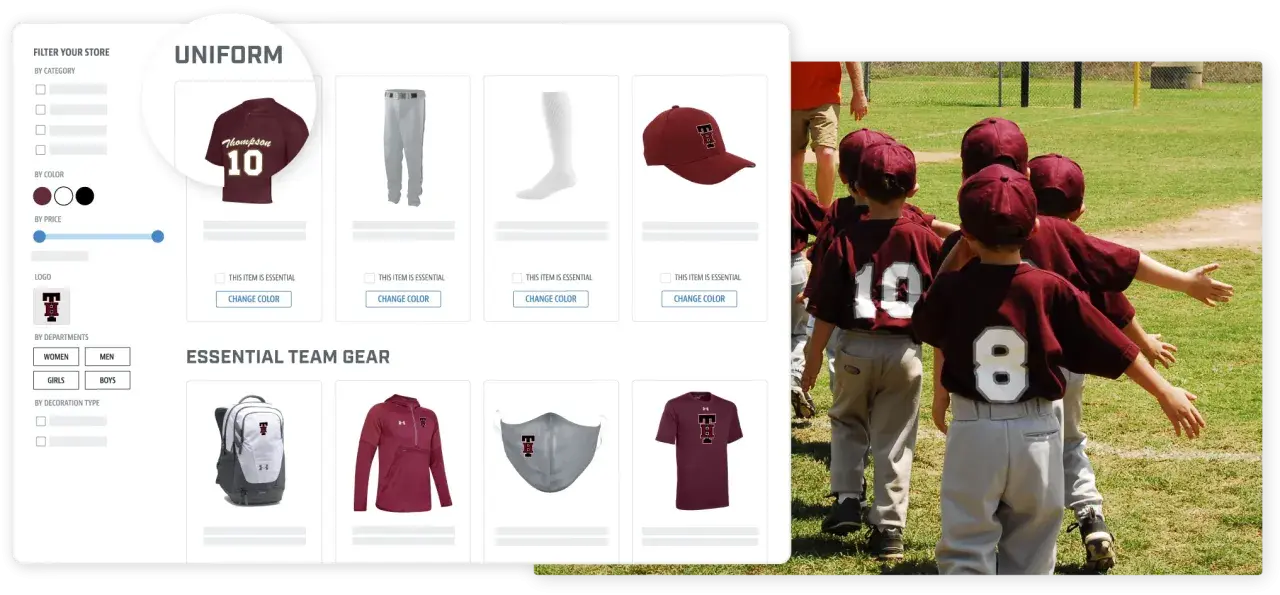
| Spirit wear preorder | Low to medium | Medium | Teams with a strong logo or school identity | People like wearing team gear if the design is clean. |
| Car wash | Low | High | Volunteer-heavy teams with traffic nearby | It is visible, social, and still works when promoted well. |
| Restaurant spirit night | None | Low | Parent communities that already eat locally | It asks supporters to do something they already planned to do. |
| Skills clinic | Low | Medium to high | Older players and younger kids who want instruction | It is football-specific and gives families something useful. |
| Raffle or basket raffle | Low | Medium | Communities comfortable with ticket sales | It can spike revenue if local prizes are strong. |
| Concession stand | Low | Medium | Teams with regular home games | Small purchases add up when attendance is steady. |
| Used gear sale | Very low | Medium | Families with extra equipment | It helps raise money while lowering costs for other players. |
| Punt-a-thon or kick-a-thon | Low | Medium | Football teams that want a sport-specific ask | It turns performance into a sponsor-per-rep campaign. |
If I had to rank them for a typical youth team, I would start with sponsorships, a QR-code donation page, and one event-based fundraiser. Product sales can work, but only when the margin is clean; on apparel, I like at least a 40% net margin after printing, shipping, and payment fees. If the profit disappears into logistics, I would skip the sale and move on.
How I would combine them into a season plan
The strongest teams usually do not rely on a single fundraiser. I prefer a three-channel plan because it spreads risk: a sponsor packet for larger gifts, a simple digital drive for broad support, and one event that gives the community a reason to show up. That mix reaches three different audiences without making every dollar depend on the same parent list.
| Channel | Example target | What it gives you |
|---|---|---|
| Sponsor packet | 8 businesses at $250 each | About $2,000 in relatively predictable money |
| Online drive | 100 donors at $20 each | Another $2,000 with almost no handling cost |
| One event | Car wash, clinic, or spirit night | Roughly $500 to $1,500 net if turnout is solid |
That is the kind of math that feels realistic to me. If the team is small, I would push sponsor tiers higher instead of adding more low-margin sales. A simple packet can be as plain as $100 community supporter, $250 banner sponsor, $500 game-day sponsor, and $1,000 season partner. Those levels give local businesses a clear entry point without forcing a yes-or-no decision too early.
Fundraisers that build support instead of fatigue
Some ideas collect money; others collect goodwill. I prefer the second type when it is done well, because goodwill makes the next ask easier. The trick is to keep the experience easy for families and visible enough that the community feels included rather than tapped out.
Low-friction options
- Local business sponsorships with a one-page packet and three clear tiers.
- Online donation pages with a single goal, such as helmets, travel help, or fee relief.
- Restaurant nights or coffee-shop percentage nights, because the parent effort is low.
- Spirit wear preorders, as long as sizing, delivery, and fulfillment are simple.
Read Also: Holiday Fundraising - Maximize Year-End Donations
Event-driven options
- Car washes in a visible location with QR-code payment for people who do not carry cash.
- Kids football clinics run by coaches or older players who can teach basics safely.
- Punt-a-thons or kick-a-thons where each rep triggers a pledge from a sponsor.
- Concession stands on home-game days, especially when crowds are already coming through.
I avoid any fundraiser that takes a week of volunteer time to net a few hundred dollars unless it also builds sponsor relationships. The best community fundraisers feel like a fair exchange, not a guilt trip.
The U.S. rules and practical guardrails that matter
According to IRS rules, donors can generally deduct gifts only when they go to a qualified organization, and the deduction usually has to be reduced by the fair market value of anything they receive back. That is why raffle tickets, dinner perks, and similar return benefits should not be described as fully deductible. If your team is not operating through a qualified nonprofit or booster organization, I would not market payments as a tax write-off.
- Check your state raffle or gaming rules before selling tickets.
- Use a separate account for team money and keep receipts.
- Track cash, card, and mobile payments in one spreadsheet.
- Publish a short budget so donors know what the money will fund.
- Thank business sponsors quickly and publicly.
Once those basics are in place, the last question is not legal. It is trust.
The part most teams forget after the fundraiser ends
The teams that fundraise well do the boring follow-through. I would send a thank-you within a week, show exactly what was purchased, and set aside a small share of net proceeds for emergency gear or fee assistance. If donors see helmets replaced, travel supported, or a scholarship fund quietly helping a kid stay on the roster, the next ask becomes much easier to make.
- Post one simple receipt of impact, such as new mouthguards, practice cones, or travel help.
- Keep a 10% to 20% reserve for the next unexpected cost.
- Tell families what happened to every dollar in plain language.
- Wait until the team has a real new need before launching another drive.
That is the part I care about most: not just collecting money, but making sure the team turns fundraising into access, continuity, and a better season for the kids who need it.
