
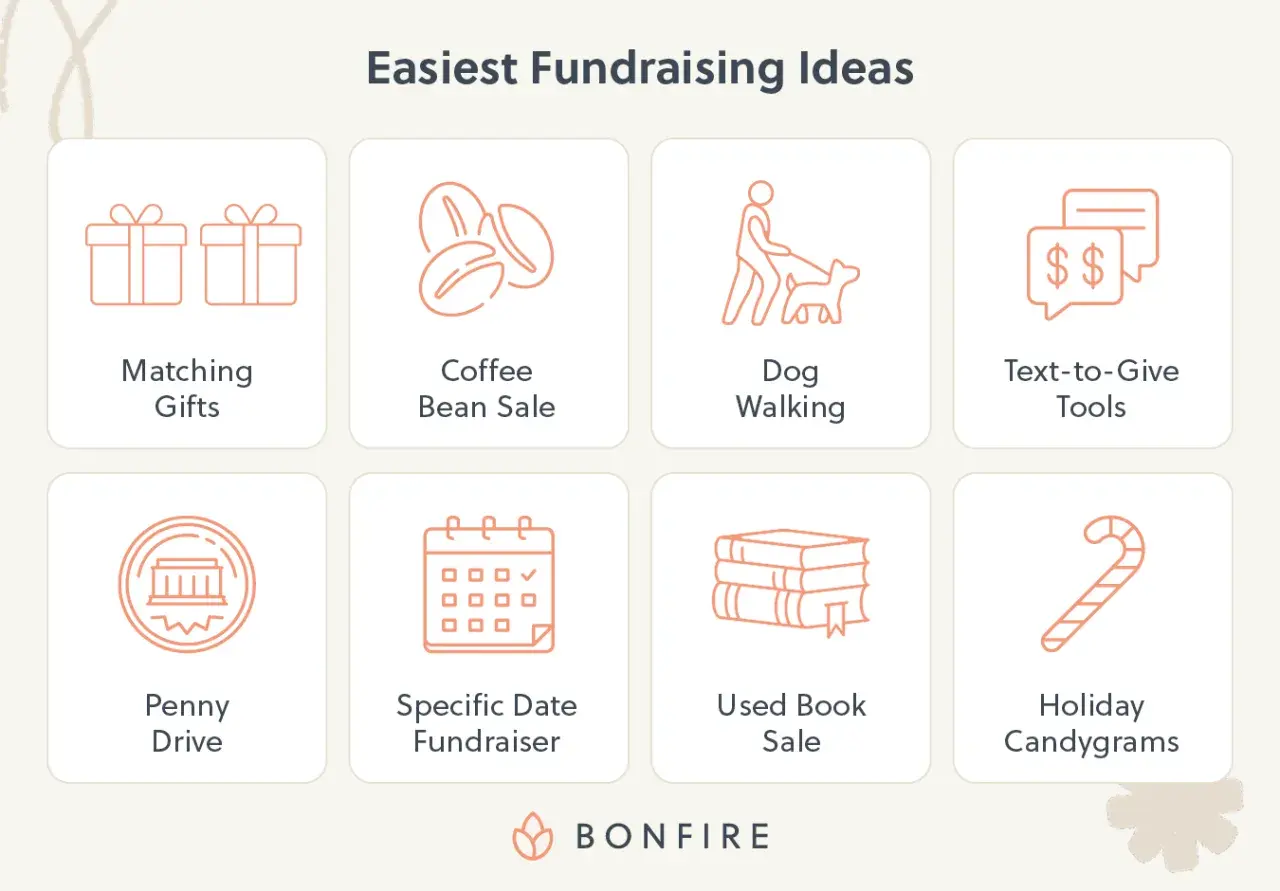
The fastest wins come from clarity, trust, and one easy way to give
- The strongest personal fundraisers are usually low-cost, easy to understand, and quick to launch.
- A donation page, birthday ask, yard sale, car wash, or small service offer can all work if the goal is clear.
- Direct messages and follow-up updates usually bring in more support than a single broad post.
- Photos, a realistic deadline, and a short explanation of where the money goes build trust fast.
- Raffles and other regulated ideas are not the simplest starting point because local rules vary.
What people really want from a small fundraiser
When someone looks for a personal fundraiser, they usually do not want a clever campaign theme. They want something low-stress, believable, and fast to act on. That is why the best simple fundraisers usually answer three questions right away: what the money is for, how much is needed, and what happens next.In practice, the best ideas share the same traits. They cost little to start, they do not require a team, and they can be explained in one short message. They also work best when the audience already has some connection to you, whether that is family, friends, neighbors, coworkers, or a local community group.
I usually see people overcomplicate the first step. A fundraiser does not need to be impressive; it needs to feel easy to support. Once that is clear, the next choice becomes much simpler: which format fits your time, your energy, and the people you can reach.

The easiest ideas that work in real life
The most useful fundraiser ideas for an individual are the ones that create low friction for supporters and low overhead for you. Here is the short list I would start with.| Idea | Typical starting cost | Best for | Why it works |
|---|---|---|---|
| Online donation page | $0 to $25 | Fast, flexible fundraising with a broad network | Easy to share, easy to update, and simple for donors to use on mobile |
| Birthday or milestone fundraiser | $0 | People who already know you and want to celebrate with you | It turns a natural event into a clear giving moment without extra logistics |
| Yard sale or porch sale | $0 to $30 | Anyone with unused items at home | You convert clutter into cash quickly, and buyers see immediate value |
| Bake sale or dessert box | $25 to $100 | Local circles such as neighbors, coworkers, or church groups | Small purchases feel easy, and the event is familiar enough that people do not need much convincing |
| Car wash | $15 to $60 | People with a few helpers and a visible location | It is simple, social, and easy to understand at a glance |
| Skill-based mini-service | $0 | Anyone who can tutor, mow lawns, pet-sit, run errands, or do light admin work | No inventory is needed, and people are often happy to pay for a useful task |
I would also treat raffles carefully. They can raise money, but they are not always simple because rules vary by state and city. For a first fundraiser, I usually prefer an idea that is easy to explain and does not create compliance headaches.
Once you see the options side by side, the real question becomes fit, not creativity.
How to choose the right idea for your situation
The best choice depends less on the cause and more on the practical limits around it. I usually sort it like this: if you need money quickly, keep the format digital; if you have items already, sell them; if you can offer time or labor, build the fundraiser around that; and if you have a local audience, use something visible and familiar.
| Your situation | Best fit | Reason |
|---|---|---|
| You need to launch this week | Donation page with direct sharing | It takes the least setup and reaches people immediately |
| You have items to clear out | Yard sale or porch sale | You already own the inventory, so your risk stays low |
| You have a local network | Bake sale or car wash | People can support you in person without a long explanation |
| You do not want upfront expenses | Skill-based mini-service | Time is the main input, not materials |
| You have a birthday, anniversary, or graduation coming up | Milestone fundraiser | The date gives you a natural reason to ask |
If your goal is under a few hundred dollars, a simple setup is usually enough. If it is in the $1,000 to $3,000 range, I would pair an online page with one offline effort, because one channel rarely does all the work. If your audience is spread across cities or states, digital sharing becomes much more important than selling something locally.
I rarely recommend starting with more than one main idea. One clear format is easier to explain, easier to repeat, and easier for other people to share.
A simple 72-hour launch plan
Most fundraisers do not fail because the idea is bad. They fail because the setup is vague or the launch is too quiet. This is the sequence I would use if I wanted momentum fast.
- Write the core ask. State what you are raising for, how much you need, and what the money will cover. Keep it concrete.
- Add one honest photo and a short story. GoFundMe's own help center recommends at least 100 words, and that is a useful minimum because it gives people enough context without burying them in detail.
- Ask your closest people first. Send the link by text or email to friends and family who are most likely to respond early. Early support creates momentum.
- Share it in more than one place. Post once on social media, but also send personal messages. A direct ask is often stronger than a general post.
- Update quickly. Post a short update within the first week, then again when you hit major milestones.
I also like to make the first donation myself if that is possible, even if it is a small amount. It signals commitment and helps the page feel active instead of unfinished. That small move can make the rest of the ask feel more real.
With the fundraiser launched, the next challenge is not setup. It is how you ask without making people uncomfortable.
How to ask for support without sounding pushy
The cleanest asks are direct, brief, and personal. I would not try to sound polished. I would try to sound clear. People usually respond better when they understand the purpose, the amount, and the deadline without having to decode your message.
A simple message can follow this structure: what you need, why you need it, how much you are trying to raise, and how they can help. For example: “I’m raising $800 to cover moving expenses after an unexpected job change. If you can chip in or share the link, I would appreciate it.” That is enough. You do not need a long backstory in every message.
In my experience, direct outreach beats passive posting. A thoughtful text to 20 people often brings more useful support than one broad post to a much larger audience. The reason is simple: personal messages feel specific, and specific messages feel easier to answer.
It also helps to give people a second way to participate. Some will donate, some will share, and some will not be able to give at all. If you make sharing and encouraging part of the ask, you give more people a way to say yes.
Those asks work best when the fundraiser itself looks trustworthy, which is where a lot of people make avoidable mistakes.
Mistakes that quietly weaken a small fundraiser
The biggest mistakes are usually small, but they add up. Here are the ones I see most often.
- The goal is vague. “Need help” is weaker than “raising $650 for car repairs so I can keep commuting to work.”
- The page has no face. A clear, real photo builds more trust than a logo or a generic image.
- The fundraiser tries to do too much. One main idea is easier to follow than three half-finished ones.
- The ask stops after one post. Most people need reminders, especially if they meant to donate later.
- The fundraiser feels financially unrealistic. If the target is far beyond your audience’s capacity, break it into smaller milestones.
- Regulated ideas are used too early. Anything involving food sales, raffles, or public events may bring local rules into play, so I would check before committing.
The biggest one, though, is trust. People donate when the need feels real and the process feels easy. If either of those pieces is missing, even a good cause can stall.
That is why the best version of a simple fundraiser is rarely the flashiest one. It is the one that feels honest, easy to understand, and worth responding to in under a minute.
The small upgrades that make people say yes
If I had to choose only three upgrades, I would choose a better story, a clearer ask, and a faster follow-up. Those three things usually do more than switching from one fundraiser type to another.
A strong story does not mean dramatic language. It means enough detail for someone to understand what is happening and why the support matters. A clear ask gives people a number or a task, so they are not guessing. A fast follow-up reminds them that the fundraiser is still active and that their help still matters.
From there, the rest is mostly consistency. Keep the page updated, thank people quickly, and make it easy for supporters to share the message. That combination does not just raise money; it makes the effort feel respectful to the people helping you.In the end, the simplest fundraisers work because they lower friction on both sides. You do less, supporters understand more, and the money has a better chance of arriving when it is needed most.
