
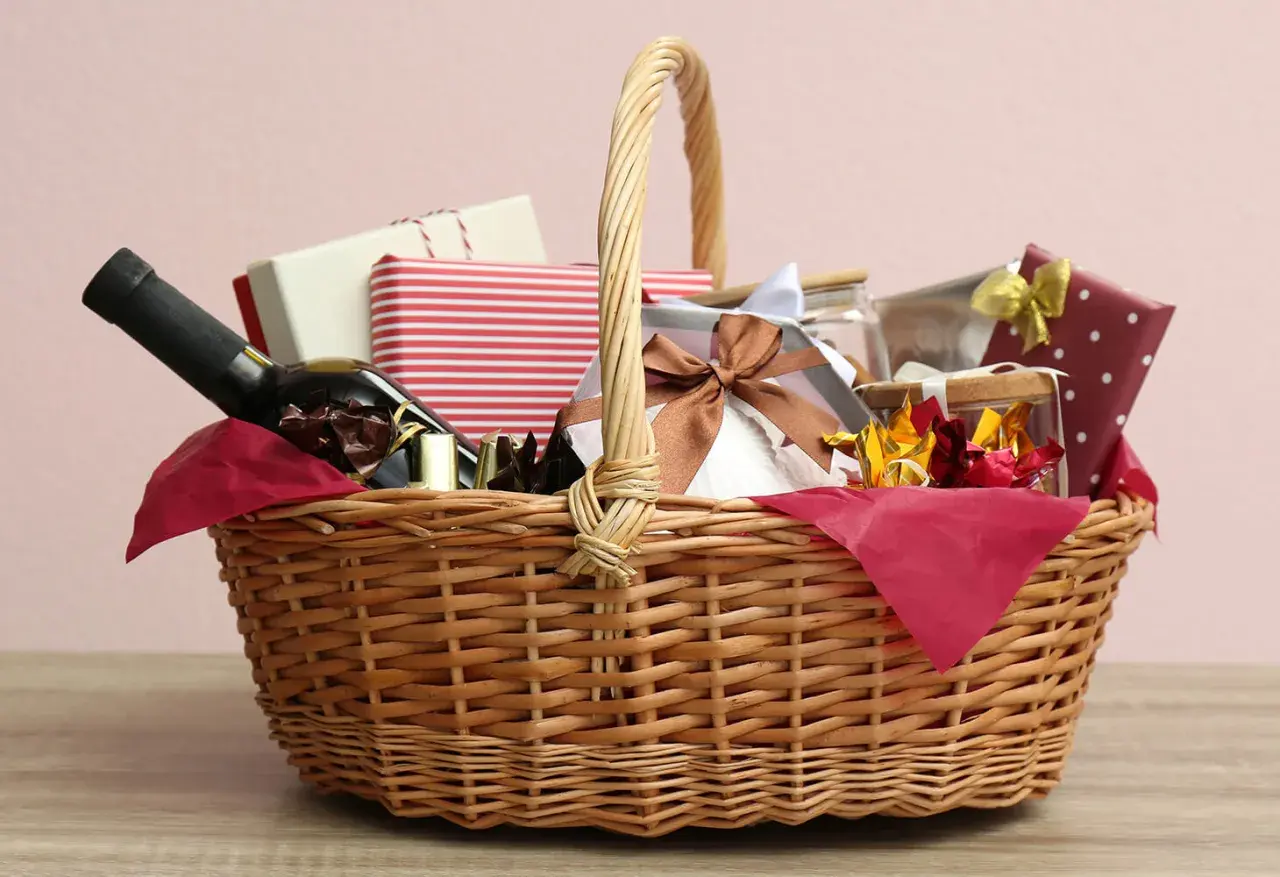
Cheap raffle prizes work best when they feel useful, local, and easy to win
- Most strong budget prizes sit in the $5-$25 range, with a few anchor items closer to $25-$40.
- Gift cards, themed baskets, and donated local experiences usually beat random novelty items.
- A well-built bundle can raise perceived value faster than buying one bigger item.
- In US community events, coffee, grocery, restaurant, car wash, and bakery prizes tend to travel well across audiences.
- The right mix depends on who is buying tickets: parents, office teams, students, retirees, and volunteers all respond differently.

What makes a budget prize feel worth winning
I keep coming back to the same rule: the prize has to feel useful before it feels cheap. That is why a $15 gift card often outperforms a $15 gadget nobody asked for. People are not buying a raffle ticket because the item was expensive to source; they are buying because the prize looks easy to use, easy to imagine, and easy to justify on impulse.
There are three pieces that usually matter most. First is perceived value, which is simply how valuable the prize feels to the buyer, not what you paid. Second is fit: a prize should match the event crowd instead of trying to impress everyone. Third is presentation. A single item in a plain bag looks like a leftover purchase, while the same item in a small themed bundle feels intentional.
| What people notice | What works better | What usually falls flat |
|---|---|---|
| Usefulness | Gift cards, coffee, groceries, car wash vouchers, self-care items | Decorative objects with no clear use |
| Presentation | Bundled items, ribbon, a simple sign, a named theme | Loose items with no story |
| Audience match | Prizes tailored to families, adults, students, or staff | One niche hobby item for a mixed crowd |
| Value balance | A prize that feels worth 2-5 times the ticket price | Something that feels too small to matter |
Once that balance is clear, the actual prize list gets much easier to build, because the best options tend to cluster into a few reliable categories.
Low-cost prizes that consistently draw interest
When I look at budget-friendly raffles that actually move tickets, the winners are rarely exotic. They are practical, familiar, and easy to picture in use the same week the drawing happens. If you want a safe starting point, build around items people already buy for themselves.
- Gift cards for coffee, groceries, pizza, or gas - usually $10-$25. These are boring in the best way: flexible, universally useful, and quick to redeem.
- Movie-night kit - usually $12-$20. Add popcorn, candy, a soft drink, and maybe a blanket or reusable tray.
- Coffee-at-home bundle - usually $10-$18. A bag of beans, a mug, and a small treat is enough to feel complete.
- Self-care basket - usually $12-$25. Lotion, bath salts, a candle, and face masks work well for mixed adult audiences.
- Board game or puzzle - usually $15-$25. This is a strong choice for families and groups that like screen-free downtime.
- Plant or succulent - usually $8-$20. Low maintenance, visually appealing, and easy to display on a raffle table.
- Car care caddy - usually $10-$20. Think microfiber cloths, an air freshener, tire gauge, and cleaning wipes.
- Bakery treat box - usually $10-$20 if you partner with a local bakery or buy a small assortment of cookies and cupcakes.
- Kitchen helper pack - usually $10-$20. Dish towels, a spatula set, seasoning blends, or reusable storage items make sense for practical buyers.
- Pet lover bundle - usually $10-$18. Treats, a toy, a lint roller, and a bandana are enough to make pet owners stop and look.
- Local service voucher - often donated, so the cash cost is low. A car wash, salon service, museum pass, or lunch voucher can feel more valuable than a store-bought trinket.
- Office or desk refresh kit - usually $10-$15. Notebooks, pens, a tumbler, and a phone stand are small but genuinely useful.
If I had to pick only three categories for a mixed US audience, I would start with gift cards, one family-friendly bundle, and one practical adult bundle. That combination covers the broadest range of ticket buyers without inflating the budget.
Bundles that look better than their price tag
The smartest low-cost raffles are usually built around themes, not single objects. A theme gives the prize a reason to exist, which makes it feel more complete and more intentional. It also helps when you are sourcing from donations, because three or four modest items together can look surprisingly polished.
| Bundle idea | What to include | Typical spend | Why it works |
|---|---|---|---|
| Movie night | Popcorn, candy, soda, blanket, streaming gift card | $15-$30 | Instantly understandable and easy for families or couples to use |
| Coffeehouse at home | Coffee beans, mug, biscotti, syrup, spoon | $12-$25 | Feels thoughtful without needing a large budget |
| Rainy-day family kit | Board game, puzzle, crayons, snacks, craft item | $15-$30 | Useful across ages, especially for school events |
| Self-care reset | Candle, lotion, bath soak, face mask, tea | $15-$30 | Looks elevated even when each component is affordable |
| Car care caddy | Microfiber cloths, cleaner, wipes, air freshener, brush | $10-$20 | Practical prizes often outperform novelty items in adult raffles |
| Pizza and game night | Pizza gift card, card game, soda, dessert snack | $20-$35 | Feels like an outing, even though the spend stays controlled |
The important part is not how many items you cram into the basket. It is whether the bundle tells a clear story. A prize with a story is easier to advertise, easier to photograph, and easier for a bidder to want on the spot.
Match the prize to the crowd and event type
A prize that works at a church fundraiser may not work at a staff appreciation raffle, and a student crowd will react differently from a room full of retirees. I would rather build fewer prizes that fit the audience than fill a table with generic items nobody remembers. That is especially true for community events, where the strongest prizes often reflect local habits and shared routines.
| Audience | Better low-cost picks | Why they work |
|---|---|---|
| Families | Board games, family movie kits, pizza night bundles, craft sets | Shared use matters more than luxury |
| Adults | Self-care baskets, coffee bundles, restaurant cards, car wash vouchers | Practical items win when time is tight |
| School communities | Teacher supply packs, bookstore cards, spirit wear, snack bundles | Supporters like prizes that feel connected to school life |
| Office or workplace events | Desk kits, lunch vouchers, premium snacks, insulated tumblers | People value items they can use at work the next day |
| Neighborhood or civic events | Local bakery vouchers, plant bundles, small garden kits, community experience passes | Local relevance makes the prize feel personal |
For a mixed crowd, I would usually lean toward universal items first, then add one or two audience-specific prizes to sharpen interest. That keeps the table broad without becoming bland, which is the real balancing act in raffle planning.
How to stretch a small budget without making the table look cheap
Cheap does not need to look cheap. The difference is usually not money; it is editing. A table feels strong when every prize has a reason to exist, a clear label, and enough visual polish that people can instantly imagine owning it.
- Build around one or two anchor prizes, then fill the rest with smaller, easy wins.
- Ask local businesses for in-kind donations before you spend cash on retail items.
- Use bundles to turn several modest items into one more compelling prize.
- Keep the packaging consistent so the table feels curated instead of improvised.
- Avoid sizing issues unless the prize is flexible, because apparel that does not fit loses value fast.
- Put clear labels on every item, including what is included and who the prize suits best.
One small trick matters more than people expect: pair the item with a quick benefit line. "Movie night for four" or "coffee for the week" tells the buyer what life looks like after the win. That tiny bit of framing often does more work than spending another $10.
When a small budget needs to do the heavy lifting
If I had to fill a raffle table fast with very little cash, I would start with three universal prizes: a coffee or grocery card, a family-friendly bundle, and one practical adult item like a car care or self-care kit. Then I would ask two or three local partners for donated vouchers, because donated prizes often create the strongest return on a tight budget. In the US, that can be as simple as a bakery, a gym, a museum, or a neighborhood restaurant saying yes to a small voucher or experience.
The last thing I would do is overcomplicate the table. Keep the prizes recognizable, keep the value clear, and keep the mix broad enough that at least one item feels right to almost every bidder. If the event is tied to a nonprofit or school, I would also check state and local raffle rules before selling tickets, since requirements can vary by location.
