
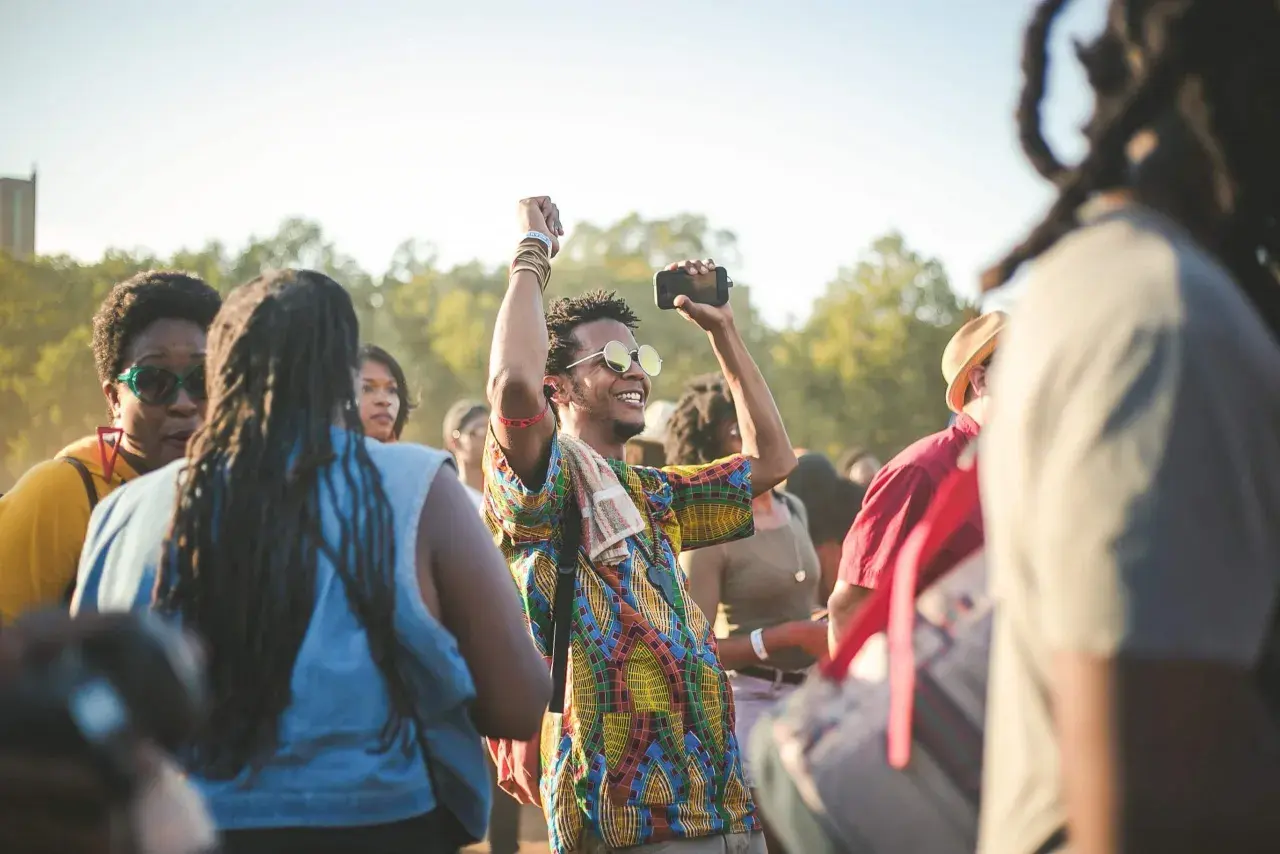
A dance-a-thon fundraiser works best when people understand both halves of the idea: the event is fun, but the real product is sustained giving. Participants dance, donors pledge, sponsors amplify the total, and the organization turns attention into measurable support for a cause. In this article I cover how the format actually works, how to plan it, where auctions fit, and what separates a polished fundraiser from a noisy one.
You need a clear cause, a tight plan, and a realistic budget
- Most successful events are built as peer-to-peer fundraisers, not just live entertainment.
- Many campaigns run for months and finish with a main event that lasts anywhere from 6 to 24 hours.
- The strongest revenue mix usually includes participant pages, sponsorships, matching gifts, and a curated auction.
- Net proceeds matter more than the gross total once venue, food, and production costs are counted.
- Safety, pacing, and storytelling matter as much as music and decorations.
What a dance marathon fundraiser is really doing
I usually describe this format as a movement with a live finale. The dancing is visible and memorable, but the fundraising engine is the network behind each participant: friends, family, coworkers, alumni, and local supporters who give because they feel part of something concrete.
That is why this model works so well for schools, universities, and community nonprofits in the United States. It creates public momentum. People can see progress, hear the stories behind the cause, and watch the total rise in real time. The event day matters, but the campaign leading up to it matters just as much.
| Format | Best for | Typical length | Main risk |
|---|---|---|---|
| Campus dance marathon | Large student groups and repeat annual campaigns | 12 to 24 hours | Too much energy, not enough structure |
| Community dance night | Smaller nonprofits and local coalitions | 4 to 8 hours | Lower revenue if sponsor support is thin |
| Auction hybrid fundraiser | Groups with donor lists and premium local partners | 3 to 6 hours plus online bidding | Auction lots can crowd out the mission if they are poorly chosen |
In the U.S., many programs run the campaign year-round and finish with one concentrated event. That structure is useful because it gives participants time to build their donor base before the room gets loud. Once that basic model is clear, the next step is making sure the plan is realistic enough to deliver revenue instead of just enthusiasm.

How to plan one that raises real money
If I were building one from scratch, I would start with three decisions: who the money supports, how much we need to raise, and what level of event the team can actually execute. Those choices determine venue size, staffing, safety needs, and how aggressive the fundraising ask can be.
For a small local event, I would allow 8 to 12 weeks of prep. For a campus or multi-school effort, 4 to 6 months is safer because sponsor outreach, participant recruitment, and auction item collection all take longer than people expect.
- Choose one beneficiary and one primary goal. A vague cause weakens the ask. Specificity makes the donation feel useful.
- Set the event length to match your audience. A 6-hour evening event can work better than a 24-hour program that burns out volunteers.
- Build a small leadership team early. You need someone managing sponsorships, someone handling logistics, someone owning communications, and someone tracking money.
- Lock down the venue, permissions, and insurance. Public spaces often require permits, noise limits, liability coverage, and clear setup rules.
- Create the fundraising assets before promotion starts. That means participant pages, sponsor deck, donation links, and auction forms.
- Write the run of show like a real production. Every hour should have a purpose, not just music and filler.
I also like to build a contingency plan into the schedule. If the speaker cancels, the sound fails, or the weather changes, the event should still have a way to keep moving. That kind of discipline is what turns a one-off idea into a reliable fundraising machine, which brings us to the question of where the money should actually come from.
Where the money should come from
A strong fundraiser spreads revenue across several channels so that one weak spot does not sink the whole event. In practice, that usually means participant asks, sponsorships, a small registration fee, matching gifts, and an auction or raffle layer that gives attendees a second way to give.
| Revenue stream | Why it works | Practical note |
|---|---|---|
| Participant fundraising pages | Scales with each dancer’s personal network | Give each participant a simple goal and a shareable story |
| Corporate sponsorships | Brings in cash before event day | Sell visibility, mission alignment, and community goodwill |
| Matching gifts | Can double a donor’s impact with no extra ask | Remind donors to check employer portals before and after checkout |
| Registration or entry fees | Creates commitment from participants | Keep the fee modest so it does not block participation |
| Silent auction items | Works well for on-site guests and larger donor bases | Curate a small set of strong lots instead of a crowded table of filler |
| Day-of donation challenges | Creates urgency and momentum | Use power hours, match windows, or a sponsor-matched countdown |
For auctions, I prefer quality over volume. A tight selection of 15 to 30 strong items usually outperforms a pile of random donations that nobody really wants. Experiences tend to do especially well: restaurant packages, local sports tickets, family photo sessions, parking perks, teacher or principal experiences, and behind-the-scenes visits that feel exclusive.
One caution matters here: raffle rules and gaming regulations vary by state, so do not assume a raffle is automatically allowed just because the event is charitable. If you are unsure, keep the auction simple or verify the local rules before printing anything. Once the revenue mix is clear, the challenge becomes keeping people engaged long enough to convert attention into donations.
How to keep participants engaged for the whole event
I think of a long fundraising event as a relay, not an endurance test. Nobody should be expected to dance continuously, and the schedule should make space for breaks, seated participation, and quieter moments that still feel intentional.What usually fails is a flat schedule. Music alone cannot carry six or twelve hours. People need rhythm changes, emotional moments, and clear fundraising pushes that give the room a reason to react.
| Event block | What happens | Why it matters |
|---|---|---|
| Opening hour | Check-in, rules, sponsor thanks, cause framing | Sets the tone and explains why the event exists |
| Mid-event block | Games, short performances, donor shout-outs | Prevents the room from losing energy in the middle |
| Meal or rest window | Seated activities, story sharing, recharge time | Keeps participants safe and inclusive |
| Evening surge | Power hour, matching gift push, auction close | Usually the best window for urgency and bigger gifts |
| Final hour | Countdown, total reveal, thank-yous | Turns the event into a memorable finish and encourages repeat support |
Safety is part of engagement. I would plan water breaks every 45 to 60 minutes, a quiet recovery space, basic first aid access, and food that is more than candy and chips. Carbs help, but so does protein, and a few simple options for dietary restrictions make the event feel more thoughtful. If you have participants who cannot stand for long periods, give them visible roles in the fundraising effort so they can contribute without being sidelined.
That structure also makes sponsorships and auction items more effective, because they can be placed into the schedule instead of floating around as distractions. The next section shows how to use those tools without letting them take over the cause.
How sponsors and auction items work together
Sponsors should underwrite the event, while auction items should convert attention into extra revenue. When those two pieces are designed together, the fundraiser feels coherent instead of crowded.
For a local event, sponsor asks often start around $250 to $500 for community businesses and rise into the $2,500 to $10,000 range for headline partners, depending on audience size and visibility. In a smaller town, $250 can be meaningful. On a campus with thousands of attendees, the same placement may need a much bigger ask to feel appropriate.
| Sponsor tier | Typical ask | Good fit | What to offer |
|---|---|---|---|
| Community partner | $250 to $500 | Local restaurants, service businesses, family-owned shops | Logo on event page, shout-out, thank-you signage |
| Supporting sponsor | $750 to $1,500 | Regional companies, larger local employers | Banner placement, social posts, mention during the program |
| Lead sponsor | $2,500 to $5,000 | Established brands and anchor community partners | Naming rights to a challenge, meal block, or auction section |
| Presenting sponsor | $5,000 and up | Major local employers or mission-aligned companies | Top billing, speaking moment, premium visibility, booth space |
- Bundle low-value donated goods into one stronger package.
- Write auction descriptions with specifics, not generic praise.
- Set clear bidding windows so the room knows when urgency matters.
- Use sponsors to cover event costs, then let the auction become incremental upside.
When sponsors and auction donors are working in the same direction, the event feels professional instead of improvised. That leads directly to the mistakes that quietly shrink the total, even when the crowd seems energized.
Common mistakes that quietly shrink the total
The biggest mistake I see is building the whole event around entertainment and leaving the ask vague. People may enjoy the night and still leave without donating if they never understand what one gift actually does.
Another common problem is overpromising on scale. Teams often plan a huge event before they have a donor list, volunteer bench, or budget that can support it. A smaller event with a disciplined ask usually outperforms a larger event that is constantly improvising.
- Weak mission framing means donors enjoy the event but do not feel a reason to give.
- Too many objectives confuse participants, especially when the event is supposed to be fun and focused.
- Poor cost control eats the net total fast, especially with AV, food, insurance, and printing.
- Limited accessibility planning leaves some supporters unable to participate fully.
- Low-quality auction lots waste volunteer time and distract from stronger fundraising channels.
- Slow follow-up causes donor interest to fade before the next ask arrives.
If there is one rule I would not bend, it is this: send thanks fast. A donor who hears back within 24 to 48 hours is much easier to keep than a donor who has to wonder whether their gift mattered. That follow-up habit is part of what turns a single event into a repeatable tradition, which is the real goal for any community fundraiser.
What turns one event into a repeatable community tradition
If I were evaluating one of these events after the lights go down, I would not start with the loudest moment. I would start with the numbers that predict whether next year will be easier: gross donations, net proceeds, average participant raise, donor retention, sponsor renewal, and how many first-time donors came back after the event.
The most useful events create a pattern people remember. They give participants a clear role, they give donors a visible outcome, and they give sponsors a reason to stay involved. That is why a well-run dance-a-thon is more than a party with a donation link attached; it is a repeatable civic ritual that converts community energy into support people can actually feel.
When the mission stays specific, the auction is curated with intent, and the schedule respects both energy and safety, the event stops being a one-night stunt and becomes a durable fundraising tool. That is the standard I would aim for every time.
