
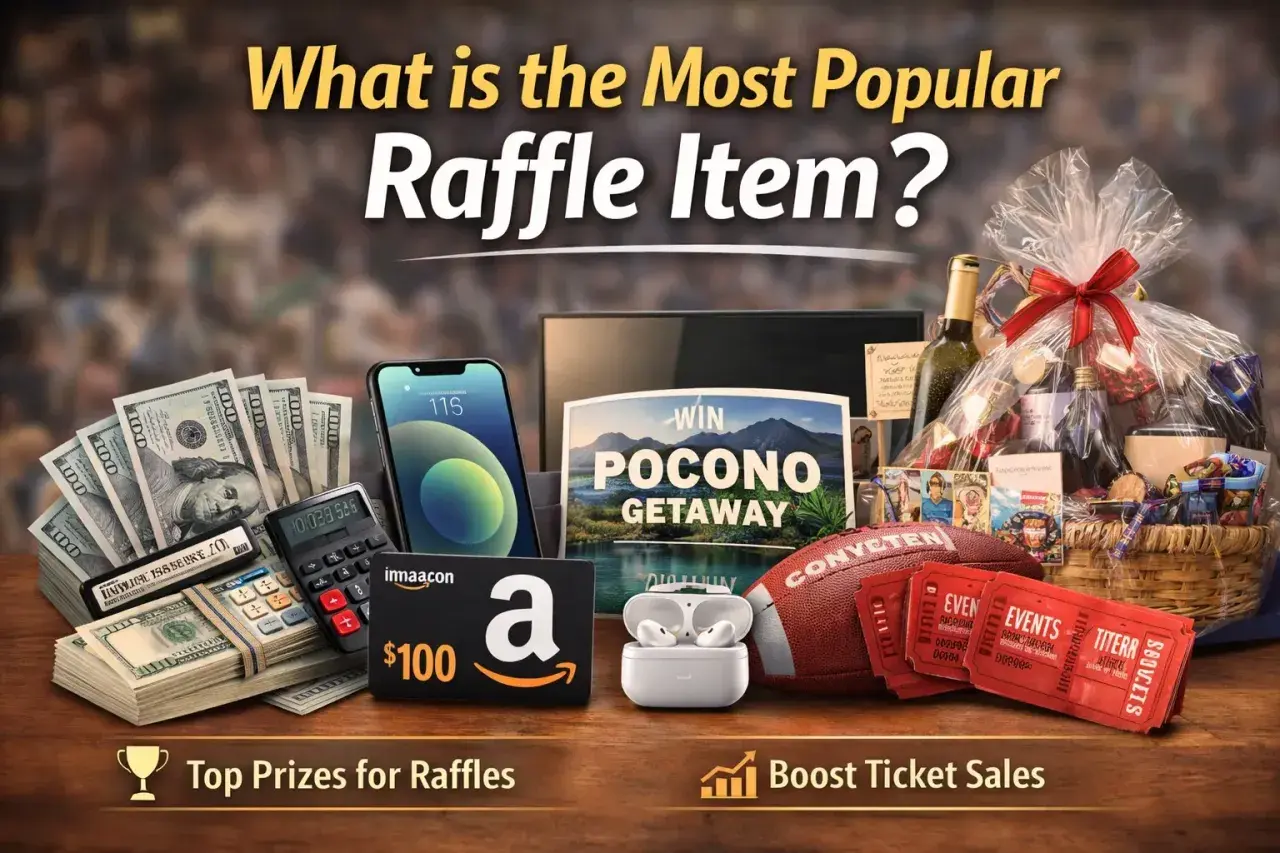
The right mix of raffle prizes can do more than fill a table. It can turn a community event into something people talk about, because the promise of a useful, memorable, or genuinely fun win changes how tickets feel. I focus on the items people can imagine using the same week, and that usually tells me more than the price tag does.
What matters most when choosing a prize lineup
- Pick rewards that match the audience, not just the organizer’s personal taste.
- Build around one headline item, then add a few easier wins so the draw feels balanced.
- Experiences, gift cards, and donated services often work better than random merchandise because they feel immediately usable.
- For U.S. nonprofit events, check state rules and IRS reporting thresholds before you sell tickets.
- Presentation matters: a clear story and a good display can make an ordinary item feel much more desirable.
What makes a prize worth buying a ticket for
I judge a prize by how fast it creates desire. If someone can understand it in three seconds and immediately picture themselves using it, sharing it, or enjoying it with family, it has real potential. If they need a long explanation, the item is already fighting uphill.
The strongest prizes usually share four traits: clear value, simple redemption, audience relevance, and low friction. A good item should feel easy to win and easy to use, not like a chore. That is why a modest restaurant certificate often outperforms a flashy gadget that no one asked for.
| Trait | Why it matters | Example |
|---|---|---|
| Immediate appeal | People understand the benefit right away | Gift card to a popular local restaurant |
| Practical use | The winner can enjoy it without extra planning | House cleaning service or lawn care package |
| Shared excitement | Friends and families can imagine using it together | Movie night bundle or museum family pass |
| Clear redemption | No one wants a prize that comes with hidden headaches | Voucher with a defined expiry and simple instructions |
I also like prizes that tell a story about the community. A prize donated by a neighborhood bakery, a local artist, or a service provider has more emotional weight than an anonymous box of stuff. That kind of connection makes the draw feel less transactional and more rooted in the event’s mission. Once I know why a prize feels compelling, I start choosing formats that fit the room, not just the budget.

Best prize categories for community events and auctions
For most events, I keep coming back to five categories because they are flexible, recognizable, and easy to source. They also work well for schools, churches, neighborhood groups, and nonprofit galas, which makes them useful in the U.S. event landscape.
| Prize category | Why it works | Best fit | Watch out for |
|---|---|---|---|
| Gift cards | Universal appeal and easy redemption | Broad audiences, smaller events | They can feel generic if the amount is too small |
| Experiences | People remember moments more than objects | Gala events, community fundraisers, donor audiences | Blackout dates and restrictions can reduce value |
| Themed baskets | Bundle several small donations into one attractive package | Family events, schools, seasonal campaigns | Weak themes can look cluttered instead of curated |
| Services | Useful, local, and often donated at low cost | Neighborhood events, practical donors, busy families | Scheduling and availability need to be clear |
| High-value anchor items | Create excitement and help sell tickets faster | Larger events, premium ticket tiers | They can overshadow the rest of the prize table if overused |
Gift cards are the safest all-around choice because they remove guesswork. Experiences can be stronger, though, especially when they feel local and specific, such as a chef’s dinner, a family museum day, or a weekend package with a clear theme. Themed baskets work best when the contents feel intentional, not like leftovers. A date-night basket with a restaurant voucher, movie tickets, and parking covered feels complete; three unrelated items in a ribbon do not.
Services are underrated. In practice, a donated landscaping day, a professional photo session, or a home-baked dinner for two can feel more valuable than a retail item with the same sticker price because it saves time as well as money. From there, the real question is fit: which audience will care enough to buy a ticket?
How to match the offer to the audience
I do not think there is one perfect prize list. There is only a prize list that fits a specific room. A school crowd, for example, usually responds differently from donors at a formal gala or neighbors at a block-party-style fundraiser.
| Audience | What tends to work | Why |
|---|---|---|
| Families and school communities | Experiences, family passes, themed baskets, practical services | Parents want prizes that are useful, safe, and easy to share |
| Corporate or gala donors | Premium experiences, travel-lite packages, exclusive items, art | The crowd often responds to aspiration and uniqueness |
| Neighborhood events | Local gift cards, home services, restaurant bundles, seasonal baskets | People value convenience and local relevance |
| Mission-driven supporters | Community-based experiences, donor-sponsored perks, items tied to the cause | The prize should reinforce the organization’s identity, not distract from it |
My rule of thumb is simple: one headline item, three mid-tier prizes, and five smaller wins usually feels more natural than a table full of near-identical fillers. That mix gives different budget levels a reason to participate. It also makes the event feel inclusive, which matters when the goal is community support rather than just a one-off cash grab. That choice matters because prize design and event format solve different problems.
When a raffle works better than a silent auction
Since this topic sits next to auctions, I think the comparison is worth making directly. A raffle works best when you want broad participation and low decision pressure. A silent auction works better when you have unique items and a crowd willing to spend time comparing bids.| Factor | Raffle | Silent auction |
|---|---|---|
| Participation style | Many people buy a chance | Fewer people bid more deliberately |
| Best item type | Broadly appealing prizes | Unique, higher-value, or one-of-a-kind items |
| Time commitment | Low for guests | Higher, because people need time to bid |
| Ideal event size | Large or mixed audiences | Smaller or more committed donor groups |
| Staffing burden | Usually lighter | Often heavier, especially with lots of items |
The mistakes that quietly kill ticket sales
The most common problem I see is not a bad prize, but a poorly assembled set of prizes. One weak item can be ignored. Ten weak items make the whole event feel thin.
- Choosing prizes that are too niche - If only a tiny slice of the room wants it, the item will not move tickets.
- Overloading the table with filler - A lot of low-value clutter can make the event look smaller than it is.
- Ignoring redemption friction - Expiration dates, blackout windows, and complicated pickup rules all reduce appeal.
- Skipping the story - If people do not know why the prize matters or who donated it, it loses energy.
- Forgetting hidden costs - Shipping, taxes, installation, or maintenance can quietly eat into the fundraiser’s value.
I also watch for prizes that sound better than they are. A “luxury” item with three pages of restrictions is not luxury in the buyer’s mind. The same is true for prizes that require a long trip, a complicated booking process, or a lot of coordination. A prize that is easy to enjoy usually sells faster than a prize that merely looks expensive on paper. Before tickets go on sale, the legal side needs the same attention as the prize list.
The U.S. rules I would check before promoting the draw
In the United States, I never treat compliance as an afterthought. State rules can require permits, registrations, or specific ticket language, and those requirements can change depending on whether the event is run by a nonprofit, a school, a church, or a commercial sponsor. If the prize is part of a fundraising draw, I would verify the local rules before printing anything.
The federal tax side matters too. The IRS says gambling winnings are taxable, including the fair market value of noncash prizes such as cars and trips. For exempt organizations, certain winnings must be reported on Form W-2G when the amount paid is $600 or more and at least 300 times the wager. That is one of those unglamorous details that saves a lot of trouble later, so I would build it into the planning timeline rather than leave it to the last minute.
If the prize is large, recurring, or part of a bigger event series, I would also keep a simple paper trail: who donated what, what the prize was worth, how the winner was notified, and what redemption terms applied. That kind of record keeping is not exciting, but it protects the event and keeps the organization from improvising under pressure. Once that is handled, the final step is making the prize table feel coherent and mission-driven.
What a strong community-focused prize table looks like
The best prize tables feel intentional. They mix one aspirational item, a few practical rewards, and at least one prize that connects back to local life. A neighborhood restaurant certificate, a service donated by a trusted business, or an experience created by a local artist can all do more than their dollar value suggests because they signal that the community itself is part of the fundraiser.
That is the standard I use: clear appeal, low friction, and a real tie to the audience. When those three things are in place, the draw becomes easier to explain, easier to promote, and easier for supporters to justify. It also fits the larger purpose behind a social-impact event, because the prize becomes part of the experience of giving rather than a distraction from it.
