
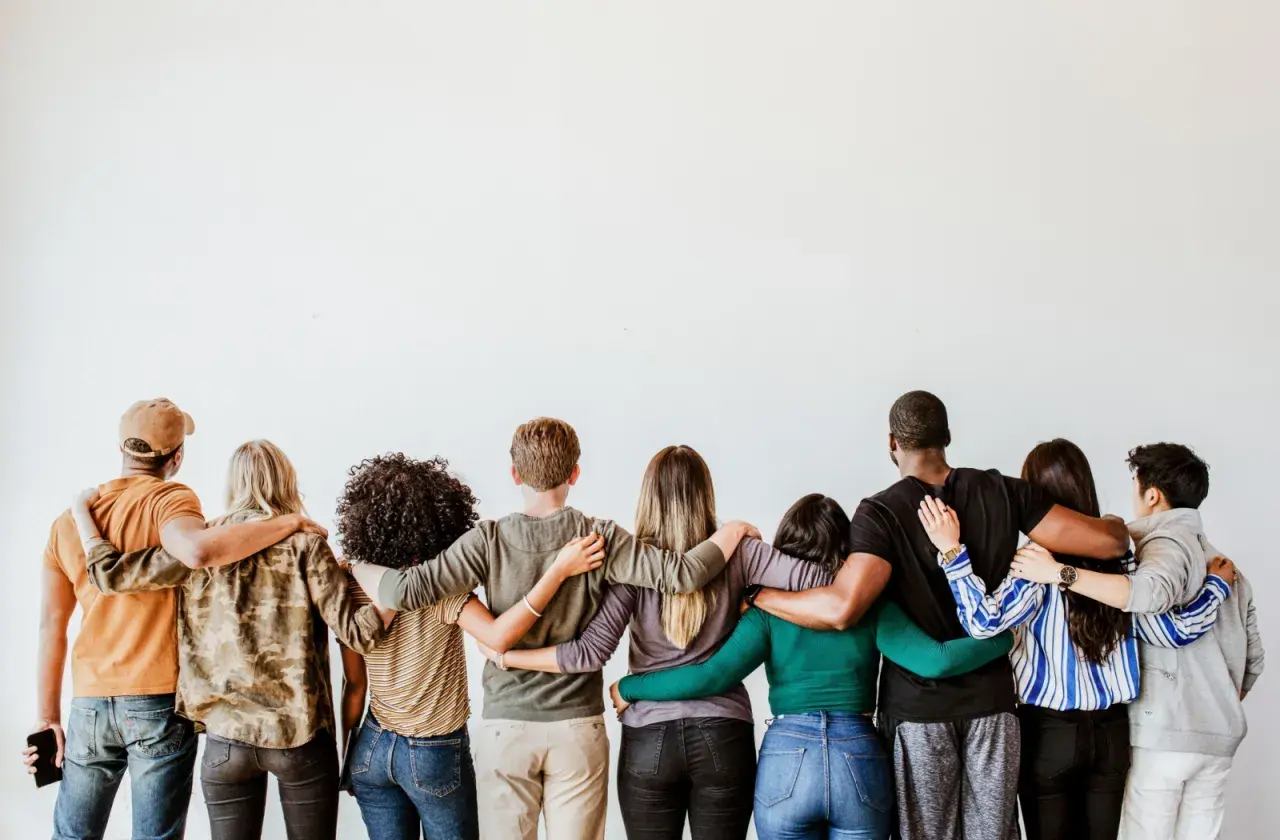
Community service matters because it does two things at once: it helps people right now and it strengthens the social fabric that keeps a neighborhood functioning. I look at it as practical civic problem-solving, not symbolic goodwill. For volunteers, it can build skills, confidence, and perspective; for communities, it often means more capacity, more trust, and faster responses when local systems are stretched.
The practical case for service is immediate help, stronger communities, and measurable civic value
- Service fills real gaps in food access, tutoring, cleanup, senior support, and disaster response.
- Volunteers often gain stronger communication skills, broader networks, and a deeper sense of purpose.
- In the U.S., formal volunteering is rebounding, and AmeriCorps and the U.S. Census Bureau reported that 28.3% of Americans volunteered through an organization in the latest survey.
- Independent Sector estimates the value of one volunteer hour at $36.14 nationally for 2025.
- The best service is local, specific, and repeatable, not just visible for one afternoon.
What community service actually covers
Community service is broader than a Saturday cleanup or a school requirement. It includes any time, labor, or skill donated to meet a shared need, whether that means stocking food pantries, mentoring students, answering helpline calls, repairing a community garden, or offering legal, marketing, or IT help to a nonprofit. The value is not in the label. It is in whether the work solves something real.
I also think it helps to separate volunteering from court-ordered or school-mandated service. All three can produce public value, but the motivation and structure are different. Volunteer service tends to work best when people choose the role, understand the need, and stay long enough to matter. Mandated service can still help the community, but it usually needs tighter supervision and clearer expectations to avoid becoming busywork.That distinction matters because the most effective service is usually designed around need, not around convenience. Once that is clear, the next question is where the work changes outcomes fastest.

Where community service creates the clearest change
The strongest impact usually shows up where a community is under the most strain. Food banks need hands when demand spikes. Libraries and after-school programs need tutors when staffing is thin. Parks departments need cleanup crews after storms. Senior centers need people who can check in, listen, and spot problems early. In each case, volunteers are not replacing a full system; they are adding capacity where delays would otherwise hurt people.
| Service format | Best for | Why it matters | Watch-out |
|---|---|---|---|
| Direct service | Food banks, shelters, park cleanups, community events | Immediate help that people can see and feel | Can stay shallow if it never repeats |
| Skills-based volunteering | Legal aid, IT support, bookkeeping, marketing, design | High-value expertise solves bottlenecks fast | Needs clear scope and quality control |
| Virtual or hybrid service | Tutoring, outreach, admin support, mentoring | Expands access and flexibility | Not every task works well online |
| Relationship-based service | Mentoring, senior check-ins, youth support | Trust and continuity create deeper impact | Requires commitment, not just availability |
AmeriCorps and the U.S. Census Bureau found that 28.3% of Americans volunteered through an organization in the latest survey, and almost 1 in 5 formal volunteers served partly or completely online. That is useful, but only when the task truly benefits from distance. My rule of thumb is simple: if the work is repetitive, administrative, or informational, virtual service can be excellent; if it depends on presence, trust, or physical labor, in-person service usually wins.
Those practical roles also explain why volunteers often gain something meaningful themselves, not just the people they help.
What volunteers gain that money does not fully measure
People often join a service project thinking they are only giving time. In reality, they usually gain experience that is hard to purchase elsewhere: clearer communication, stronger teamwork, a better sense of local reality, and a reason to care about issues that used to feel abstract. That is especially true for younger volunteers, who often discover that service is one of the fastest ways to build judgment and confidence outside a classroom or office.There is also a health angle, but I think it needs to be handled carefully. Research summaries hosted on NIH and PubMed have linked volunteering with better well-being, lower depression symptoms, and, in some studies, lower mortality. That does not mean every volunteer becomes healthier or that service is a treatment. It does suggest that meaningful connection and purpose are not soft extras; they are part of why service can feel so stabilizing.
In other words, the benefit is often both external and internal. Service helps a community, and it can also help the person doing it stay more connected, more capable, and more grounded. That leads naturally to the economic side of the story, because those hours have real value even when no invoice is sent.
The economic value is real, even when nobody sends a bill
Independent Sector estimates the national value of a volunteer hour at $36.14 for 2025, up from $34.79 the year before. That figure is only a proxy, but it is still useful because it reminds us that service is not vague goodwill; it is labor, often skilled labor, with measurable value. When a nonprofit gets 100 hours of help, that is not a symbolic gesture. At the national average, it represents roughly $3,614 in value.
The scale matters too. The U.S. Bureau of Labor Statistics reported that more than 11 million people volunteered on an average day in 2022. AmeriCorps and the Census Bureau also found that the formal volunteering rate rebounded to 28.3% in the latest survey, and the average volunteer served 70 hours in 2023, down from 96.5 hours in 2017. I read that trend as a practical warning: short bursts of service are common, so organizations need to design work that still creates continuity instead of assuming every volunteer will stay for months.
This is why numbers matter in social good work. They help nonprofits plan staffing, justify budgets, and explain return on investment to funders. But volume alone does not guarantee good results, which is why structure matters more than enthusiasm.
What makes service effective instead of performative
The best volunteer programs I have seen all share the same traits: they start with a clear need, give people a defined role, and make it easy to return. When those pieces are missing, even well-meaning service can turn into wasted time. When they are present, a small team can produce outsized results.
- Start with a real request. The need should come from the people or organization being served, not from what looks good in a photo.
- Match the task to the skill. Not every volunteer should do everything. A retired accountant, a college student, and a software engineer can all help, but in different ways.
- Build in repetition. A one-off cleanup is useful, but weekly tutoring or monthly pantry shifts usually create more lasting change.
- Measure something concrete. Attendance, meals packed, students mentored, files processed, trees planted, or calls returned all tell you more than general enthusiasm.
- Give feedback and training. Volunteers work better when they know the standard and understand what good service looks like.
One term that comes up often here is skills-based volunteering, which simply means using professional expertise in a nonprofit or community setting. It can be extremely effective, but only when the organization has enough structure to use that expertise well. Good intentions are not a substitute for good coordination. The same logic also helps identify the most common ways service goes wrong.
Common mistakes that weaken the value of service
The biggest mistake is assuming that any help is automatically helpful. It is not. Service loses value when volunteers ignore local voices, duplicate existing work, or arrive with a savior mindset instead of a listening mindset. I have seen projects fail because they were designed around the volunteer schedule rather than the community need.
- Doing visible work instead of needed work. A public-facing project can look impressive while a less visible task, like intake support or data entry, would have created more value.
- Overestimating what one event can do. One afternoon of service can help, but it rarely solves a structural problem on its own.
- Ignoring training. Volunteers who handle food, youth programs, or sensitive information need basic guidance.
- Using service to avoid harder fixes. Community service should not become an excuse to ignore housing, health, education, or safety policy gaps.
- Burning people out. Too many programs depend on the same few helpers and then wonder why participation drops.
That last point is important. Community service is strongest when it complements institutions, not when it is used to cover for underfunded systems or replace paid expertise. The goal is not to make volunteers do everything. The goal is to make their contribution meaningful, sustainable, and aligned with a real local need. A simple screening process can prevent most of those mistakes.
A simple way to choose service that will still matter after the event ends
When I help people think through where to serve, I use a short filter. It keeps the decision grounded and usually exposes whether the opportunity is truly useful or just convenient.
- What problem does this role solve, and who asked for help?
- Will this task still matter if it is repeated next month?
- Does the organization offer enough direction that a first-time volunteer can succeed?
- Is the work a good fit for my time, skill, and stamina?
- How will the organization know the service actually helped?
If the answers are specific, local, and repeatable, the service is probably worth your time. That is the standard I trust: help that respects the need, fits the volunteer, and leaves the community better organized than before.
