
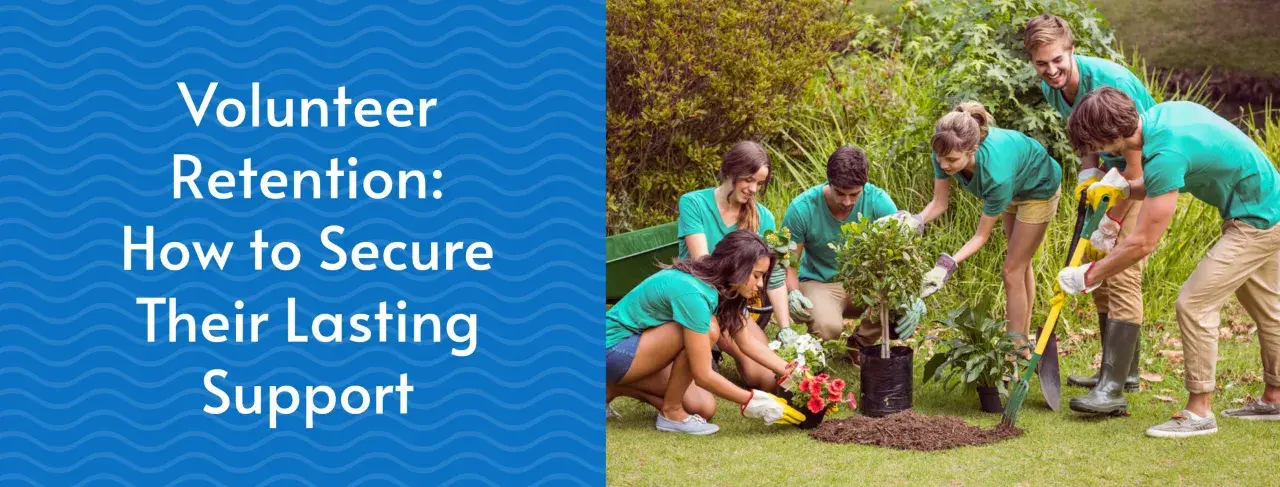
A community project succeeds when the work is specific enough for volunteers to understand in minutes and meaningful enough for them to care after the first hour. I focus on efforts that solve a real local problem, use people’s time well, and leave a neighborhood, school, or nonprofit stronger than before. In the U.S., that matters: the latest Census Bureau survey shows 28.3% of Americans volunteered through an organization in the previous year, so the interest is there, but the design often decides whether it turns into results.
The fastest way to turn volunteers into useful results
- Start with one clear outcome, not a broad wish list.
- Choose a format that matches how much training, supervision, and continuity you can actually provide.
- Write roles as concrete tasks with time limits, supplies, and a named contact person.
- Make the first shift easy to complete and hard to misunderstand.
- Retain people with feedback, flexibility, and a next step they can see.
- Measure turnout, completion, and repeat participation before you scale.
What a volunteer-led local initiative really needs
When I look at a volunteer effort that works, I usually see the same three pieces: a bounded problem, a realistic scope, and a finish line people can recognize. Volunteers are not a substitute for staff; they are an amplifier. If the task is too broad, the energy gets diluted. If the task is too vague, people arrive, stand around, and leave without a sense of accomplishment.
The best service efforts solve something visible. That might be a littered block, an understocked pantry, a school garden that needs tending, or a mentoring program that needs consistency more than charisma. The point is not to do everything. It is to do one useful thing well enough that residents, partners, and volunteers can see the difference.
I also think it helps to separate goodwill from structure. Goodwill gets people to sign up. Structure keeps them effective. A project with clear ownership, a short list of tasks, and a defined end state is much easier to repeat, which is why the strongest local efforts often look modest at first and only become impressive after they are run more than once. Once that structure is in place, the next decision is which format fits the work you actually need done.

The project formats that volunteers can sustain
Not every format asks the same thing from volunteers. Some are built for one-time energy. Others only work if people return week after week. I usually choose the shape of the project before I choose the promotional message, because the format determines the amount of training, supervision, and follow-through the team will need.
| Format | Why it works | Best use case | Main limitation |
|---|---|---|---|
| Neighborhood cleanup | Fast to understand, easy to measure, visible before-and-after impact | One-off or monthly service days | Needs disposal planning, supplies, and a backup plan for weather |
| Food pantry support | Repetitive tasks make onboarding simpler and turnout more predictable | Recurring shifts of 2 to 4 hours | Requires food safety discipline and reliable scheduling |
| Community garden or beautification | People can see progress over time, which builds attachment | Weekly or biweekly maintenance | Needs follow-through between events, not just enthusiasm on day one |
| Tutoring or mentoring | Creates deeper relationships and longer-term change | Regular, small-group commitments | Training, screening, and consistency matter more than volume |
| Event support | Low barrier for new volunteers and useful for corporate groups | Registration, setup, wayfinding, teardown | Can become chaotic if the event plan is not tight |
| Skills-based help | Useful for design, finance, marketing, or data tasks | Project-based assignments with clear deliverables | Scope creep is common if the ask is not specific |
If I had to give one practical rule, it would be this: match the format to the level of commitment you can support. One-day projects recruit more easily, but recurring programs create deeper community value. The tradeoff is simple, and ignoring it causes most volunteer frustration. Once the format is chosen, the real work is designing the tasks so people can finish them without guessing.
How to design the work so people can finish it
I prefer to think in terms of task architecture. That sounds formal, but it is really just the discipline of breaking a big need into small, finishable parts. A volunteer should be able to understand what success looks like, what tools they need, who to ask for help, and when the shift ends. If any of those pieces are missing, the project starts leaking energy.
- Define one measurable outcome. “Improve the block” is too vague; “remove trash from six blocks and fill 40 bags” is usable.
- Break the job into short tasks. New volunteers usually do better with 30- to 90-minute responsibilities than with open-ended work.
- Write roles as actions, not labels. “Bag litter,” “welcome arrivals,” and “track supplies” are clearer than “helper.”
- Set up the environment before people arrive. Gloves, water, signage, contact numbers, and backup supplies should already be in place.
- Build in a handoff plan. Someone needs to know what happens after cleanup, after sorting, or after the event ends.
- Prepare for no-shows and weather. A volunteer project that collapses when two people cancel was never resilient enough.
For a small neighborhood event, I usually expect a low three-digit supply budget once you include gloves, bags, water, clipboards, and basic signage; permits, meals, transport, or childcare can push that higher quickly. That is why scope matters more than ambition. A task that looks simple on paper can become expensive if it depends on too many moving parts. I also draw a hard line on safety: if someone cannot do the job after a 10-minute orientation, the role probably needs more structure or a different person entirely. Once the logistics are tight, retention becomes the real test.
How to keep volunteers coming back
I treat retention as design, not gratitude. Thank-you notes matter, but they do not fix confusion, long waits, or a role that feels meaningless. Independent Sector estimated the value of a volunteer hour at $36.14 in 2025, and that number is a useful reminder that every hour is real economic value. The fastest way to waste that value is to make people feel underused.
- Make the first shift short and visibly successful.
- Assign one person to greeting, check-in, and quick problem-solving.
- Offer more than one way to participate, including remote or skills-based help.
- Give specific feedback after the event, not generic praise.
- Invite the next step while the experience is still fresh.
- Use screening and training when the work involves children, older adults, food handling, or private information.
The barriers I see most often are time, transportation, unclear expectations, and the feeling that the work is not really needed. That is why flexible scheduling matters so much in the U.S. context. A project that only works for people with a free Saturday afternoon excludes a lot of willing helpers. I also like to leave room for progression: a first-time volunteer can start with setup, then move into coordination, and later into leadership if the fit is good. People stay longer when they can see where they are heading. When participation is steady, the last question is whether the effort is actually delivering enough to justify growth.
What to measure before you scale the effort
Most volunteer projects are judged too early on enthusiasm and too late on results. I would rather measure a small set of practical indicators from the start and decide, after two or three repetitions, whether the model deserves to expand. That keeps the team honest and prevents a charismatic one-time event from being mistaken for a durable program.- Turnout versus sign-ups, so you can see whether reminders and commitment levels are realistic.
- Completion rate, meaning how much of the planned work was actually finished.
- Repeat participation, because return volunteers are the best sign that the experience worked.
- Beneficiary feedback, which tells you whether the community felt the benefit you intended.
- Supervision load, so you know whether the model depends too heavily on one staff member or leader.
- Cost per useful outcome, which helps you compare one format against another without guessing.
If those numbers are improving, the project is probably ready for more partners, a larger footprint, or a second location. If they are flat or worsening, adding more volunteers will not solve the problem; it will usually make the weak points more visible. The strongest local efforts are the ones that can repeat the same result without improvising every detail. That is the point where a volunteer effort stops being a one-time event and starts becoming part of a community’s working infrastructure.
