
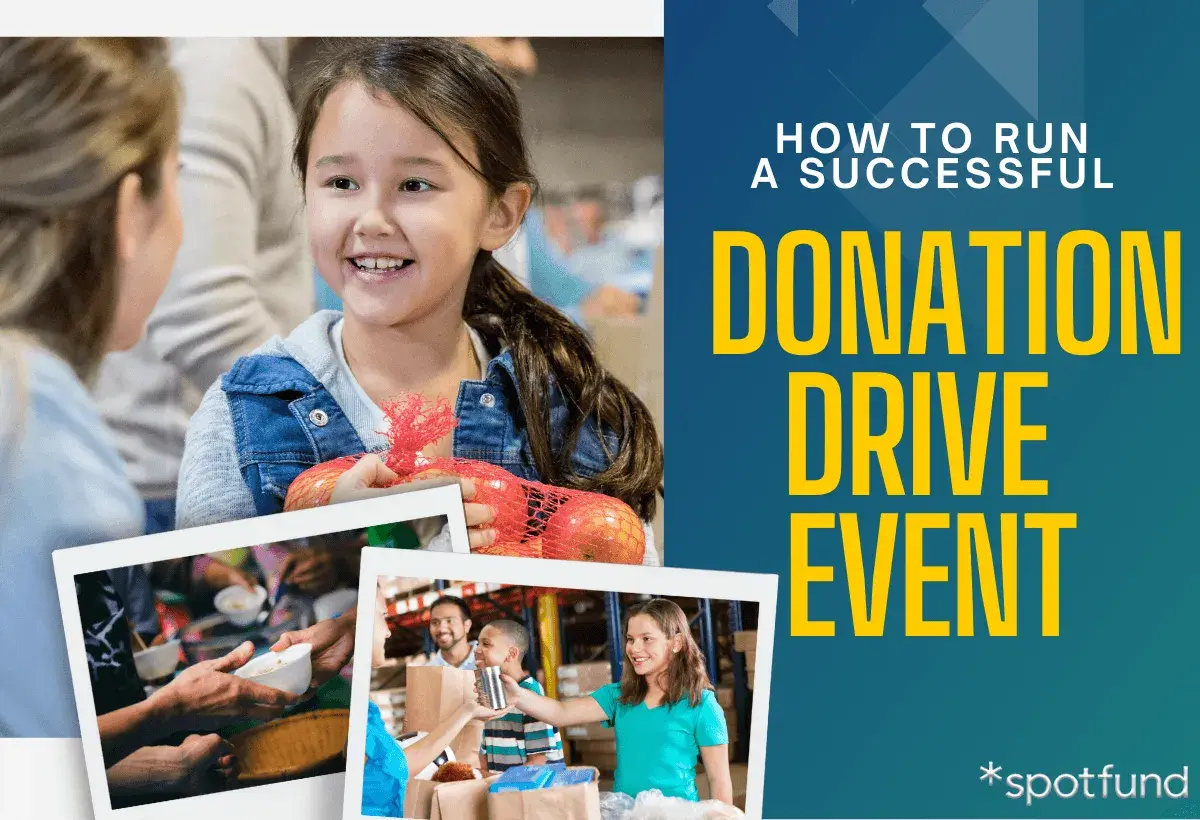
Successful collection events do two things at once: they make giving easy and they send the right help to the right place. The best donation drive ideas are the ones that match a clear local need, keep the ask simple, and remove friction for donors and volunteers. In this guide, I focus on the formats that work, the logistics that keep a drive usable, and the promotion choices that turn interest into actual donations.
Key takeaways for a drive people will actually finish
- Start with one clear need instead of collecting everything that sounds helpful.
- Choose the format first: goods, money, or a hybrid campaign.
- Confirm accepted items with the receiving organization before you announce the drive.
- Make drop-off, sorting, labeling, and transport easy enough for volunteers to handle.
- Promote the exact items, sizes, and deadlines people should follow.
What people actually want from a collection drive
When someone looks for this topic, they usually do not want theory. They want a drive they can launch with confidence, know which items to request, and avoid the common trap of collecting things a nonprofit cannot use. I start by separating the goal into three questions: are you collecting goods, raising money, or doing a hybrid campaign; who will sort and move the donations; and what local organization will receive them.
That distinction matters because a food pantry restock, a school-supply collection, and a disaster-relief fundraiser all behave differently. A goods drive needs storage and sorting; a cash drive needs a clear donation page and a tight story; a hybrid model needs both. Once that is clear, the format choice gets much easier, and the next step is to pick a drive structure that fits the need instead of forcing the need to fit the drive.

Drive formats that match real needs
For food-related campaigns, I always confirm the receiving partner first; Feeding America recommends connecting with a local food bank before you start, because accepted items and delivery procedures can vary by site. That one step prevents a lot of waste and a lot of polite regret.
| Drive type | Best use case | What to collect | Why it works | Main risk |
|---|---|---|---|---|
| Food pantry restock | Schools, churches, offices, neighborhood groups | Shelf-stable staples, baby items if approved, pantry basics | Easy to explain and familiar to donors | Collecting items the pantry does not need |
| Hygiene kit build | Workplaces, youth groups, volunteer days | Soap, toothbrushes, toothpaste, deodorant, menstrual products, wipes | Fast to assemble and useful in many settings | Forgetting one item and making kits uneven |
| Coat and cold-weather drive | Fall and winter campaigns in colder states | New or gently used coats, gloves, hats, socks, scarves | Seasonal urgency gets attention quickly | Wrong sizes or worn-out items |
| Baby supply drive | Parent groups, medical offices, community centers | Diapers, wipes, approved formula, baby wash, blankets | Very specific ask, so donors know what matters | Collecting the wrong diaper sizes or open products |
| School supply drive | Late summer, PTOs, employers, civic groups | Backpacks, notebooks, pencils, folders, calculators | Clear deadline and strong seasonal relevance | Buying random supplies that do not fit grade-level needs |
| Virtual giving page | Remote teams, broader fundraising, disaster response | Monetary gifts tied to a specific goal | No storage, no transport, and donors can give instantly | Feeling less personal unless you show impact clearly |
I like to keep the ask narrow: one main category and, at most, two approved alternatives. That usually produces better results than a long wish list that makes donors hesitate. A classroom challenge, an office match, and a neighborhood porch-pickup window are also strong formats when the audience is local and the logistics are simple. If the cause is urgent or the audience is far away, a digital gift page often performs better than a pile of physical goods, because money is easier to redirect when needs change.
Once the format fits the need, the campaign stops feeling generic and starts feeling usable. The next question is whether your logistics can carry the volume you hope to receive.
The logistics that keep the campaign usable
This is the part most people underestimate. A donation event can have a strong story and still fail because nobody planned where the boxes go, who checks quality, or how the items get delivered. I usually build the logistics around five decisions.
Set one owner and one backup
Every drive needs a single point of contact. One person handles questions, one person can step in if that lead is unavailable, and both should know the partner organization’s rules. That sounds basic, but it prevents the classic problem where everyone is “helping” and no one is responsible.
Choose the right timeline
For a small neighborhood drive, I would usually give it 2 to 3 weeks. For a multi-site campaign, 4 to 6 weeks is safer because people need time to see the message more than once. Anything shorter than that works only if the audience is already close to the cause and the ask is very specific.
Design the intake and sorting process before day one
Use labeled bins, a simple checklist, and a sorting table for each category. If you are collecting clothing, separate by size and season. If you are collecting hygiene kits, keep the components together until assembly day. If you are collecting cash, set up the online form first and test it on a phone, because in 2026 a mobile-friendly donation path is not a bonus feature; it is basic infrastructure.
Plan storage and transport before the boxes arrive
Do not assume you can “find room later.” Keep donations dry, off the floor, and away from direct heat or sunlight. For food, expired or damaged goods usually create more work than value. For clothing, worn-out, stained, or unusable items slow down sorting and can overwhelm the people trying to help. If you are collecting a large volume, arrange delivery in batches instead of waiting for the final day to move everything at once.
Read Also: Peer-to-Peer Fundraising: Your Guide to Spreading the Word
Close the loop with receipts and counts
People give more when they trust the process. Count what came in, note what was delivered, and share the result with donors. Even a simple update like “312 hygiene kits delivered” is better than a vague thank-you post. That kind of clarity makes the next campaign easier to launch.
With the backend in place, promotion becomes much easier, because you are no longer asking people to support an unclear plan. You are asking them to participate in something specific and credible.
How to promote the drive without confusing donors
Most promotion fails because the message is too broad. I want the first line of any announcement to answer three questions immediately: what to bring, where to bring it, and when it ends. If people have to guess, they usually do nothing.
- Lead with the exact need. “We’re collecting size 4-6 diapers and unopened wipes” is stronger than “Help families in need.”
- Show examples. A short photo grid or a five-item list removes hesitation and keeps the ask concrete.
- Add a digital option. Use a QR code to a donation page or sign-up form so people can act while they are reading the message.
- Repeat on a schedule. I usually send reminders at one week, three days, and the morning of pickup or drop-off.
- Use visible momentum. A mid-campaign update, a leaderboard, or a simple progress bar helps people feel that the drive is working.
For school and workplace campaigns, friendly competition can help, but I keep it lightweight. A prize should support participation, not turn the event into a gimmick. If the group is distributed or remote, a virtual drive often performs better than a box-and-bin setup because the friction is lower and the action is instant.
Good promotion gets donations moving, but it does not fix a weak plan. The next step is avoiding the mistakes that quietly drain the value out of otherwise well-intentioned drives.
Common mistakes that quietly weaken results
After a while, the patterns become obvious. The drives that underperform usually fail for the same handful of reasons, and most of them are preventable.
- Collecting too many categories. A long wish list sounds generous, but it makes people indecisive.
- Accepting “anything helpful.” Unclear rules lead to clutter, not impact.
- Ignoring storage and transport. Great donations are not useful if they sit in a hallway for two weeks.
- Skipping quality control. Opened, damaged, expired, or unsafe items should not make it into the final handoff.
- Forgetting the handoff. A drive is not finished when the last box is dropped off; it is finished when the partner receives and can use everything.
- Making the story too vague. Donors respond better when they know who benefits and why the need is urgent.
The biggest strategic mistake is assuming that more volume automatically means more value. That is not true. Fifty well-matched donations beat 500 mixed items that need to be sorted, rejected, or stored. This is why I often recommend a smaller, cleaner campaign first; it teaches the team what is realistic without burning goodwill.
Once you know the common failure points, the most useful thing you can do is start with a lean version and prove the system before scaling it up.
How I would launch a lean drive in one week
If I were starting from scratch, I would use a tight seven-day launch plan. It is enough structure to keep the event real, but not so much that volunteers lose momentum before the first donation arrives.
- Day 1. Choose one cause and confirm what the partner organization actually needs.
- Day 2. Pick the collection format, location, and close date.
- Day 3. Write the donation list, label rules, and contact details.
- Day 4. Build the flyer, email text, and QR code or donation link.
- Day 5 to 6. Promote through the channels your audience already uses.
- Day 7. Sort, count, pack, and deliver with a visible thank-you update.
That simple structure is usually enough to produce a clean first result and a better second campaign. The strongest collection events feel modest in the setup and substantial in the outcome: one clear ask, one easy way to give, and one credible handoff that shows the difference the community made.
