
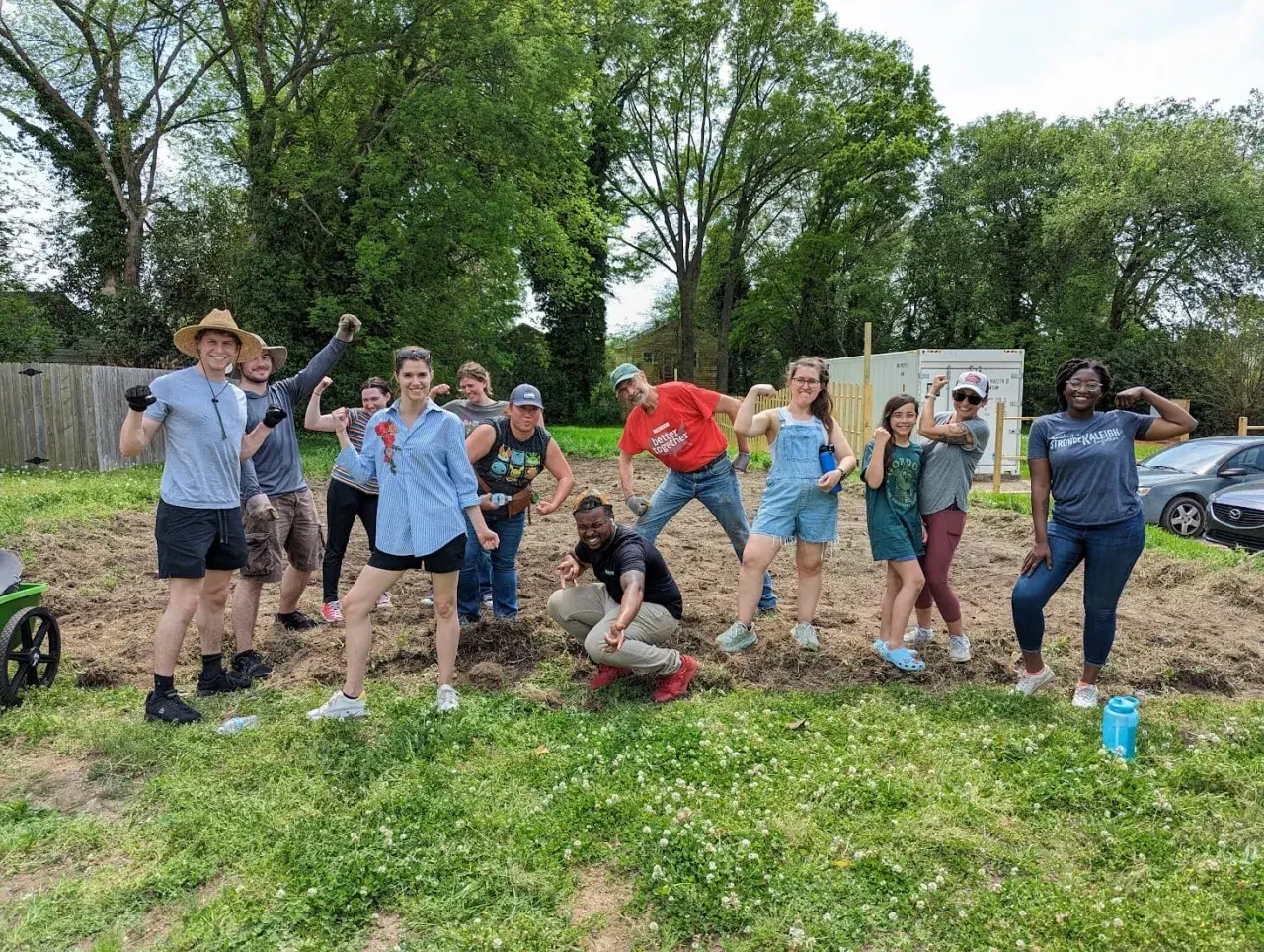
A strong volunteer effort works best when the need is clear, the work is manageable, and the result is easy to see. A service project is most useful when it solves one real problem for one community partner, instead of spreading people too thin across several vague goals. In the United States, the most effective projects usually combine practical help, light coordination, and a task volunteers can finish in a single session.
Keep the work concrete, manageable, and tied to one visible need
- Start with one specific community need, not a general wish to help.
- Match the task to the time, age range, and skill level of your volunteers.
- Choose work with a visible result, such as a cleaned space, sorted supplies, or planted beds.
- Keep planning simple with one owner, one partner, one schedule, and one safety check.
- Measure success by what changed for the community, not just by how many people showed up.
What a volunteer-led project really is
In practice, a volunteer-led community effort is a short, structured response to a real need. The best version has three things in common: a clear beneficiary, a finite task, and an outcome that the partner can point to afterward. National service groups such as AmeriCorps and Points of Light frame volunteering this way because it is not just about filling time; it is about making a visible difference and strengthening local ties.
That distinction matters. A loose “helping out” session often produces confusion, duplicated effort, or work that staff still need to redo. A good project, by contrast, gives volunteers a role they can understand in two minutes and complete without special training. If the task requires medical, legal, electrical, or child-safety credentials, it belongs with trained professionals, not a crowd of well-meaning helpers.
I usually think of the best volunteer projects as the ones that make a partner’s week easier, not as the ones that sound impressive on paper. That practical lens is what separates useful service from symbolic activity, and it leads directly to the kinds of needs volunteers can actually solve.
The kinds of needs volunteers can actually solve
Not every community problem is a good fit for volunteers, but many are. The sweet spot is work that is repetitive, visible, and safe when supervised well. In the United States, I see the most reliable results in a few categories.
- Public spaces - park cleanups, litter pickup, mural touch-ups, basic painting, and small planting days.
- Basic needs - sorting food donations, packing pantry boxes, assembling hygiene kits, or organizing clothing drives.
- Learning support - reading assistance, tutoring, school supply packing, and mentoring support events.
- Connection and care - card-writing drives, friendly phone calls, senior visits, and community check-in campaigns.
- Preparedness and recovery - sandbagging, donation sorting, cleanup support, and supply distribution when coordinated by an experienced local partner.
The common thread is that volunteers are doing work that is important, but not so specialized that only one person can do it. That is why the most useful projects are often simple on purpose. Simplicity is not a weakness here; it is what makes the work scalable and repeatable.
How to choose the right project for your group
The right project is not the one with the flashiest name. It is the one that fits your people, your time, and the partner’s actual need. I would narrow the choice by asking five questions before anything is scheduled.
- What problem does the partner want solved this month?
- Can the work be finished in 1 to 4 hours?
- Do the volunteers have the stamina, mobility, and attention the task requires?
- Can success be measured in one sentence?
- Will the partner spend less time supervising than benefiting?
That last question is the one people skip most often. If the project creates more coordination work for the nonprofit, school, or city department than it saves, the design is off. A good fit is usually one where the partner can say, “Yes, this would help us immediately,” without needing a long explanation.
Budget is part of the decision too. A small cleanup may cost only $50 to $200 for gloves, bags, water, and basic supplies if some items are donated. A larger kit-packing or planting event can land in the $200 to $1,000 range depending on materials. If your group has no budget at all, choose a project that relies on sorting, writing, calling, or organizing rather than purchasing.
How to plan it so volunteers stay useful and safe
For a small volunteer event, I would usually plan on 2 to 4 weeks of lead time. For a larger event with outside partners, transportation, or minors, 6 to 8 weeks is safer. That gives you enough time to confirm the site, gather supplies, brief volunteers, and handle the little details that break events when they are rushed.
The cleanest structure I know is simple:
- Assign one project lead who makes decisions.
- Confirm one partner contact who knows the real need.
- Write one short task list with clear start and finish points.
- Prepare supplies in advance and bring extras of the basics.
- Give a 10-minute safety and workflow briefing before anyone starts.
- Close with cleanup, handoff, and a quick check that the partner is satisfied.
For volunteer groups of 8 to 20 people, I like to split work into teams of 4 to 6 so nobody is standing around waiting for instructions. That scale is small enough to manage and large enough to produce real output. If you are working outdoors, weather backup matters more than most planners expect; a rain plan or indoor fallback can save the entire day.
It also helps to be explicit about what success looks like. “Help the food pantry” is too broad. “Sort and label 300 donated items so staff can restock the shelves” is useful because it gives everyone a target and a finish line.

Examples that work well for volunteers in the United States
When people ask me for realistic ideas, I look for projects that are easy to explain, easy to supervise, and easy to count afterward. These are some of the strongest options for volunteer groups in the U.S.
| Project type | What it helps | Typical volunteer count | Typical budget | Best when |
|---|---|---|---|---|
| Park or neighborhood cleanup | Litter removal, safer public spaces, visible neighborhood pride | 8 to 20 | $50 to $200 | You need a fast, high-visibility win in one morning |
| Food pantry sorting and packing | Faster distribution and better inventory flow | 6 to 15 | Often low if supplies are donated | The partner already has storage and a clear workflow |
| School supply or hygiene kit assembly | Immediate relief for students, families, or shelters | 10 to 30 | About $5 to $20 per kit if purchased | You want a simple indoor event with easy counting |
| Community garden planting | Beautification, food access, and long-term site care | 8 to 15 | $100 to $500 | The season, soil, and site access are already lined up |
| Card writing or phone check-in drive | Connection, encouragement, and reduced isolation | 5 to 50 | Under $50 | You need a remote-friendly or indoor option |
The pattern is more important than the label. Good projects are concrete, repeatable, and easy to verify. They do not depend on a huge budget or a dramatic setting; they depend on one real need and a group that can show up prepared.
Common mistakes that drain energy instead of creating impact
The biggest mistake is choosing the activity before confirming the need. I see this a lot with groups that pick a theme first, then search for a nonprofit willing to accept it. The result is usually awkward. The partner should not have to bend its work to fit your event.
Other mistakes are less obvious but just as costly:
- Giving volunteers vague instructions and then blaming them for poor results.
- Ignoring accessibility, transportation, or weather constraints.
- Using a task that is too small for the number of people you invited.
- Skipping follow-up, so nobody learns what helped and what did not.
- Taking on work that requires skills, permissions, or equipment you do not have.
There is also a softer mistake: designing the event so it feels good to the volunteers but not especially useful to the partner. That kind of project can still build goodwill, but it will not earn trust for the next round. Real community value comes from serving the partner’s priorities first.
How to measure impact without turning it into paperwork
I keep measurement simple. For most volunteer projects, you only need three layers of evidence: what was done, what changed, and whether the partner would do it again. Anything more complicated is usually for internal reporting, not for the project itself.
Start with outputs. Those are the easy counts: 12 bags of litter removed, 180 meals packed, 40 kits assembled, 6 garden beds planted, or 75 cards written. Then add one outcome signal, such as a cleared walkway, a stocked pantry shelf, or a reduction in backlog for staff. Finally, capture one short note from the partner about what mattered most.
That mix tells a better story than volunteer headcount alone. Ten highly focused volunteers who complete a narrow, useful task can outperform 50 people who arrive with no plan. The point is not to maximize attendance; it is to maximize usefulness.
If you want a practical rule, make sure the group can explain the result in one sentence after the event. If they cannot, the project was probably too broad or too poorly defined. Simple measurement keeps the work honest and makes it easier to repeat with better results next time.
What makes people come back for the next round
The most repeatable volunteer efforts are the ones that leave people with a sense of completion. Volunteers should know what they accomplished, the partner should know what improved, and the organizer should know what to do differently next time. That is how a one-off event turns into a dependable rhythm of community support.
When I look at projects that keep growing, the pattern is consistent: clear roles, realistic scope, good communication, and a partner that trusts the group to show up prepared. Those are the details that build momentum. They also make recruitment easier, because people are far more likely to return to work that felt organized and meaningful.
If you are starting from zero, the smartest next step is a short conversation with one local nonprofit, school, pantry, park team, or neighborhood leader. Ask what would save them the most time this month, then design the volunteer effort around that answer. That approach is usually simpler, cheaper, and far more effective than inventing a project first and hoping the community need will fit it.
