
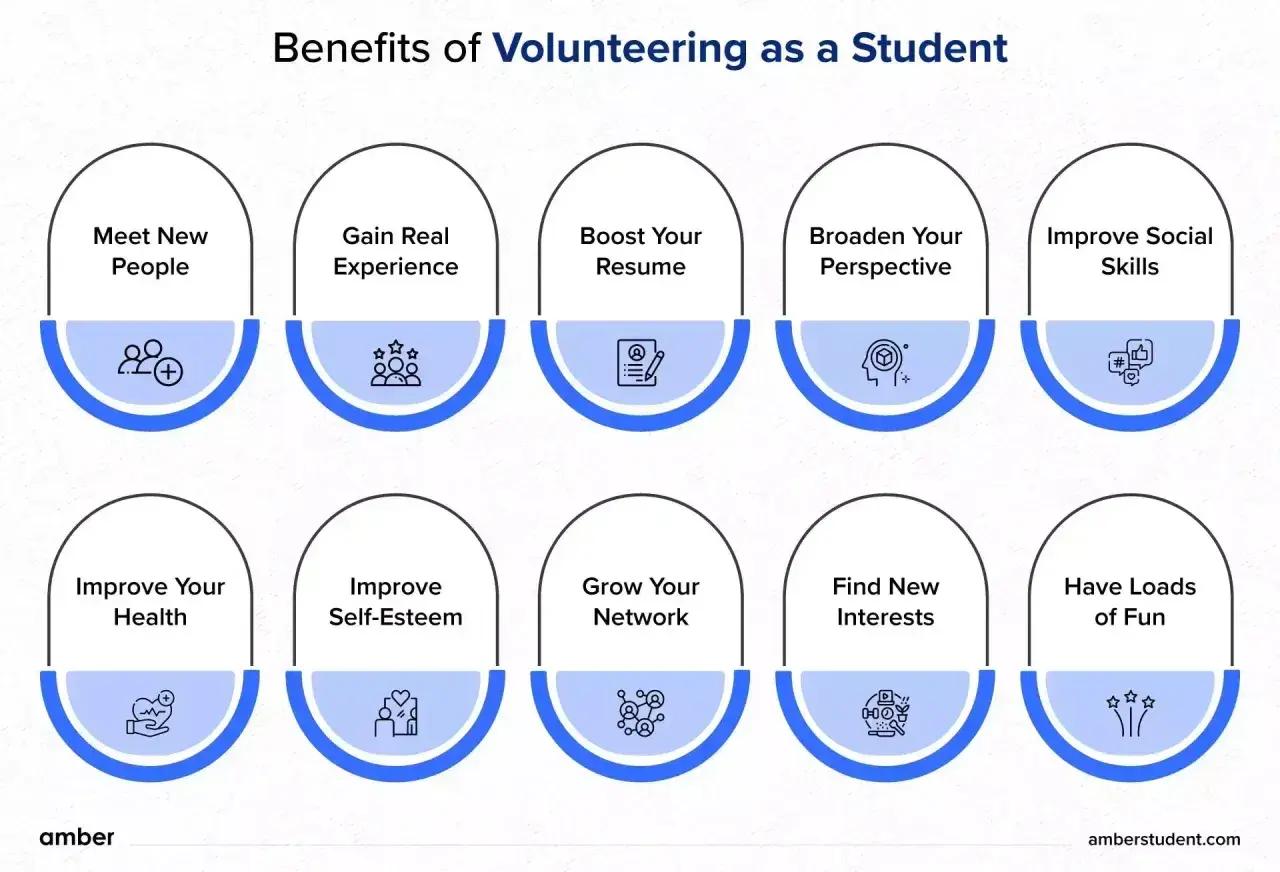
Volunteering helps a community in ways that are easy to miss if you only count visible events. It keeps food banks staffed, tutoring programs open, parks maintained, and local nonprofits able to respond when demand spikes. I want to show not just the obvious benefits, but also the less visible ones: trust, coordination, and the long-term capacity that makes a neighborhood more resilient.
Volunteering works best when it solves a real local need and builds trust at the same time
- It fills gaps in services that public agencies and nonprofits cannot cover alone.
- It makes daily life better through food support, education, cleanup, and crisis response.
- It creates social connections that make future cooperation easier.
- It is most effective when the role is repeatable, trained, and tied to measurable outcomes.
- Different needs call for different models, from hands-on service to skills-based support and neighbor-to-neighbor help.

Where volunteer help shows up first in daily life
The latest U.S. Census Bureau and AmeriCorps survey found that 28.3% of Americans age 16 and older formally volunteered through an organization, and that work added an estimated 4.99 billion hours of service worth $167.2 billion in economic value. Those numbers matter because they show what volunteers really do: they extend the capacity of food banks, schools, shelters, parks, and local nonprofits when demand outpaces staff. In practice, volunteering is less about symbolic goodwill and more about keeping everyday community services from slipping through the cracks.
I usually think of this impact in very concrete terms. One evening shift at a pantry may mean fewer families waiting in line. One recurring tutor can mean a student gets steady reading support instead of occasional help. One cleanup crew can turn a neglected block, trail, or playground into a space people actually want to use. That is why volunteer labor feels small at the individual level but becomes substantial at the community level.
- Food insecurity gets addressed faster. Volunteers sort donations, pack boxes, and distribute meals when demand rises suddenly.
- Education gets more personal attention. Reading support, mentoring, and after-school programs often depend on volunteer time.
- Public spaces stay usable. Cleanups, planting days, and repair projects make parks, sidewalks, and community areas safer and more inviting.
- Crisis response becomes more flexible. During storms, layoffs, or local emergencies, volunteers help organizations reach more people quickly.
That is the visible layer; the next layer is less obvious but just as important: what service does to relationships inside the community.
Formal volunteering and neighbor help both matter
Not every helpful act is a formal volunteer shift, and that distinction matters. The same national data show that informal helping is even more common than organized service, with many Americans mowing a neighbor’s lawn, bringing groceries, running errands, or lending tools. I think that matters because communities do not only run on organizations; they also run on trust between people who are willing to notice a need and act before it becomes a crisis.
Formal volunteering and informal help do different jobs.
- Formal volunteering is better when a task needs coordination, training, safety rules, or a repeatable schedule.
- Informal helping is better when the need is immediate, personal, and local.
- Together, they create a stronger support network than either one can create alone.
That distinction is useful because it keeps the conversation honest. A neighborhood does not become healthier only because a nonprofit has volunteers on paper; it becomes healthier when people can rely on one another in both organized and everyday ways. From there, the deeper question is why this kind of service changes a community even when the task itself looks small.
Why service strengthens the social fabric
Here I usually think in terms of social capital, which is a simple phrase for trust, reciprocity, and the network of relationships that lets people coordinate under pressure. When volunteers work side by side, they do more than complete tasks; they learn each other’s names, see who needs what, and build the confidence to act again next time.
- It reduces isolation for older adults, new residents, and people in crisis.
- It creates bridges across income, age, and cultural lines.
- It gives local organizations a base of people who already understand the mission.
- It helps communities respond faster because trust has already been built.
This is one reason the best volunteer projects feel larger than the task itself. A meal drive, a park cleanup, or a mentorship program can become a repeated point of contact between people who would otherwise never meet. Over time, that kind of contact makes a community more durable, not just more generous. The next section breaks down which kinds of volunteer work produce which kinds of results.
Different volunteer models solve different problems
I usually separate volunteer work into a few models, because the best choice depends on what the community actually needs.
| Model | Best use | Main strength | Main limitation |
|---|---|---|---|
| Direct service | Food banks, shelters, tutoring, mentoring | Immediate, visible help | Needs training and reliable scheduling |
| Skills-based service | Marketing, accounting, legal support, IT | Can multiply nonprofit capacity quickly | Works only if the task is clearly defined |
| Episodic service | Cleanups, drives, event staffing, build days | Easy to recruit many people at once | Impact fades if there is no follow-up |
| Virtual or hybrid service | Scheduling, outreach, translation, admin support | Flexible and accessible | Not suited to hands-on needs |
| Neighbor-to-neighbor help | Meals, rides, errands, check-ins | Fast support with high trust | Harder to track and scale |
The latest national data also show that nearly 1 in 5 formal volunteers served partly or fully online, which is a good reminder that impact does not always require being in the same room. Still, online service works best when it supports a real operational need rather than replacing people who are physically needed on the ground. From here, the bigger question is not which model looks most efficient on paper, but what makes a volunteer effort actually work in practice.
What makes volunteer work effective instead of symbolic
This is the part most people underestimate. A volunteer event can feel busy and still miss the mark if the task is vague, the training is thin, or the organization cannot use the help once it arrives.
- Start with the problem, not the activity. If a nonprofit needs consistent tutoring, a one-day photo op will not solve it.
- Match the role to the skill level. A skilled accountant should not be stuck with generic tasks if the organization needs bookkeeping.
- Protect consistency. Two reliable volunteers every week often beat ten people who show up once.
- Measure simple outcomes. Meals delivered, students tutored, homes repaired, or calls answered are better indicators than attendance alone.
- Let local leaders set the priorities. Communities usually know their own gaps; volunteers add capacity, they do not replace judgment.
The same national survey also shows that average annual hours per formal volunteer have fallen since 2017, which is one more reason recurring commitments matter. In other words, communities usually benefit more from dependable help than from bursts of enthusiasm that disappear after a single event. The biggest mistake I see is treating visibility as impact, so the next section focuses on how to choose a role that fits the need rather than the mood of the moment.
How to choose the right role for real community impact
When I help people think through volunteering, I keep it simple: ask what problem exists, how often help is needed, and whether your schedule can support the role for more than a single appearance.
- Identify the actual need. Is the issue food access, literacy, housing, isolation, or cleanup?
- Check whether the work is recurring or one-time. Recurring needs reward consistency; one-time needs reward speed and coordination.
- Look for the highest-leverage task. Sometimes the best use of your time is outreach, admin, logistics, or fundraising support, not the most visible job.
- Confirm the organization can absorb help. Good groups have onboarding, safety rules, and a clear point of contact.
- Choose a commitment you can keep. A modest monthly role that lasts six months is usually more valuable than a burst of enthusiasm that disappears after two weeks.
If I had to boil it down, I would say this: the right volunteer role is the one that matches a real need, fits your actual life, and produces a result someone can feel. That leads to the final question, which is what all this adds up to over time.
What lasting change looks like when service becomes a habit
Long-term community improvement rarely comes from a single large gesture. It comes from repeated, dependable acts that make institutions stronger and make neighbors more willing to help one another again.
That is why sustained service matters more than intensity alone. A volunteer who returns every month helps a nonprofit plan staffing, reduces burnout for paid workers, and makes support feel steady rather than improvised. On the community side, people start to notice that problems are being met early instead of after they have grown into emergencies.
If you can only offer a few hours a month, choose one role and keep it for at least eight to 12 weeks. That is long enough to learn the rhythm, become useful, and let the organization plan around you. If you want the highest return on your time, that is usually the best place to begin.
