
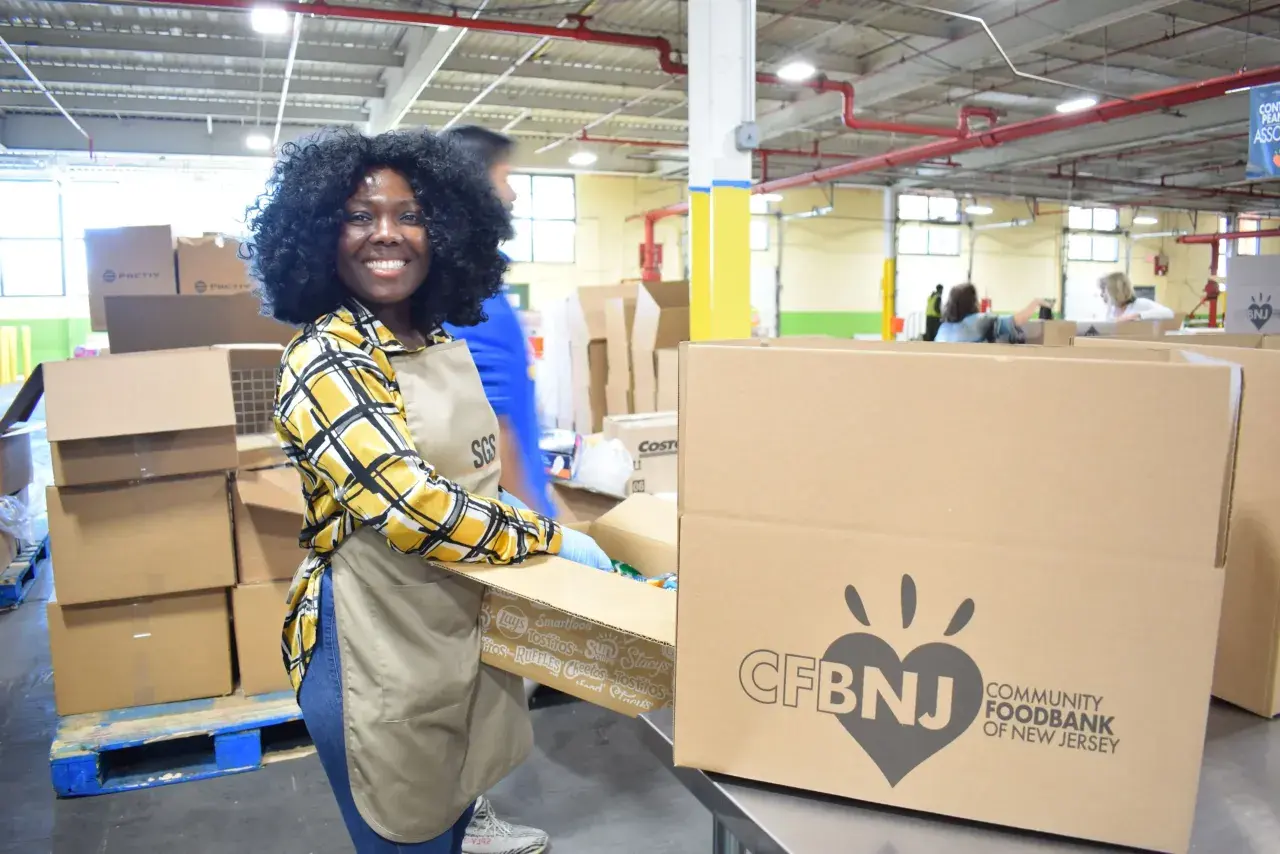
Food banks depend on volunteers for the work that keeps donations moving, shelves stocked, and distribution days running on time. A clear food bank volunteer job description should spell out the tasks, the physical demands, the schedule, and the basic rules so people know exactly what they are signing up for. That matters because this role is often simple in structure but demanding in pace, and the best fit is not always the person with the most energy - it is the person who understands the work.
In my view, the strongest descriptions are specific. They explain whether the shift is warehouse-based, neighbor-facing, or administrative, and they make the expectations around food safety, lifting, and reliability easy to see before the first volunteer arrives.
Key details that matter before you commit to a shift
- Most roles involve sorting, packing, labeling, stocking, or distributing food, not just general "helping out."
- Many U.S. food banks set age minimums, require minors to bring a chaperone, and ask for a signed waiver in advance.
- Closed-toe shoes, punctual arrival, and the ability to stand for long periods are common expectations.
- Some shifts are short, usually around 2 to 3 hours, but warehouse work can still feel physically active the entire time.
- Experience is usually less important than reliability, attention to detail, and respectful communication.
- Good volunteer descriptions also say whether training, background checks, or health screening rules apply.

What the role actually includes
When people imagine food bank work, they often picture one broad task. In reality, the work usually breaks into a few different tracks, and the description should say which one applies. At Houston Food Bank, for example, volunteers may inspect and sort donations, repack dry food into family-sized bags, and help build kits for community distribution. That kind of detail matters because it tells a volunteer whether they will be standing at a table, working in a warehouse aisle, or helping at a distribution site.
I usually think of food bank volunteering in four practical buckets:
| Volunteer setting | Typical tasks | Best fit for |
|---|---|---|
| Warehouse sorting | Inspecting donations, checking dates, sorting produce, labeling items, breaking down boxes | People who are organized, steady, and comfortable with repetitive work |
| Packing and repacking | Building family boxes, bagging bulk items, sealing kits, creating meal packs | Volunteers who like clear routines and hands-on physical work |
| Distribution and pantry support | Greeting neighbors, checking people in, guiding lines, loading carts or vehicles, restocking tables | People with strong communication skills and a calm, welcoming style |
| Back-office or event support | Data entry, phone help, donation drives, setup, cleanup, sponsor events, light admin tasks | Volunteers who want to help but may not be able to do heavier lifting |
The useful part of this breakdown is not the labels themselves. It is the fact that each role asks for something slightly different. A volunteer who is great at greeting families may hate repetitive box packing, and someone who likes warehouse rhythm may not want a customer-facing shift. A good description removes that guesswork, which saves time for both the food bank and the volunteer.
That separation between roles also leads naturally into the requirements, because a pantry welcome desk and a warehouse shift rarely ask for the exact same level of physical effort.
What most U.S. food banks ask of volunteers
Requirements vary by organization, but the pattern is fairly consistent across the United States. Feeding San Diego, for example, requires closed-toe shoes and uses different age rules depending on whether the shift is in the distribution center or in the community. That is typical of food banks: they want the work to move safely, and they want volunteers to fit the conditions of the site.
Here is what I would expect to see in a serious volunteer description:
- Age rules. Many sites accept teens, but minors often need a parent consent form and a chaperone. Some organizations set the minimum age at 8, 10, 12, or 16 depending on the task.
- Registration in advance. Walk-ins are uncommon for structured shifts. Most food banks want you to sign up ahead of time so they can control staffing and safety.
- Physical ability. Standing for 2 to 3 hours is common, and some roles ask volunteers to lift around 25 pounds, with heavier items possible in certain warehouse settings.
- Food-safe clothing. Closed-toe shoes are standard. Some sites also ask for comfortable clothes, minimal jewelry, and gloves provided on site.
- Health and hygiene rules. If the work involves open food, volunteers may be asked not to come in sick, especially with fever, vomiting, or respiratory symptoms.
- Training or orientation. Even when the role looks simple, the food bank may cover sorting rules, safety procedures, neighbor privacy, or equipment use before the shift starts.
- Background checks or screening. These are more likely for ongoing, youth-facing, delivery, or specialized positions than for one-time warehouse help.
One detail that is often overlooked is the difference between "can do the job" and "can do the job comfortably for the full shift." Standing on concrete, lifting boxes, and repeating the same motion for two hours are not dramatic tasks, but they can wear people down if the volunteer description is vague. I would rather see the organization be honest about the strain than promise an easy shift that turns out to be physically demanding.
Once those baseline requirements are clear, the next question is less about credentials and more about the human skills that keep the day running smoothly.
The skills that matter more than experience
Food banks usually do not need volunteers with specialized backgrounds. They need people who are steady, respectful, and willing to follow directions. In practice, that means the best volunteer is often not the loudest or fastest person in the room. It is the person who notices labels, keeps a clean workspace, and does not need constant redirection.
The skills that make the biggest difference are usually these:
- Attention to detail. Checking dates, sorting items correctly, and spotting damaged packaging protects both efficiency and food safety.
- Reliability. Showing up on time matters more than most people realize, because one missing volunteer can slow an entire line.
- Teamwork. Food bank work is built on handoffs. If you pack boxes, someone else loads them, and someone else distributes them.
- Respectful communication. For neighbor-facing roles, tone matters. A calm greeting and simple directions can change the whole experience for someone coming for help.
- Comfort with repetition. Sorting and packing involve a lot of small, repeated motions. That is not glamorous, but it is how the operation moves.
- Adaptability. Donations vary. One week might bring produce, the next canned goods, and the next a last-minute change in distribution flow.
- Basic physical stamina. You do not need to be an athlete, but you should be prepared for standing, bending, and light lifting.
If I were writing this for a nonprofit site, I would make one point very clear: a food bank volunteer does not need to "know everything." The best volunteers ask questions early, learn the sorting rules, and stay flexible when a shift changes pace. That attitude does more good than bravado ever will.
Those skills also help you decide which kind of shift fits your time and energy, which is the part I think many volunteers should evaluate before clicking sign-up.
How to read the description before you sign up
I always tell people to read a volunteer description the way they would read a work shift, not a charity flyer. The mission may be inspiring, but the practical details determine whether the experience will go well.
- Check the time commitment first. Look for shift length, arrival time, and whether the role is one-time, weekly, or recurring.
- Read the physical requirements carefully. If the description mentions standing, lifting, bending, or moving bins, believe it. Those words are there for a reason.
- Confirm the age and chaperone rules. If you are signing up with a teen, verify whether the organization requires an adult supervisor or a separate waiver.
- Look for food-safety language. Any role that involves open food, repacking, or distribution should explain hygiene expectations clearly.
- See whether you need training or a background check. Some roles are ready on day one, while others require onboarding before the first shift.
- Ask about service-hour verification if you need it. This matters for students, court-ordered service, and workplace volunteer programs.
- Check transportation and parking details. A role can be a great fit on paper and still be impractical if the location is hard to reach on time.
This is also where the difference between a polished description and a useful one becomes obvious. A polished description says the work is "meaningful." A useful one tells you whether the shift is indoors or outdoors, whether gloves are provided, whether breaks are built in, and whether volunteers will interact directly with neighbors. That level of detail reduces no-shows and gives people a realistic picture of the day.
Once you know how to read the listing, it becomes much easier to spot whether the role matches your schedule, your comfort level, and your physical capacity.
A complete description should answer these questions
When I draft volunteer copy, I want the reader to finish the page with no major uncertainty. A strong description does not need to be long, but it should answer the basics cleanly.
- What exactly will the volunteer do?
- Where will the shift take place?
- How long is the shift?
- What should the volunteer wear or bring?
- What age or supervision rules apply?
- How much lifting or standing is involved?
- Is training required before the shift?
- Will the volunteer work with food, people, or both?
- How does someone sign up, cancel, or ask a question?
Sample wording: Volunteers help sort donations, repack food into family-sized portions, stock shelves, greet neighbors at distribution sites, and keep work areas clean and organized. Shifts usually last 2 to 3 hours and may involve standing, light lifting, and following food-safety procedures. Volunteers must arrive on time, wear closed-toe shoes, and follow the site-specific age or chaperone policy.
That kind of language works because it balances mission with reality. It tells people why the work matters, but it also tells them what they will actually do when they show up. For me, that is the difference between a description that inspires interest and one that produces reliable volunteers.
The final piece is smaller than the others, but it is often what makes the day feel organized instead of chaotic: the little habits that help volunteers settle in quickly and leave the shift feeling useful.
The small details that make a shift run smoothly
When a volunteer day goes well, it is usually because of a dozen small choices rather than one dramatic moment. I have seen that again and again: the right shoes, a clear check-in process, a quick orientation, and one staff member who explains the flow before everyone starts moving boxes.
- Arrive a little early so you are not rushed at check-in.
- Wear closed-toe shoes and clothing you can bend and lift in.
- Bring water if the site allows it, especially for longer warehouse shifts.
- Ask where to put personal items so they do not get in the way.
- Tell staff right away if you feel unwell or if a task is too heavy.
- Follow the sorting rules exactly, even if they seem minor.
- Respect neighbor privacy and keep conversations professional at distribution sites.
- Leave room for last-minute changes, because donation flows and volunteer needs can shift fast.
