
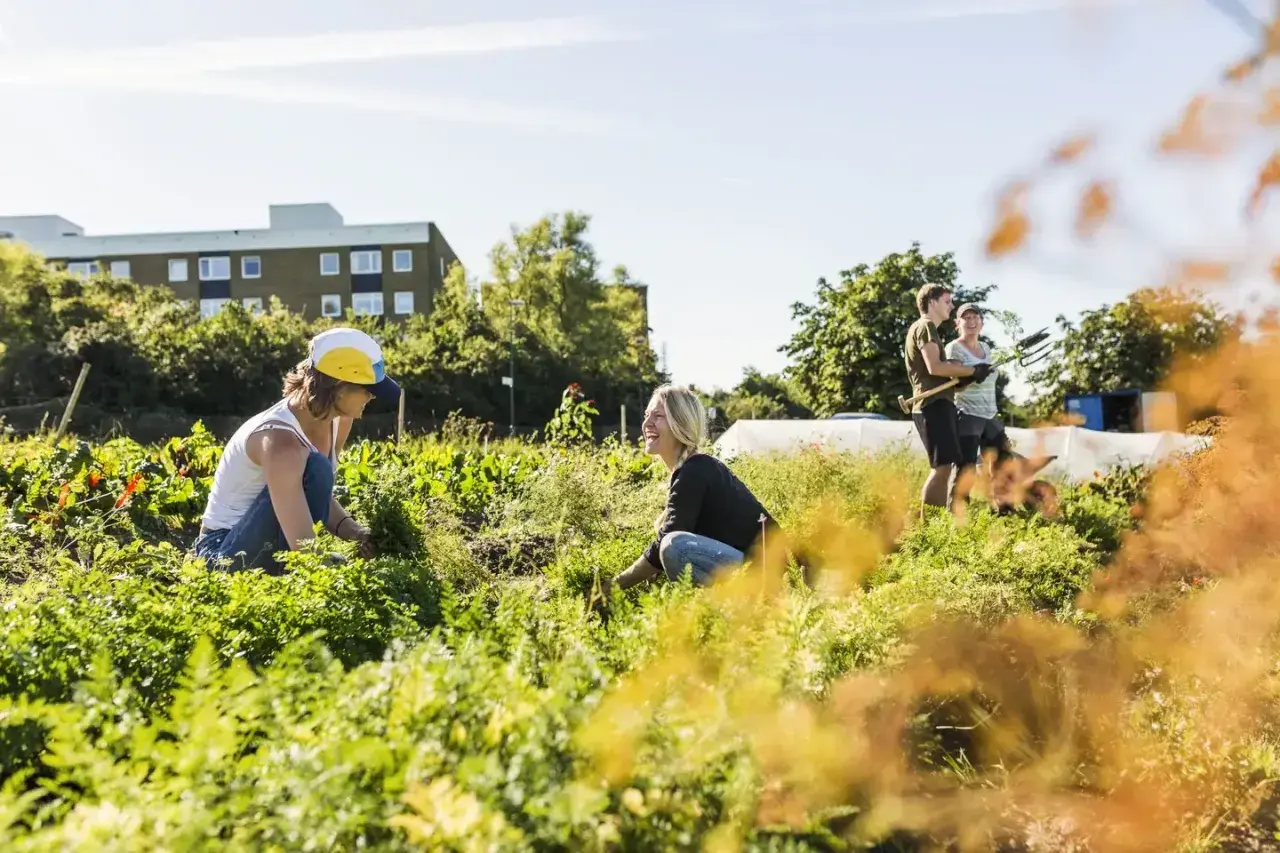
The practical range of volunteer service at a glance
- Direct service puts you face to face with people through tutoring, meal support, mentoring, or companionship.
- Behind-the-scenes roles help nonprofits run smoothly through sorting, admin, scheduling, and outreach.
- Skilled volunteering can deliver outsized value when you donate professional expertise such as design, tech, accounting, or legal help.
- One-off events are the easiest entry point, but recurring roles usually create the strongest long-term impact.
- U.S. volunteer opportunities are often easiest to find through schools, food programs, parks, shelters, and structured platforms like AmeriCorps or Volunteer.gov.
What community service usually includes
In the United States, community service usually means unpaid work that benefits a neighborhood, public institution, or nonprofit. It can be informal, like helping at a school fair, or highly structured, like a recurring volunteer role with training and a supervisor. What matters is not the label but the outcome: service should reduce pressure on an organization or make life easier for the people it serves.
I usually separate service into two buckets. One is direct support, where you work face to face with people. The other is infrastructure support, where you handle the less visible work that keeps a program running. That distinction matters because many volunteers assume only the front line counts, when in practice the behind-the-scenes jobs often carry the biggest load. Once that is clear, it becomes much easier to compare the main options side by side.
The main ways volunteers usually contribute
| Type | What it looks like | Best for | Typical commitment | Why it matters |
|---|---|---|---|---|
| Direct service | Tutoring, meal service, mentoring, companionship, reading help | People who like direct interaction | 2 to 4 hours a week or a one-day shift | Creates immediate human connection and visible support |
| Behind-the-scenes support | Sorting donations, data entry, phone calls, scheduling, packing supplies | People with limited public-facing time | 1 to 3 hours a week | Keeps staff focused on the work that only staff can do |
| Skilled volunteering | Graphic design, bookkeeping, web help, grant writing, legal guidance | Professionals or experienced retirees | Project-based or short bursts | Can save a nonprofit real money and improve quality fast |
| Event-based service | Fundraisers, school events, food drives, community fairs, park days | People who want occasional involvement | 2 to 6 hours per event | Easy entry point and useful when many hands are needed at once |
| Virtual volunteering | Remote admin, online tutoring, transcription, digital outreach, social media support | People with transportation or schedule limits | Flexible, often weekly or project-based | Opens service to people who cannot travel regularly |
| Civic and public-space service | Park cleanup, trail work, neighborhood beautification, litter pickup, food rescue | People who want visible local results | Monthly or project-based | Improves places everyone uses, not just one organization |
There is one more category worth keeping in mind: disaster response and recovery. After storms, fires, or other emergencies, the most useful volunteers are usually the ones who work through established relief groups, follow safety rules, and accept a defined task instead of inventing one. The next question is which of these roles actually fits your life without burning you out.
How to choose the right role for your schedule and strengths
I look at volunteer roles the same way I would look at any serious commitment: by checking the real constraints first. Time, transportation, physical stamina, comfort with people, and tolerance for repetition all matter. A role that sounds inspiring on paper can become a bad fit if it asks for energy you do not actually have.
- Start with the need, not the activity you personally enjoy.
- Match the schedule to your reality. One-off events often take 2 to 6 hours; recurring roles may need 1 to 4 hours each week.
- Be honest about physical demands and emotional load.
- Choose a role with clear supervision, training, and a defined task.
- Ask how success is measured, especially if the work is part of a school, court, or employer requirement.
The strongest placements are usually the ones that are simple to repeat. In practice, I would rather have one dependable volunteer who returns every Thursday than five people who show up once and disappear. That reliability leads directly into the harder question: what makes the work genuinely useful instead of merely well intentioned?
What makes service actually useful
The best volunteer work is specific, requested, and repeatable. If an organization asks for help sorting donations, then sorting donations is useful. If it asks for someone to greet families, then greeting families is useful. The mistake I see most often is volunteers offering the kind of help they want to give rather than the help the organization can absorb.- Do the requested task. Good intentions do not replace a real need.
- Finish what you start. A partially completed project can create more work than no help at all.
- Follow training. Even simple roles can go wrong if you skip the process.
- Avoid performative choices. Highly visible tasks are not always the most important ones.
- Respect the community’s lead. People closest to the problem usually know what support actually helps.
There are also a few common mistakes that look minor but matter a lot. People often bring unrequested donations, overcommit to too many shifts, or volunteer once and expect to be treated as fully integrated. They also underestimate how much coordination a “simple” role can require. Once you start thinking in terms of usefulness rather than visibility, the local settings around you become easier to evaluate.
Where volunteers are needed most in the U.S.
Some of the most consistent U.S. service opportunities are food banks, after-school tutoring programs, neighborhood cleanup crews, animal shelters, libraries, parks, and senior support services. For structured placements, AmeriCorps and Volunteer.gov are still practical starting points because they surface opportunities where time, supervision, and mission are usually clearer than in casual one-off requests.
- Schools and libraries need reading help, tutoring, event support, and student mentorship.
- Food programs need sorting, packing, serving, delivery, and inventory help.
- Parks and public lands need trail maintenance, litter pickup, visitor support, and restoration work.
- Shelters and outreach groups need intake help, laundry, admin support, and steady companionship roles.
- Community events need setup, registration, translation, crowd guidance, and cleanup.
- Online service helps smaller nonprofits with remote admin, outreach, and digital tasks.
Context matters here. A neighborhood cleanup may be the right choice in one place, while a hotline support role or remote admin task may matter more somewhere else. In emergencies, the same rule applies even more strongly: the best help is coordinated help, not spontaneous self-deployment. Once you find a setting that fits, the last challenge is turning that first shift into something that lasts.
Turning one shift into lasting local impact
The most durable volunteer habits usually start small. Pick one role, commit to one month, and treat the first few shifts as a learning period. That gives you enough time to understand the organization’s rhythm without locking yourself into a role that turns out to be a poor fit.
After your first month, ask three questions: Did the task feel useful, did the organization communicate clearly, and could I realistically keep doing this? If the answer is yes, stay. If not, change the setting instead of quitting service altogether. I think that is the point many people miss: the goal is not to do every kind of service, but to find the one or two that you can sustain without resentment. That is usually where volunteer work stops being a nice idea and starts becoming real community capacity.
