
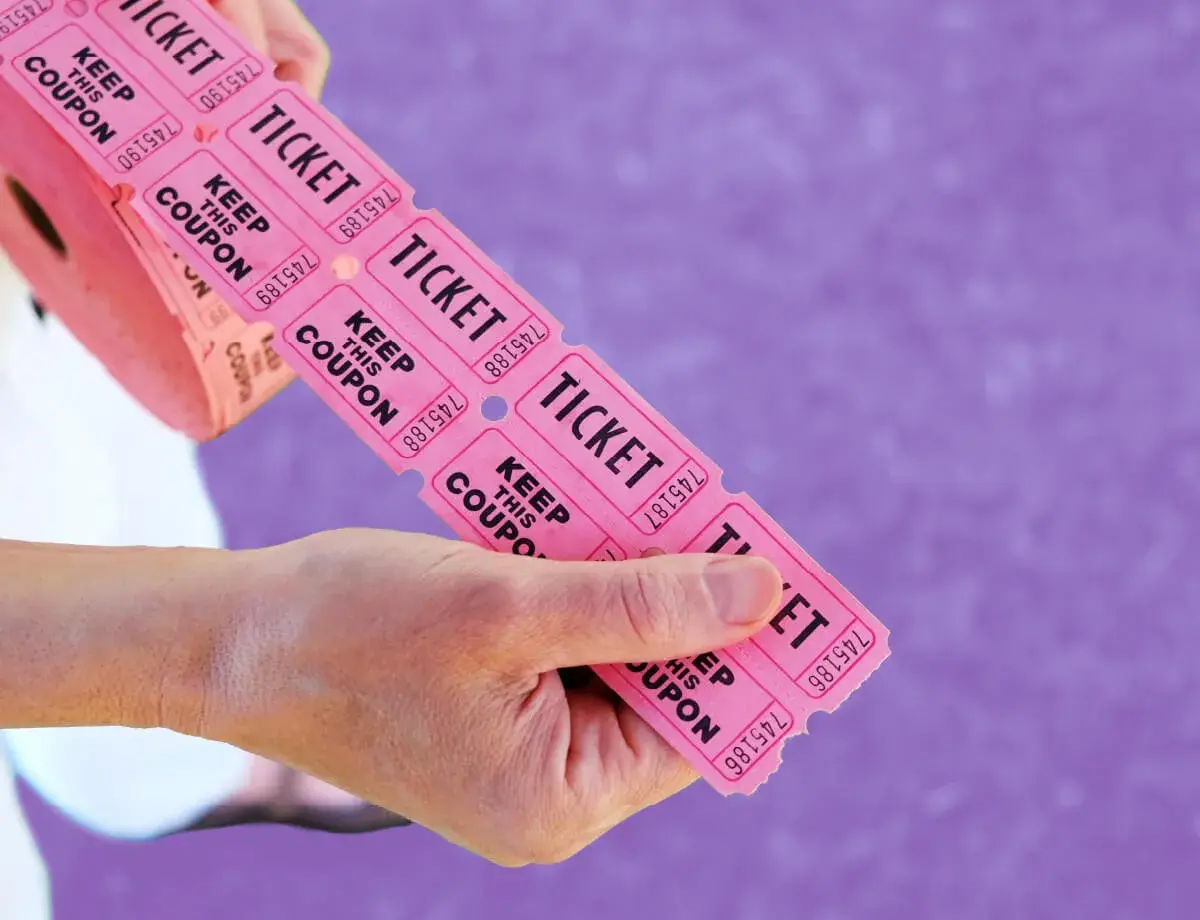
Premium raffle prizes can do more than add excitement: they can lift attendance, increase ticket sales, and give a fundraiser a clearer story. The point of big ticket raffle items is not to impress people with price alone, but to offer something that feels rare, useful, and worth the chance of winning. In a community event, that usually means balancing appeal, mission fit, and the real cost of delivering the prize.
What matters most when you choose premium raffle prizes
- The strongest prizes combine high perceived value with low friction for the winner.
- Travel, electronics, VIP experiences, and donated local packages usually move tickets fastest.
- A good headline prize should feel exciting enough to justify the ticket price, but not so costly that it eats the margin.
- In the U.S., raffle rules, permits, and tax reporting can vary by state and prize value.
- Mission-aligned prizes tend to perform better than flashy items that feel disconnected from the event.
- The hidden costs are often shipping, storage, insurance, transfer fees, and fulfillment time.
What makes a premium raffle prize actually sell tickets
When I evaluate a raffle prize, I start with one question: would a supporter understand its value in five seconds? If the answer is yes, the item already has a better chance of selling tickets than something that is technically expensive but hard to picture. People rarely buy raffle tickets because they want a product catalog; they buy because they can instantly imagine the payoff.Perceived value matters more than retail math. A $1,200 prize can outperform a $3,000 item if it feels more usable, more desirable, or more likely to fit the audience’s life. That is why a weekend getaway, a high-end kitchen package, or a VIP event experience can often feel bigger than a generic luxury object with a higher sticker price.
Perceived value matters more than retail math
A prize sells when it feels like a treat, not an obligation. The item should create a small emotional shortcut: “I could really use that,” “I have wanted that for a while,” or “That would be a memorable win.” That emotional response is what turns curiosity into ticket sales.
The best prize feels easy to picture
Strong raffle items have a simple story. A spa weekend, concert package, premium grill set, or travel voucher is easy to explain at the registration table. By contrast, a prize that needs a long pitch usually weakens the sales conversation. The more you have to explain, the less naturally it sells.
Read Also: Raffle Rules: Avoid Legal Traps & Run a Lawful Fundraiser
Audience fit beats generic luxury
What feels premium to one crowd can feel irrelevant to another. A luxury baby gear bundle may be perfect for a family-centered event, while a golf package or sports getaway might be stronger at a corporate fundraiser. I like to match the prize to the people in the room, not to some abstract idea of “expensive.”
Once the value story is clear, the next decision is the prize mix itself, because the category you choose will shape both ticket sales and your operating budget.

The prize categories that usually perform best
If I had to narrow premium raffle prizes down to the categories that usually create the most buzz, I would start with experiences, travel, and high-recognition consumer goods. These items work because they feel aspirational, easy to explain, and hard to ignore from across the room. For community events, that combination matters more than raw retail value.
| Prize category | Why it works | Best fit | Main caution |
|---|---|---|---|
| Travel package | Aspirational, broad appeal, instantly understandable | Gala events, donor-heavy raffles, destination audiences | Blackout dates, expiration rules, taxes, and fulfillment details |
| Electronics and smart home gear | Clear market value and strong universal recognition | Mixed-age crowds, school fundraisers, workplace events | Retail discounts can reduce the real value if bought at full price |
| VIP experiences | Memorable, social, and often less expensive to deliver than physical goods | Arts, sports, entertainment, and younger donor bases | Scheduling, access, and partner coordination matter a lot |
| Home and lifestyle upgrades | Feels practical, premium, and easy to imagine using | Family-oriented community events | Bulky items can create storage and delivery headaches |
| Vehicle or mobility prize | Big visual impact and strong headline energy | Large sponsor-backed campaigns | Insurance, title transfer, local regulations, and higher fulfillment complexity |
| Local service bundle | Mission-friendly and easy to source through partnerships | Neighborhood nonprofits and civic organizations | It has to feel genuinely premium, not like leftover filler |
The sweet spot for many community fundraisers is a prize that feels worth several hundred dollars at minimum, with the strongest events moving into the low-thousands or beyond. I usually think in ranges, not absolutes, because audience size and sponsor support change the equation fast. Once you know which category fits your crowd, the real work is making the numbers add up.
How to budget so the prize increases net revenue
A raffle only works if the prize helps the event earn more than it costs. That sounds obvious, but it is where many organizers slip: they get excited by the item, then forget to account for shipping, storage, staff time, insurance, payment processing, and tax paperwork. The result is a prize that looks impressive and behaves like a budget leak.
Here is the planning range I like to use when the goal is fundraising rather than pure spectacle. These are not rules, just practical bands that keep the event realistic.
| Event size | Typical ticket price | Suggested top prize value | Supporting prizes |
|---|---|---|---|
| Small community raffle | $5 to $20 | $250 to $1,000 | 1 to 2 smaller prizes |
| Mid-size nonprofit event | $20 to $50 | $1,000 to $5,000 | 2 to 4 secondary prizes |
| Large gala or hybrid auction | $50 to $100+ or bundle pricing | $5,000 to $15,000+ | Multiple draw points or tiered prize levels |
If you are buying the item outright, I want to see a clear path to covering that expense several times over. For example, a raffle that sells 500 tickets at $25 brings in $12,500 gross. A donated $3,000 vacation package, plus a few smaller prizes and modest fulfillment costs, can leave a healthy margin. A purchased prize of the same value can still work, but only if the ticket volume is truly there.
- Watch the hidden costs. Travel vouchers can expire, large items may require freight or delivery, and some prizes need insurance or title transfer.
- Use donations and consignment where possible. A sponsor-donated prize or a carefully structured package usually protects more of the event’s margin.
- Bundle strategically. One headline prize plus a few smaller, cheaper prizes often performs better than a single oversized item.
Once the budget is in a sensible range, the legal and tax details become the next thing that can either keep the event clean or create avoidable trouble.
What U.S. organizers need to verify before the drawing
In the United States, raffle rules are not one-size-fits-all. State and local laws can affect whether your organization can run the raffle, what permits are required, how the drawing must be handled, and whether the prize can be advertised in a certain way. If I were organizing a public fundraiser, I would verify the rules before announcing the prize, not after the tickets are already printed.
- Check charitable gaming rules first. Some states require a permit, registration, or a specific nonprofit status before a raffle can be promoted.
- Be precise about the terms. State the drawing date, eligibility rules, age restrictions, and whether the prize is transferable.
- Document fair market value. For noncash prizes such as travel, cars, or high-end goods, the value matters for reporting and tax purposes.
- Expect tax reporting on larger wins. The IRS generally treats raffle winnings as gambling winnings, and some prizes can trigger Form W-2G and federal withholding depending on value and prize type.
- Prepare the winner for tax impact. If the prize is noncash, the winner may owe tax on the fair market value even if the item was donated to the event.
The practical takeaway is simple: a great prize still needs clean paperwork. Once the compliance side is under control, the final step is making sure the item feels like it belongs to the mission rather than sitting on top of it.
How to keep a high-value prize aligned with your mission
The strongest premium raffle prizes do not feel random. They feel like part of the organization’s identity. That matters for community events and social-good fundraisers, because supporters want to feel that their money is doing more than chasing luxury; they want to feel that it is advancing something they care about.
I have seen this work especially well when the prize comes from a local business, a trusted sponsor, or a service that genuinely improves daily life. A weekend stay at a local inn, a family photography session, a home-cleaning package, or a dining-and-entertainment bundle can feel more meaningful than a generic high-dollar item with no local story. The prize still needs to excite people, but it also needs to make sense in the world the event is trying to support.
- Choose items with a local connection. A community-made package often feels warmer and more credible than a flashy item with no story.
- Think in terms of usefulness and delight. The best prizes solve a problem, create a memory, or do both.
- Avoid tone-deaf luxury. At a mission-driven event, an overly extravagant item can feel disconnected if it does not match the audience.
- Make the prize easy to explain in one line. If the volunteer at the front table can describe it instantly, you are in good shape.
My rule is straightforward: if the prize feels like something a supporter could genuinely imagine using, gifting, or enjoying without regret, it has a better shot at moving tickets than something that simply looks expensive. In the end, the most effective premium raffle prize is the one that raises money, respects the audience, and keeps the fundraiser aligned with the cause it is meant to serve.
