
The strongest workplace fall events keep the format simple, seasonal, and easy to join
- Build around one main activity, then add one or two low-friction side stations so people are not overwhelmed.
- Plan for roughly $10-$25 per person for a polished small-to-mid-size event, with DIY options costing less.
- Use food, drinks, and décor to support the atmosphere, not carry the entire experience.
- Make inclusion practical: label food, offer seated options, and keep weather and accessibility backups ready.
- If you want a social-good angle, add a small donation drive or silent auction without making it feel mandatory.
What people really want from a workplace fall festival
When I plan a company autumn event, I start by assuming people want three things: a break from routine, a reason to talk to coworkers they do not see every day, and a schedule that does not demand performance from introverts. That is why I treat seasonal event planning less like entertainment design and more like friction removal. If employees can understand the event in 30 seconds and participate in under five minutes, attendance usually gets easier.In a U.S. workplace, the safest version is often seasonal rather than heavily Halloween-themed unless your team has already said it wants costumes, spooky decor, or a more playful tone. A fall festival works best when it feels welcoming across departments, ages, and comfort levels. I also find that the event is stronger when it has one clear social purpose, such as team connection, appreciation, or community giving, instead of trying to be everything at once.
Once that goal is clear, choosing the right activities becomes much easier and the event starts to feel intentional instead of crowded.

Seasonal activities that get adults participating, not just watching
The best activities for an office fall festival are the ones that create movement, conversation, or a small sense of competition without requiring special skills. I usually recommend one “maker” activity, one “talker” activity, and one “movement” activity. That mix gives different personality types a way in, which matters more than flashy decor ever will.
| Activity | Why it works | Setup level | Typical cost per person |
|---|---|---|---|
| Pumpkin decorating bar | Easy entry point, visual payoff, good for all skill levels | Low to medium | $8-$15 |
| Harvest trivia or bingo | Cheap, fast, and friendly for mixed departments or hybrid teams | Low | $0-$3 |
| Team scavenger hunt | Gets people moving and mixing across teams | Medium | $0-$5 |
| Cider and snack tasting | Creates a social center and fits the season without much production | Low to medium | $4-$10 |
| Craft-and-give station | Adds a community-minded element without slowing the event down | Low | $2-$6 |
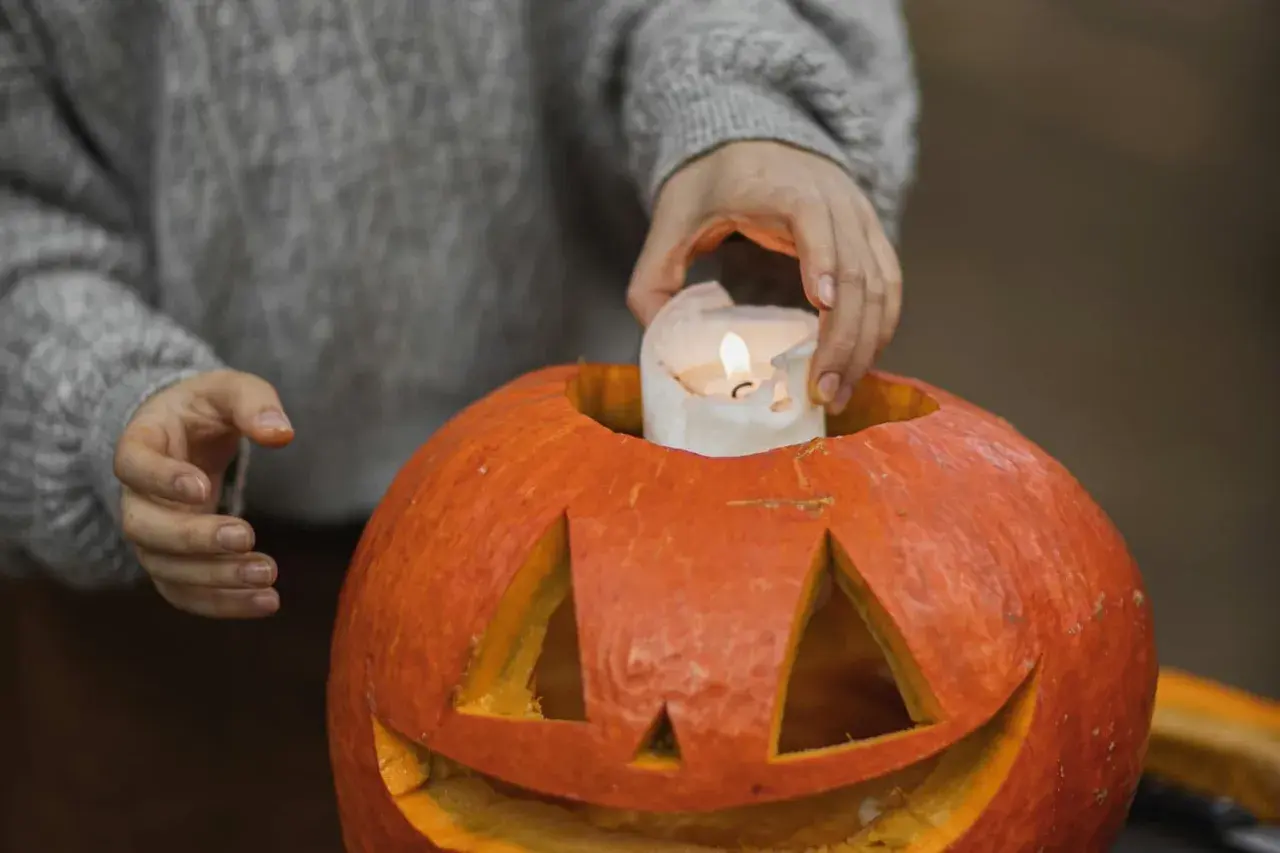
I like pumpkin decorating because it gives the room a visible anchor and a natural conversation starter. Trivia works well because it does not punish people who do not want to compete physically. A scavenger hunt is better when you have a larger floor plan, a campus, or a venue with multiple rooms, because it gives the event energy without forcing everyone to stand in one place. If your team is small, a decorated table, a cider station, and one short game are usually enough.
The mistake I see most often is overbooking the schedule. If you stack too many stations, people spend the afternoon deciding where to go instead of actually enjoying themselves. Keep the menu of options small, and the event feels easier from the first minute to the last.
After the activities are set, the food and atmosphere need to do their part, because that is what makes the experience feel finished.
Food, drinks, and atmosphere that make the event feel intentional
I try to design the room in layers: scent, seating, sound, and light. A workplace festival does not need to look expensive, but it should feel considered. One warm savory item, one dessert option, and one nonalcoholic signature drink go a long way. Think chili, soup cups, mini sliders, apple cider, doughnuts, caramel apples, or a dessert bar that people can approach without waiting ten minutes in line.
If you are serving a mixed group, labels matter. Mark vegan, vegetarian, gluten-free, nut-free, and dairy-free items clearly so employees do not have to ask three different people what is safe to eat. I also like to place the drink station away from the main traffic path, especially if hot beverages are involved. That small decision prevents spills, bottlenecks, and a surprising amount of stress.
For décor, I keep the budget disciplined. In most office settings, I would rather see a few larger seasonal touches than a dozen tiny props scattered everywhere. Mums, string lights, plaid runners, paper leaves, and a clean backdrop for photos usually do more than plastic clutter ever will. If you use hay bales, candles, or open flames, check venue rules first and make sure nothing blocks an exit. Good atmosphere should support the event, not create new safety issues.
Once the room feels right, the next job is planning the day so the team running it does not spend the event putting out small fires.
A planning process that keeps the day calm
The cleanest workplace events usually start with a simple question: what is this festival supposed to do? If the answer is appreciation, connection, or employee morale, then every decision should support that goal. I would rather see one clear experience executed well than five half-finished ideas fighting for attention.
| Event size | Planning window | Best fit |
|---|---|---|
| Under 30 employees | 2-4 weeks | In-office setup, DIY stations, one food order |
| 30-100 employees | 4-6 weeks | Two activity zones, simple registration, outside caterer |
| 100+ employees | 8-10 weeks | Venue booking, volunteer roles, check-in flow, weather backup |
- Choose one main objective, such as celebration, retention, or cross-team connection.
- Set the headcount early so you can size food, space, and supplies correctly.
- Decide whether the event is indoor, outdoor, or hybrid, then build a backup plan for weather.
- Assign specific owners for food, décor, activities, check-in, and cleanup.
- Publish the schedule before the event so employees know what is worth arriving for and when.
- Keep the run-of-show short and visible so the team managing the event can adapt if anything slips.
If you add a raffle or auction, keep that piece separate from the core festival flow. Once fundraising becomes the main focus, the atmosphere changes fast and employees stop feeling like guests. A better approach is to make the festival enjoyable first, then layer in any fundraising element as an optional extra.
That leads directly to the part many planners skip: the choices that make the event inclusive enough for everyone to actually enjoy it.
How to keep the event inclusive, safe, and genuinely comfortable
An office fall festival fails when it quietly assumes everyone has the same schedule, the same food preferences, the same mobility, and the same relationship to holiday culture. I prefer to remove those assumptions up front. That usually means offering one seated activity, one standing activity, one quiet corner, and one nonalcoholic beverage that feels special rather than like an afterthought.
- Make attendance free or clearly company-paid so cost does not block participation.
- Label food and ingredients, especially if there are common allergens or mixed dietary needs.
- Keep costumes optional, not expected, unless your team has already agreed on that tone.
- Check accessibility for entrances, restrooms, pathways, and seating before the event day.
- Offer a low-noise zone for employees who want to talk without music in the background.
- Use a weather plan for outdoor events, including shade, heaters, tents, or an indoor fallback.
- If families are invited, separate kid-centered activities from the main employee gathering so neither group feels squeezed.
Safety details matter more than most people admit. If you are carving pumpkins, provide gloves and proper tools, not kitchen knives from the break room. If you are using power cords, tape them down. If your event is outdoors, think about mud, parking, lighting, and a wet-weather entrance. None of that is glamorous, but it is the difference between a smooth afternoon and an avoidable headache.
Once the event is comfortable for the whole team, it becomes easier to add a social-good layer that feels authentic instead of decorative.
Add a giving or auction element without turning the festival into a fundraiser
Because this site cares about community impact, I like the idea of pairing a workplace fall festival with a simple charitable component. The key is restraint. Employees should feel invited to participate, not cornered into giving. A small silent auction, a raffle, or a donation drive can work well if the beneficiary is clear and the mechanics are simple.
| Format | Best use | Pros | Watch-outs |
|---|---|---|---|
| Silent auction | Donated gift cards, experiences, or employee-made items | Flexible, social, and good for higher-value items | Needs item tracking and a checkout process |
| Raffle | Broad participation with small prizes | Fast, easy to explain, simple to run | Raffle rules can vary by state, so check local requirements first |
| Donation drive | Food banks, school supplies, winter coats, pet shelters | Direct community benefit and easy to align with company values | Needs a real beneficiary and a clear pickup plan |
If I were building this for a company event, I would choose one beneficiary, one visible goal, and one place for people to contribute. A donation wall, a small bid table, or a matching-gifts announcement is usually enough. The point is not to turn the festival into a campaign; the point is to let employees feel that a cheerful event can also do some good in the community.
That balance is what makes the format worth repeating, because people remember both the atmosphere and the purpose behind it.
A repeatable format I would use for most teams
If I had to build one fall workplace event template that works in most offices, I would keep it very close to this: one activity people can finish in 10 to 15 minutes, one food and drink anchor, one photo moment, and one optional giving piece. For a team of 25, that could be pumpkin decorating, cider, and a simple prize table in a single room. For 75, I would add a scavenger hunt or trivia round and split the room into zones. For 200, I would use registration, staggered arrival windows, and a more formal floor plan so the event does not feel crowded.
I would also keep the event length tight. Ninety minutes is enough for a small office; two hours is usually the sweet spot for a larger group. Longer than that, and even good activities start to feel stretched. The strongest workplace celebrations are not the biggest ones. They are the ones that respect people’s time, make participation feel easy, and leave room for a few genuine conversations before everyone heads back to work.
