
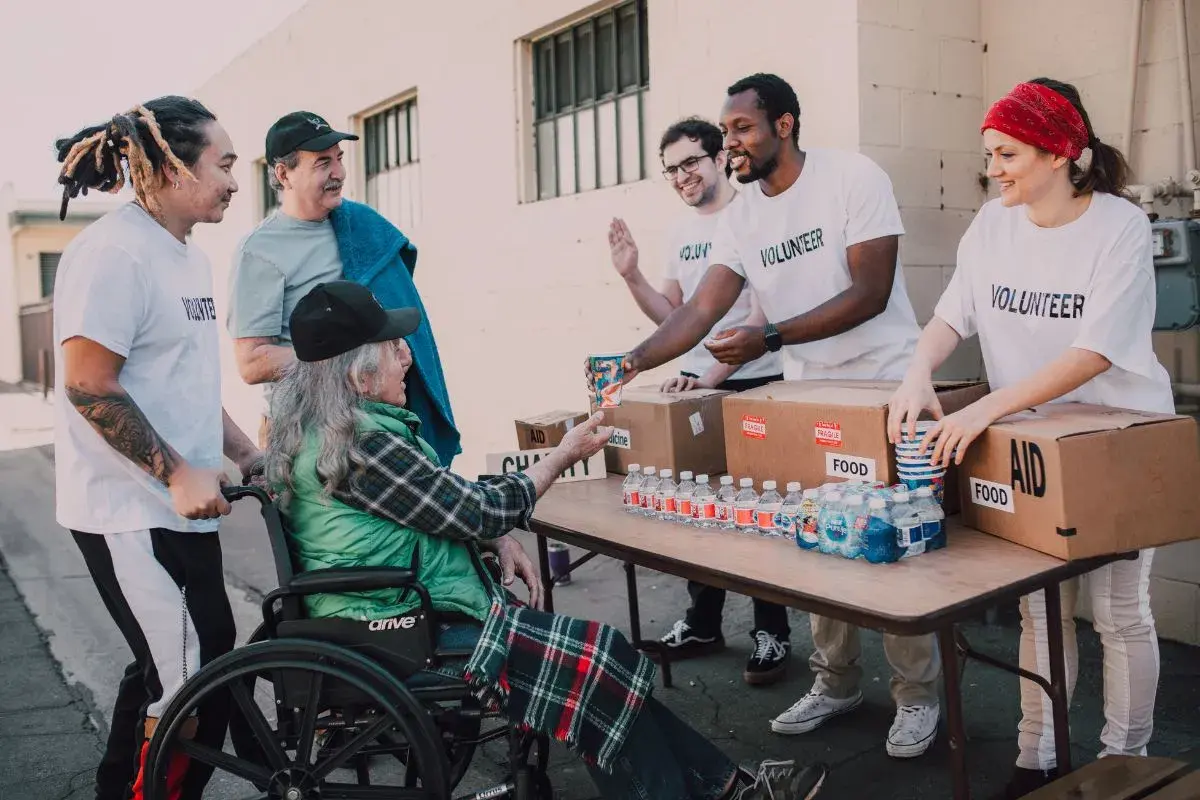
When I think about shelter volunteering, I think about consistency more than heroics. A homeless shelter volunteer often fills the small gaps that keep a busy program functioning: serving meals, greeting guests, sorting donations, handling phones, and helping staff preserve a calm, orderly space. This article walks through what the work looks like, how U.S. shelters screen volunteers, which roles fit different schedules and temperaments, and the boundaries that matter if you want to be helpful without getting in the way.
The need is not abstract. HUD reported 771,480 people experiencing homelessness on a single night in January 2024, and sheltered homelessness rose 25 percent from 2023 to 2024, so the demand for reliable volunteer support is real. I focus on the practical side here because that is where a first-time volunteer can make the fastest, cleanest contribution.
What matters most before you start
- Reliability beats intensity. Shelters need people who show up on time, follow directions, and stay calm.
- Most volunteer work is repetitive on purpose: meals, check-in, sorting, cleanup, admin, and group support.
- Expect some combination of application, orientation, background check, and role-specific training.
- Age limits vary, but 16-plus and 18-plus are both common depending on the task.
- Trauma-informed behavior matters just as much as physical help, because many guests are carrying stress that you cannot see.
- Off-site tasks can be just as valuable as in-shelter shifts if they free staff time and fit your schedule better.

What shelter volunteering actually looks like
In most U.S. shelters, the work is repetitive in the best sense. One shift may mean setting up breakfast service, another may mean checking people in, and another may mean folding towels or inventorying hygiene kits. I like this kind of service because the best volunteer is usually the one who makes the staff’s day easier, not the one who tries to improvise a new system.
The emotional side matters too. Guests are often tired, guarded, or under pressure, so the right volunteer tone is steady and respectful. That is why I think of shelter work as less about “being nice” and more about being predictable, discreet, and useful.
The scale of need explains the pressure on these programs. HUD’s 2024 report shows how quickly sheltered demand has climbed, which is one reason many shelters rely on volunteers for recurring, practical jobs rather than one-off gestures. Once you understand that pace, the next question is how shelters decide who can do which tasks.
How shelters screen and onboard volunteers
Most shelters do not just hand you a badge and send you out. In practice, I expect some version of an application, orientation, background check, and role-specific training. The exact process varies, but the logic is the same: protect guests, protect staff, and make sure the volunteer knows the rules before stepping into a high-trust environment.
- Apply first. Shelters usually want basic contact information, schedule availability, and the type of work you want to do.
- Attend orientation. This is where the program explains its mission, safety rules, confidentiality expectations, and how shifts actually run.
- Complete screening. Many in-shelter roles require a background check, especially if you are 18 or older or working near guests directly.
- Finish role-specific training. Some jobs need a shadow shift, kitchen walkthrough, or extra instructions before you can start.
Many programs also use a trauma-informed onboarding model. The National Health Care for the Homeless Council recommends that trauma training be part of orientation for new staff and volunteers, which makes sense to me: people in shelters have often experienced violence, loss, or repeated instability, and staff need volunteers who can work without escalating that stress.
Age rules vary too. In many U.S. shelters, 16-plus is common for lighter support tasks, while 18-plus is common for direct guest-facing or front-desk roles. Some programs allow teens only with an adult, and some keep group sizes small so the space does not get crowded. After that screening layer, the real choice becomes matching the role to your personality and schedule.
Choosing the right role for your schedule and temperament
I put shelter volunteer jobs into two buckets: tasks that keep the building running and tasks that directly shape the guest experience. Both matter, but they ask different things from you. If you are new, I usually recommend starting with the task that has the clearest script and the least room for improvisation.
| Role | What it usually involves | Typical fit | Typical access |
|---|---|---|---|
| Meal service | Prep, serving, cleanup, restocking, and basic kitchen support | People who like clear steps and can stay on their feet | Often 16-plus or 18-plus, with small groups of about 5 to 10 common on-site |
| Front desk or intake support | Greeting, phones, check-in, basic admin, and keeping flow organized | Calm, detail-oriented volunteers | Usually 18-plus and background screened |
| Donation sorting | Sorting, labeling, packing hygiene kits, and organizing storage | Volunteers who want lower-pressure, behind-the-scenes work | Often flexible and sometimes open to teens |
| Group meal prep | Cooking off-site or assembling bagged lunches for later delivery | Churches, schools, workplaces, families, and friend groups | Good when on-site space is limited or the shelter prefers off-site help |
| Administrative help | Data entry, calls, mail, scheduling, and communications support | People who prefer quiet, repeatable tasks | Often best for recurring volunteers |
I use that table as a filter, not a promise. A shelter may open one job to teens, keep another for adults only, or reserve group shifts for days when the kitchen can actually handle them. If you can only give a few hours a month, off-site work can still be valuable. If you can return weekly, staff usually notice the difference quickly because they do not have to reteach the same process every time.
That consistency is often more valuable than a larger but irregular time commitment. Once the role is clear, the next issue is how you behave once you are inside the program.
Boundaries that keep the work useful and respectful
This is the part I care about most, because good intentions can still create problems. A shelter is not a place to act like a rescuer, a counselor, or a reporter. The job is to support the system already in place, not to invent a relationship with guests or override staff decisions.
Read Also: Find Real Impact: DEI Volunteer Opportunities That Matter
Trauma-informed care in plain English
Trauma-informed means I assume many guests have lived through harm and that the interaction should protect safety, choice, and control. In practice, that means I explain what I am doing, ask before touching belongings, avoid pressing for personal stories, and keep my tone even when the room feels tense.
- I do not promise housing, legal help, or faster service I cannot provide.
- I do not give rides, money, or personal contact details to guests.
- I do not photograph, film, or post about guests without explicit permission from the shelter.
- I keep guest information confidential, even when the details seem harmless.
- I defer to staff on discipline, rule enforcement, and conflict handling.
- I avoid asking intrusive “why” questions when a practical “what do you need right now?” will do.
I also think volunteers should remember that shelter rules exist for a reason. If a guest is upset, the volunteer’s job is not to win the argument; it is to keep the environment safe, then hand the issue to staff. That mindset keeps the work respectful and protects everyone in the room. Once those boundaries are second nature, the real question is whether in-person shelter work is the right place to spend your time.
When in-person help is the right fit and when another kind is better
Not everyone is built for direct shelter work, and that is fine. If crowded rooms, conflict, or emotionally heavy conversations leave you drained for days, an off-site role may do more good and do it more sustainably. I would rather have someone sort donations every Saturday than burn out after one intense front-desk shift.
| Option | Best for | Trade-off |
|---|---|---|
| In-person weekly shift | People who want continuity and guest contact | Needs punctuality, training, and emotional steadiness |
| Group meal prep or donation drive | Churches, workplaces, schools, and families | Less direct contact, but easier to scale |
| Donation sorting or packing | Volunteers who prefer behind-the-scenes work | Can feel less visible, but frees staff time immediately |
| Administrative support | People who are organized and prefer low-drama tasks | Usually requires a more regular commitment |
The best option is the one you can repeat without resentment. I see one-time help as useful, but I see dependable recurring help as the backbone of a strong shelter program. If you can only help occasionally, choose a role that is light on training and heavy on practical output. If you want to build trust with a program, choose the role you can keep doing.
That leads to the last piece: how to prepare so your first shift is smooth instead of awkward.
What I would check before the first shift
Before I walk into a shelter for the first time, I want five things clear: where to go, who to report to, what to wear, what not to bring, and what happens if I need to cancel. That sounds basic, but those small details prevent most first-shift mistakes.
- Confirm the arrival time, parking, and exact entrance.
- Wear closed-toe shoes and clothes you can clean.
- Bring only what is asked for, not extra donations or personal items for guests.
- Read the confidentiality and photo rules before you arrive.
- Plan to arrive 10 to 15 minutes early and stay for the full shift.
I also recommend asking one direct question after the shift: what should I do differently next time? That one habit turns a one-time helper into someone the shelter can actually rely on, and that is the standard I would aim for.
