
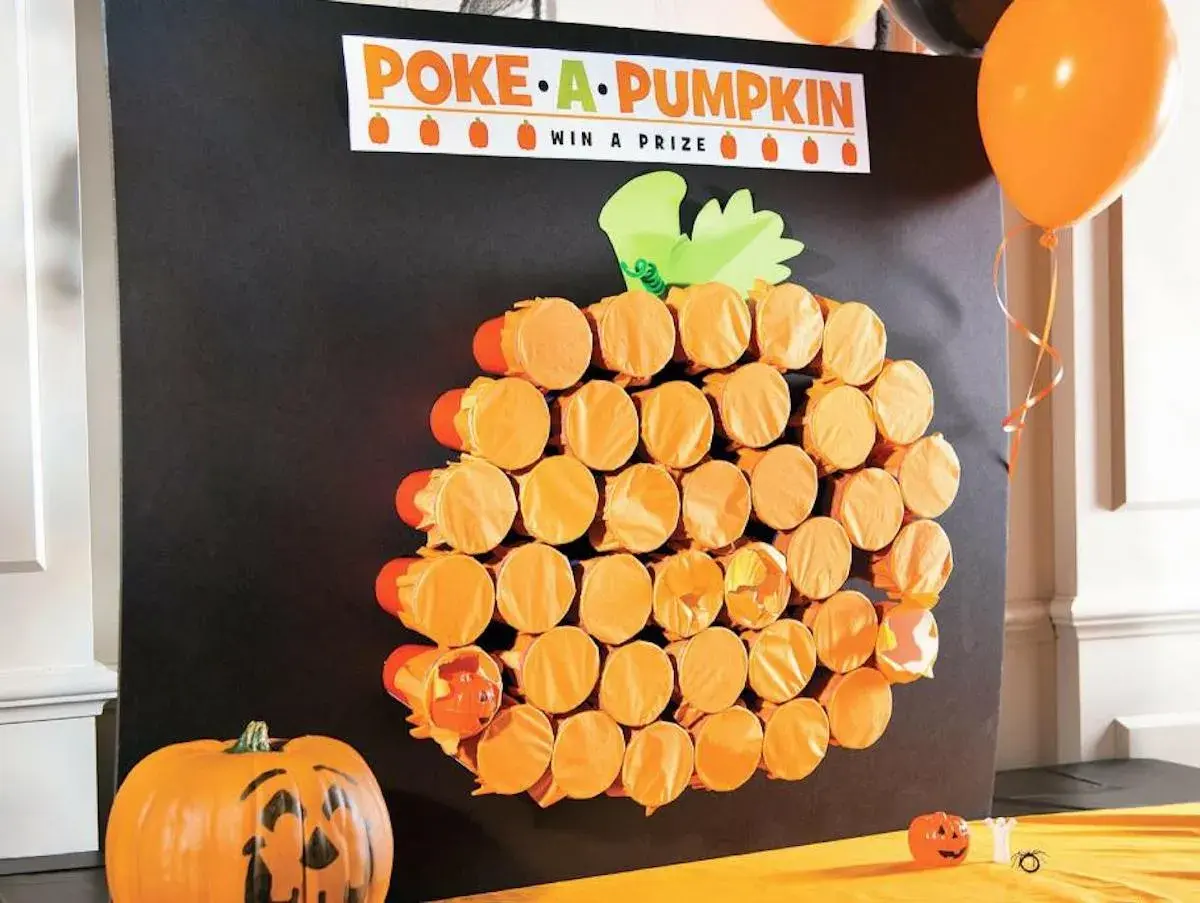
A good adult fall festival is less about packed schedules and more about creating a night people want to linger in. The best fall festival ideas for adults balance food, atmosphere, and one or two strong reasons to bid, donate, or stay for another hour. In this guide, I focus on the kinds of activities, auction formats, and planning details that work especially well for community events and fundraisers.
Key takeaways for a fall event people will actually stay for
- Adults stay longer when the event has three clear anchors: something to eat or drink, something to do, and something worth supporting.
- A silent auction works best when guests can browse on their phones and reach the items naturally as they move through the space.
- Five to seven well-run stations usually outperform a crowded layout with too many weak attractions.
- Experience-based auction items often beat random merchandise because they feel useful, memorable, and easier to justify.
- A visible mission moment matters more than most organizers expect, especially for a nonprofit or community-centered event.
What adults actually want from a fall festival
When I plan for adults, I think about pacing before I think about novelty. People are not coming for inflatable games; they are coming for conversation, seasonal food, music, and a night that feels deliberate rather than thrown together. The strongest adult festivals usually make the evening feel easy to enter, easy to enjoy, and easy to support.
The pattern is consistent: adults stay when the event has rhythm, not noise. In practice, that means a clear arrival point, a few social focal points, and one visible way to contribute without being cornered. If the room feels crowded but not chaotic, guests settle in faster and spend more time with the cause, the people around them, and the auction table.
- Arrival should be simple: visible parking, clear signage, and a welcome moment in the first minute.
- Connection should be natural: music, tastings, and activities that give strangers something to talk about.
- Contribution should feel specific: a named project, a donor goal, or a clear auction item with a real story behind it.
Once you know what keeps adults engaged, the next step is deciding which food, drink, and atmosphere pieces do the heavy lifting.

Food, drink, and atmosphere that feel grown-up
Food and drink do more than feed guests; they set the social temperature. If the menu feels thoughtful, the whole event feels more adult. I usually build around one comfort item, one shareable item, and one premium option, because that gives people choice without making the operation messy.
A good seasonal menu might include a chili bar with toppings, a cider-and-mocktail station, a local dessert table, or a small food-truck row with short menus. If alcohol is part of the event, keep it focused. A beer-and-cider tasting lane, a single signature cocktail, or a wine station is usually more polished than a sprawling bar with long waits. A tasting format also helps with cost control because it limits waste and keeps guests moving.
- Chili or soup bar with toppings for an easy comfort-food anchor.
- Seasonal mocktail and cider station so non-drinkers do not feel like afterthoughts.
- Local bakery or dessert table for a strong late-evening draw.
- Food trucks with short menus to reduce lines and confusion.
- Hot coffee, spiced tea, or hot chocolate for colder nights.
- String lights, lanterns, and warm uplighting to create the right mood without overdecorating.
I would rather see four excellent stations and a few comfortable seating clusters than ten mediocre tables. The same goes for atmosphere: a handful of lighting cues, a clear pathway, and enough places to stand and talk will do more than a wall of generic fall decor. From there, the event becomes easier to populate with activities people actually want to join.
Activities that keep people mingling instead of drifting
The best adult activities are social, low-friction, and easy to explain in ten seconds. If guests need a long explanation, they usually pass. I prefer options that let people join late, leave early, and still feel like they participated.
| Activity | Why it works for adults | Setup effort | Best use |
|---|---|---|---|
| Trivia round | Creates teams fast and gives quiet guests a reason to engage | Low | Indoor events, community halls, breweries, or tents with sound |
| Cornhole or shuffleboard bracket | Easy to understand, competitive without feeling intense | Low to medium | Outdoor spaces with room to move |
| Wreath or centerpiece workshop | Guests leave with something useful and seasonal | Medium | Ticketed events with a craft sponsor or florist partner |
| Guided tasting | Turns food and drink into an experience, not just service | Medium | Cider, wine, coffee, chili, or dessert pairings |
| Photo booth | Works as entertainment and promotion at the same time | Low | Any event that wants shareable content and donor visibility |
| Mission station | Lets guests do a small act of service while they socialize | Low | Nonprofit events that want the fun to connect clearly to impact |
| Lantern walk or local history stroll | Creates atmosphere and slows the pace without killing energy | Medium | Historic districts, parks, or campus settings |
| Flannel or costume contest | Simple, photogenic, and easy to sponsor with small prizes | Very low | Casual festivals that want a little humor without a big production |
The prize quality matters more than the game itself. Adults respond to experiences, reserved seating, gift cards, local services, and packages they can actually use; they usually ignore cheap novelty items. If a prize looks like something they would buy themselves, it is probably bid-worthy. That leads naturally to the part many organizers treat as an afterthought: the auction.
How to build an auction into the festival without killing the energy
This is where many fall festivals lose momentum. An auction is useful only when it feels woven into the evening, not bolted on at the end. My rule is simple: use a format that matches the crowd size and the pace of the night, then keep the items visible and easy to understand.
| Format | What it does well | Best for | Watch-outs |
|---|---|---|---|
| Silent or mobile auction | Lets people browse while they mingle and bid without crowding one table | Most adult festivals, especially mixed social groups | Needs clear item descriptions, smart timing, and strong check-in support |
| Live auction | Creates excitement and works well for headline items | One or two high-value packages with a lively host | Can drag if there are too many items or the auctioneer loses the room |
| Paddle raise | Turns emotion into direct support for a specific need | Mission-driven moments with a strong story | Only works when the audience is already warmed up |
| Fixed-price add-ons | Creates fast revenue with no bidding pressure | Wine pulls, dessert walls, merch, or sponsor bundles | Price points must feel fair or people will skip them |
| Raffle | Simple and familiar, especially for smaller prizes | Entry-level fundraising or low-cost donor items | Always check local rules, because raffle regulations vary |
I like a hybrid approach: silent auction for breadth, one live moment for energy, and one mission-driven ask for the part of the room that wants to give beyond bidding. Keep the most desirable items close to the main path, not hidden near the exit, and make sure every package has a short, human description. A date-night bundle, a local getaway, a chef experience, or a service package usually outperforms generic merchandise because it feels personal and useful.
Done well, the auction feels like part of the party rather than a separate fundraising chore, and that makes the whole event easier to enjoy.
The planning details that decide whether the night feels polished or chaotic
The polish of the night comes from operations, not decoration. You can have a strong concept and still lose the room if check-in is slow, the sound is muddy, or there is nowhere to sit once people finish eating. I always treat logistics as part of the guest experience, not as backstage admin.
Very rough planning bands can help with expectations:
| Event tier | What it usually includes | Practical budget range |
|---|---|---|
| Lean community night | Donated venue, volunteer setup, simple lighting, one food partner, small raffle or silent auction | $1,500-$4,000 |
| Mid-scale fundraiser | Tent or indoor venue, paid sound, two or three vendors, mobile auction, DJ or acoustic trio | $5,000-$12,000 |
| Polished ticketed festival | Stronger lighting, branded signage, multiple vendors, full auction experience, photo area, and more staffing | $15,000+ |
- Build a weather backup plan if any part of the event is outdoors.
- Use visible signage so people can find food, restrooms, auction items, and the mission area without asking three different volunteers.
- Leave enough open space for guests to stand and talk, because crowded hallways kill conversation.
- Provide non-alcoholic drinks that look intentional, not like an afterthought.
- Assign one person to the auction, one to guest flow, and one to troubleshooting instead of hoping the whole team will do everything.
- Give the mission itself a face and a number so guests know what their money actually supports.
The most common mistake I see is spending on decor before solving the basics: seating, sound, lighting, traffic flow, and a clean check-in process. If those pieces work, the event feels larger and more successful than the budget suggests. That is why a simple, mission-centered format often beats a complicated one.
The version I would run for a mission-driven community event
If I had to design one version of an adult fall festival for a nonprofit, I would keep it tight: a seasonal welcome drink, an acoustic set, one hands-on activity, a mobile silent auction, and a short stage moment that explains exactly what the money funds. That mix works because it gives people a social reason to come, a sensory reason to stay, and a moral reason to give.
- Open with a welcome drink and a clear mission sign so the evening has direction from the start.
- Keep the main social area near food, music, and the auction so guests do not disappear into separate corners.
- Use one premium experience item as the auction headline rather than spreading attention across too many small pieces.
- Close with a paddle raise or direct ask tied to one specific outcome, not a vague appeal.
When the event is built this way, the festival stops feeling like a random autumn party and starts functioning as a community gathering that also raises money with dignity. That is the version I would choose every time, because it respects the guest, the volunteers, and the cause at the same time.
