
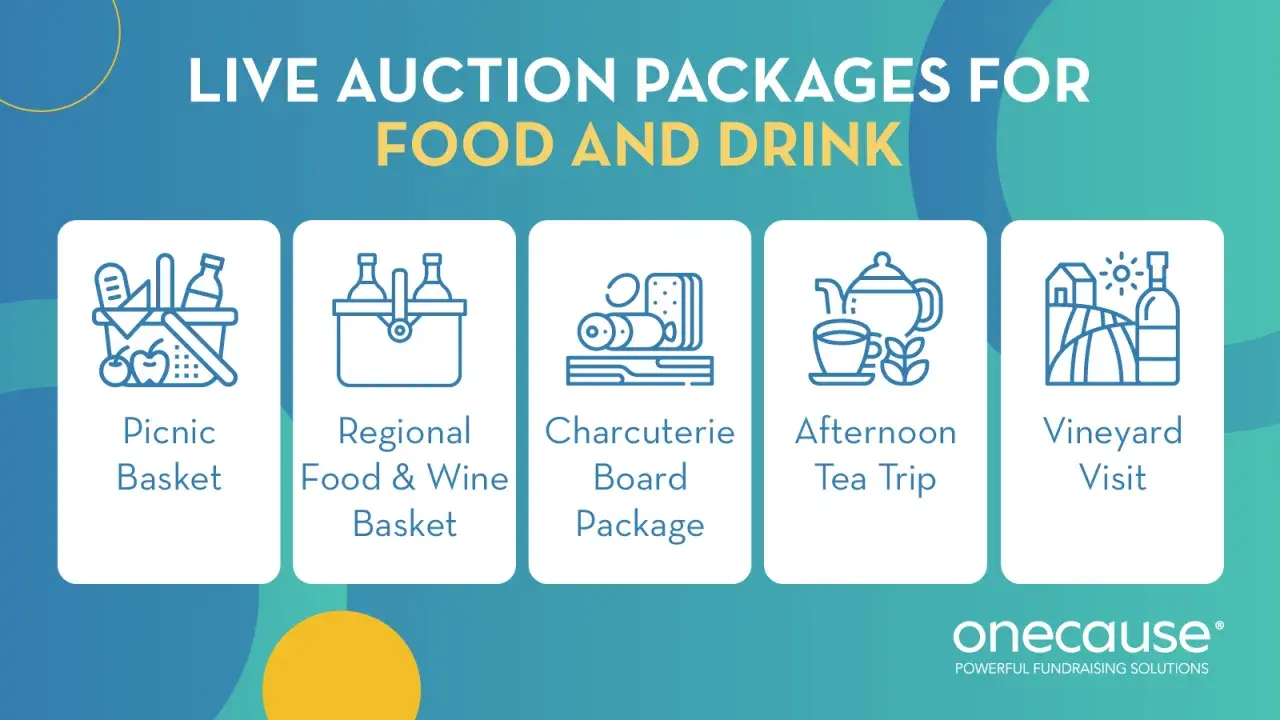
Well-built auction packages can do more than raise money. They can make a gala feel curated, help donors understand value at a glance, and turn a good cause into a night people remember. In practice, the strongest bundles are specific, easy to picture, and built around one clear reason to bid.
The quick read is that clarity, fit, and perceived value win bids
- Start with one anchor item or experience, then add only supporting pieces that make the offer feel complete.
- Experiential bundles often outperform random goods because bidders can imagine using them.
- Silent auctions need simple pricing and short descriptions; live lots can carry more drama.
- Packages tied to the community or mission often resonate best at nonprofit events.
- The most common failure is a bundle that looks busy but has no real theme.
Why bundled items outperform single donations
A single donated item can work, but a bundle usually sells better because it feels bigger than the sum of its parts. I look for three things: a clear story, a sense of convenience, and enough perceived value that bidders can justify the jump in price.
That is why a restaurant gift card becomes stronger when it is paired with a local wine tasting, or why a weekend stay becomes more appealing when it includes a breakfast credit and a small experience nearby. The package feels complete, so the bidder does not have to mentally assemble it.
- Higher perceived value. A bundle looks more substantial than one isolated gift.
- Better emotional pull. People bid on the picture in their head, not just the receipt.
- Smarter use of donations. Smaller gifts that would not stand alone can become useful together.
That is the basic logic behind strong auction catalogs: make every lot easy to understand, easy to desire, and easy to explain to someone else. Once that is clear, the next question is which bundle types actually pull the strongest bids.

The package types that pull the strongest bids
The strongest auction packages share one trait: they give bidders a clear experience, not just a pile of items. I usually see the best results from bundles that fit one of these categories, especially when the audience can imagine using them right away.
| Package type | Why it works | Best use case | What to watch |
|---|---|---|---|
| Local experience bundle | Feels personal, easy to redeem, and often supports nearby businesses | Community galas, schools, neighborhood nonprofits | Keep the theme tight so it does not feel assembled from leftovers |
| Travel or getaway bundle | Creates aspiration and usually has a high perceived value | Live auctions, premium silent lots, donor-heavy events | Check blackout dates, expiration windows, and extra fees |
| Dining and tasting bundle | Broad appeal and easy emotional connection | Mixed audiences, date-night crowds, hospitality-friendly cities | Avoid weak add-ons that dilute the headline item |
| Family or group bundle | Looks practical and generous without feeling overly expensive | PTA events, youth programs, family-focused fundraisers | Make sure the logistics actually match family schedules |
| Wellness or self-care bundle | Simple, relatable, and popular across age groups | Silent auctions, employee giving events, women-led audiences | Do not overstuff it with generic products |
| Mission-connected bundle | Connects the bid directly to the cause and the people it serves | Community organizations, arts groups, social-good campaigns | Keep the story respectful, specific, and authentic |
If I had to narrow it down further, I would say experiences and mission-connected bundles are usually the strongest performers, because they feel memorable instead of transactional. That does not mean gift items are obsolete; it means they work best when they support a larger idea.
How I build a bundle that feels intentional
When I assemble a package, I start with one question: if I had ten seconds to describe it, would it make sense immediately? If the answer is no, the bundle is probably too busy. A strong package usually has one anchor, two to four support pieces, and one clear line that tells the bidder why it matters.
- Choose one anchor. This is the main reason someone will bid, such as a trip, a chef dinner, or a VIP experience.
- Add only useful support items. Pair the anchor with pieces that extend the experience, not random extras.
- Write the story first. The description should explain the benefit before it lists the contents.
- Keep the logistics simple. Dates, restrictions, and redemption steps should be visible and short.
- Trim anything that muddies the theme. If an item does not strengthen the package, I remove it.
How to price it without leaving money on the table
Pricing is where many events get cautious in the wrong way. In my experience, the goal is not to set the highest number possible; it is to set a number that feels fair enough for bidders to enter and strong enough for the organization to protect value. For nonprofit events, I usually treat fair market value (FMV) as the estimated cash equivalent of the item or experience, then decide how aggressively the room is likely to bid above it.For a silent auction, I often start with a lower opening bid so the first few hands can go up quickly. For a live headline lot, I think more about momentum and story, because the room needs a reason to stretch. The format matters as much as the number on the sheet.
| Setting | Practical starting point | Why it works |
|---|---|---|
| Silent auction opening bid | About 30% to 50% of estimated FMV | Encourages early participation without underselling the item |
| Silent auction increments | $10 for lower-value lots, $25 to $50 for mid-tier lots | Keeps bidding active without creating awkward jumps |
| Live auction reserve | Use only when there is a real cost floor or hard minimum | Protects the event from a bad sale while preserving energy |
| Mobile bidding catalog | Short title, one strong photo, and one clear benefit line | People scan fast on phones, so clarity beats detail |
If the event uses mobile bidding, I keep descriptions shorter than I would on a printed bid sheet. Mobile bidding is software that lets guests place bids from their phones, which means the first screen has to do most of the work. A package with a clean title and a strong image almost always gets more attention than one with a long block of text.
The mistakes that quietly kill bid activity
The weakest packages usually fail for boring reasons, not dramatic ones. They are either too vague, too cluttered, or too disconnected from the audience in the room. I have seen a package with plenty of dollar value underperform simply because it felt like three leftovers tied together with ribbon.
- Too many unrelated items. A bundle should feel like one experience, not a storage box.
- No anchor item. Without a main draw, bidders do not know what they are paying for.
- Weak photos. If the image looks dull, the package feels smaller than it is.
- Unclear restrictions. Hidden expiration dates or blackout windows create hesitation.
- Wrong audience fit. A luxury golf trip will not energize every room.
- Overdescribing the contents. If the story gets buried in the inventory, interest drops.
My rule is simple: if a guest cannot explain the offer to a friend in one sentence, it is not ready yet. That is also why the next layer of strategy matters so much, especially for events that want the auction to support a broader community message.
When the bundle should reflect the mission, not just the market
For community-focused events, the best packages do more than raise cash. They reinforce why the organization exists. A local dinner paired with student artwork, a behind-the-scenes tour of a program site, or a sponsor-hosted experience with community leaders can feel more meaningful than a generic luxury bundle because the bidder sees a direct connection between the purchase and the mission.
This is where I think many events leave value on the table. They chase the flashiest item instead of the most resonant one. For a neighborhood nonprofit, a school, or an arts organization, a package that highlights local talent or visible impact can outperform a pricier item that has no emotional link to the audience.
- Use local partners. They add relevance and keep dollars circulating in the community.
- Tell a real story. A package tied to a program outcome feels more meaningful than a random premium item.
- Protect dignity. If the cause involves people directly, present the offer with respect and care.
- Make the benefit obvious. Donors should understand how their bid supports the mission.
That is the part I would not skip for a social-good website: the auction should feel like an extension of the organization’s values, not a separate entertainment block. Once the mission fit is right, the final step is deciding what mix of items gives the room the best rhythm.
The mix I would use for a strong event program
If I were building a balanced program from scratch, I would avoid relying on one expensive headline lot to carry the night. A healthier mix gives different guests a way to participate, which usually means better energy and more total revenue.
- One headline experience that can anchor the room and set the tone.
- Three to five mid-tier bundles that feel accessible but still special.
- Six to ten smaller items or experiences for guests who want an easy entry point.
- At least one package that clearly reflects the mission or local community.
The practical goal is simple: make the catalog easy to scan, make the value easy to understand, and make the bid feel emotionally justified. When those three pieces line up, the event feels less like a transaction and more like a shared act of support, which is exactly where a strong fundraiser should land.
