
What matters most before you commit to a remote role
- Scope beats enthusiasm. A good listing explains exactly what needs to be done.
- Time matters. Project-based roles are easier to sustain than vague open-ended asks.
- Skills help you stand out. Translation, design, tutoring, research, and admin support are common remote fits.
- Supervision is essential. You should know who reviews the work and how feedback will happen.
- Some roles need screening. Crisis support, youth work, and health-related volunteering usually require more vetting.

The remote roles you will actually see
When I look at virtual listings, I see the same categories again and again. That is useful, because it tells you what is realistic to expect and where your strengths may fit. The best roles are usually narrow, measurable, and easy to hand off, which is exactly what makes them manageable for volunteers and valuable for nonprofits.
| Role type | What you do | Best for | Why it matters |
|---|---|---|---|
| Translation and transcription | Convert text, captions, interviews, or documents into another language or written format | Bilingual volunteers and detail-oriented writers | It expands access to information fast, often without long meetings |
| Tutoring and mentoring | Meet one-on-one or in small groups to support learning, career planning, or skill building | Teachers, coaches, subject experts, and patient communicators | It creates direct human impact, but it usually needs a fixed schedule |
| Design and marketing support | Create social posts, slide decks, flyers, email templates, or visual assets | Designers, copywriters, and communications professionals | It helps small teams look credible and communicate more clearly |
| Research and data cleanup | Collect leads, organize spreadsheets, fact-check sources, or clean databases | Analytical volunteers who like structured work | It saves staff time and makes later decisions easier |
| Tech and web support | Test forms, update pages, fix basic issues, or improve accessibility | People with technical or no-code skills | It often has a visible payoff because small fixes remove real friction |
| Crisis or hotline support | Help with text-based support, moderation, or guided response work | Volunteers who can handle emotional labor and follow protocol | It can be high-impact, but it usually comes with training and screening |
I would not treat every role as equal simply because it is remote. A translation task for two hours is very different from a mentoring commitment that repeats every week. Once you know which formats exist, the next question is whether the posting is specific enough to trust.
What makes a role worth your time
I look for four things before I apply: a clear deliverable, a named contact, a realistic timeline, and a communication rhythm that does not depend on guesswork. If a listing says only that the organization needs “help,” I usually pass. That kind of vague language often means the team has not thought through scope, onboarding, or what the volunteer is actually supposed to finish.
- Clear deliverable: You should be able to describe the outcome in one sentence.
- Named supervisor: Someone needs to review the work and answer questions.
- Defined cadence: Weekly check-ins, async updates, or a single deadline should be obvious.
- Known tools: The role should tell you whether you will use email, Slack, Google Docs, Zoom, or a platform dashboard.
- Realistic scope: If the task sounds like three jobs disguised as one, the setup is probably weak.
For volunteers in the United States, time-zone overlap can matter more than people expect. A role that is technically remote but requires same-day responses across a three-hour gap may feel much less flexible than it first appears. I also pay attention to emotional load: anything involving minors, crisis response, health, or safety should be treated as a higher-bar commitment, not a casual side project. After that, the platform you use can make the search easier or harder.
Which platforms are best for which kind of volunteer
The platform matters because it shapes what kind of work you will see and how much filtering you have to do yourself. I do not start with the platform I like; I start with the kind of contribution I want to make. That usually narrows the field fast.
| Platform type | Best for | What it tends to offer | Watch out for |
|---|---|---|---|
| Broad volunteer boards | People who want to browse multiple causes and compare options | Virtual and in-person listings across many categories | Quality can vary, so read the scope carefully |
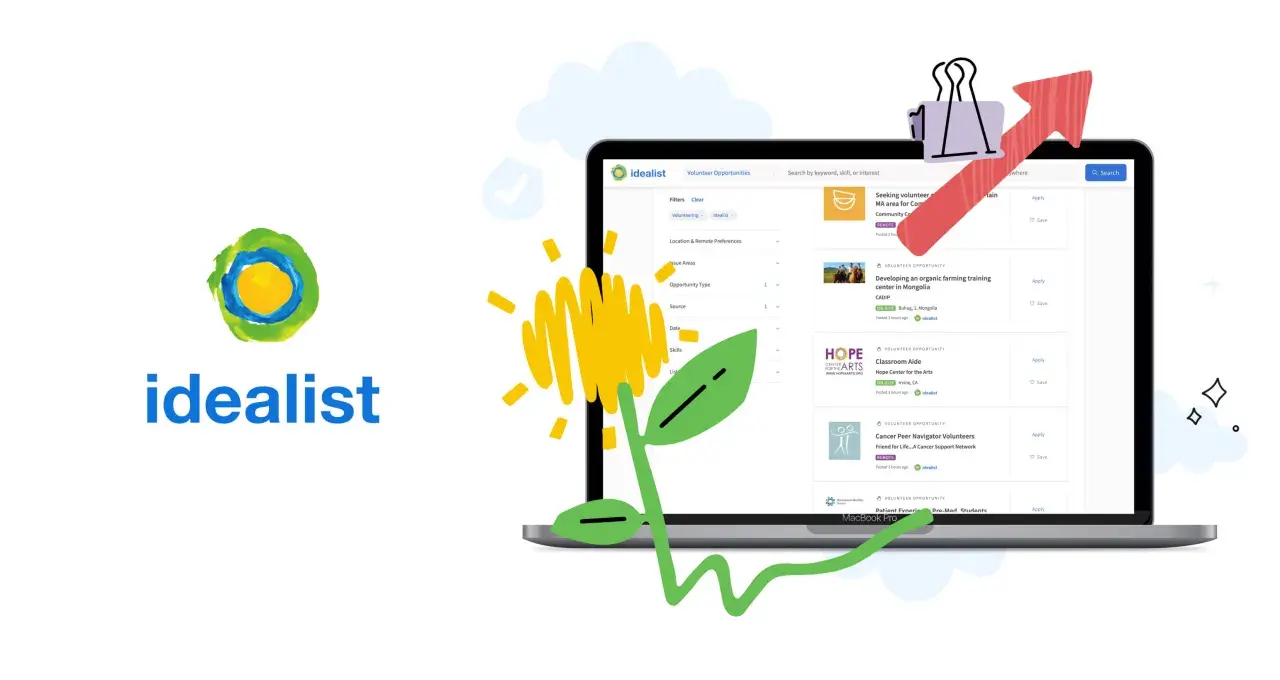
| Virtual opportunity hubs | Volunteers who want work they can do entirely from home | Remote tasks, ongoing commitments, and one-off projects | Some listings are light on detail and need extra scrutiny |
| Global development platforms | People interested in international service and structured assignments | Remote support for development, civic, and humanitarian work | Expect clear eligibility rules and more formal selection |
| Skills-based pro bono platforms | Professionals who want to donate a specific skill | Short projects in design, fundraising, research, marketing, and operations | These roles are strongest when you can show relevant experience |
In practice, broad boards are best when you are still exploring, while skills-based platforms are better when you already know what you can offer. Points of Light frames virtual volunteering as a mix of one-time and ongoing commitments, which is the right mental model if you want flexibility. UN Volunteers is more structured: online assignments can be open worldwide, and each assignment is limited to up to 20 hours per week for a maximum of 12 weeks, which makes it a good fit for focused, time-bound service rather than endless open-ended support. Once the platform is chosen, the final filter is how you present yourself for the role.
How to apply and stand out without overselling yourself
Remote volunteering rewards clarity more than polish. A short message that tells the organization who you are, what you can do, how much time you can give, and why the mission matters to you is often enough to move you forward. I would rather see a practical note with one good sample of work than a long, enthusiastic paragraph that never answers the real questions.- Lead with one relevant skill. If you are a designer, translator, tutor, analyst, or writer, say that first.
- State your availability plainly. “Two hours a week for the next six weeks” is more useful than “I’m flexible.”
- Show one proof point. A portfolio sample, past project, certification, or volunteer example is usually enough.
- Ask one smart question. For example, ask who approves the work or what the first deliverable looks like.
- Start small if the role allows it. A pilot task is safer than committing to a large project you have never done before.
If the opportunity involves children, mental health, or crisis response, expect training, screening, and a slower onboarding process. That is not a bad sign; it is usually a sign that the organization is taking the work seriously. The bigger mistake is accepting a role that sounds meaningful but leaves you with no direction and no feedback. Even then, the listing can still look attractive on paper, so the last check is whether the trade-offs actually fit your life.
The trade-offs that matter more than the headline
Remote volunteering sounds simple because you can do it from home, but that convenience comes with real compromises. I think the most common mistake is assuming that “remote” automatically means “easy.” It does not. It means the work is geographically flexible, not necessarily lightweight.
- Flexibility vs. feedback speed: Async work gives you freedom, but you may wait longer for review.
- Reach vs. relationship: You can help organizations far away, but you may feel less connected to the community on the ground.
- Low barrier vs. uneven quality: Easy sign-up can be helpful, but it also attracts vague listings.
- Skills-based impact vs. narrow tasks: The work can be more valuable, but it may use only one slice of your ability.
- Global access vs. time-zone friction: A project can be international and still difficult if the team is never online when you are.
These trade-offs are not reasons to avoid virtual service. They are reasons to choose carefully. If the work depends on trust, consistency, or emotional presence, a remote format may need stronger structure than the posting makes obvious. That is why I always finish with a short checklist before I say yes.
The checklist I use before saying yes
Before I commit, I ask a few blunt questions. If the organization cannot answer them clearly, I keep looking. That saves time, prevents frustration, and usually leads to better service on both sides.
- What is the exact deliverable?
- Who is my contact person?
- How many hours am I expected to give?
- What tools or accounts do I need?
- Is there training, onboarding, or screening?
- Can I finish this without hidden costs or software I do not already have?
When those answers are clear, the role usually feels manageable, the organization gets reliable help, and the work has a better chance of producing real impact. That is the standard I would use for online volunteer opportunities in 2026: concrete, supervised, and matched to a schedule you can actually keep.
