
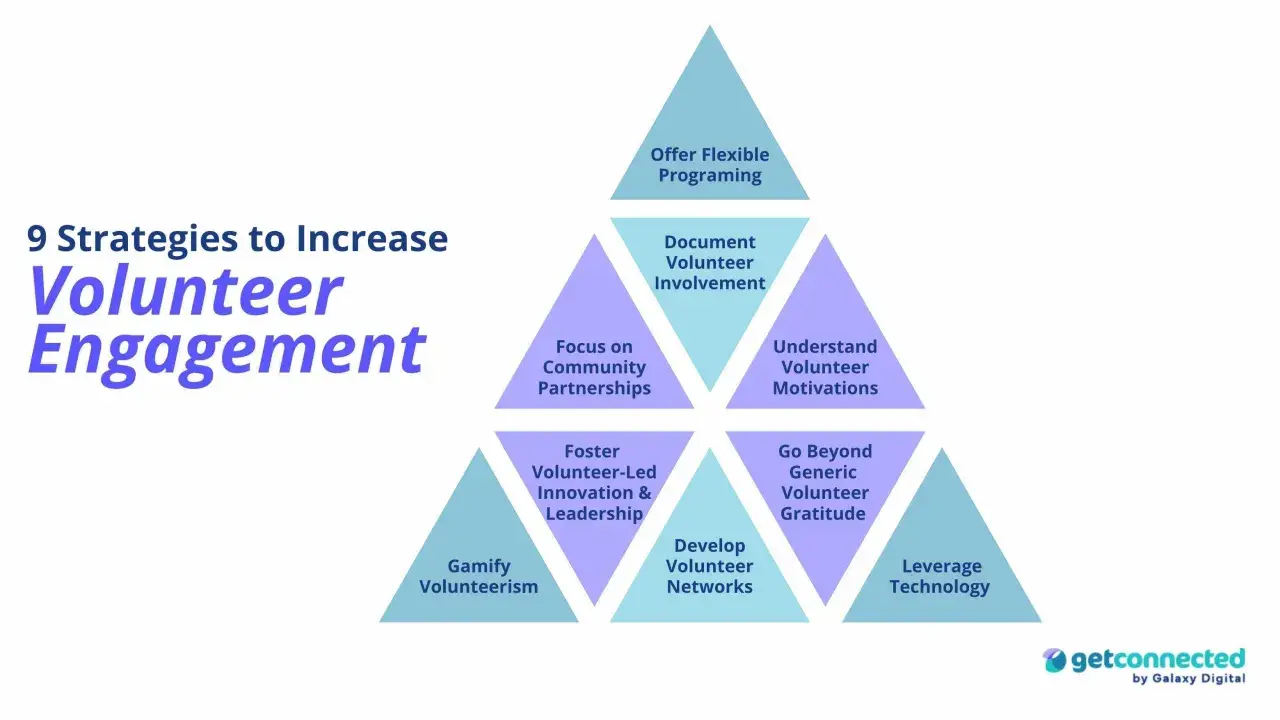
Keeping volunteers is less about charisma than design. People stay when the experience feels clear, useful, and respectful of the time they are giving, and they leave when the work becomes confusing, slow, or frustrating. This article breaks down how to retain volunteers by focusing on the first month, the structure of the role, communication habits, recognition, and the simple metrics that show whether a program is actually working.
The fastest way to keep volunteers is to reduce friction and increase belonging
- Retention starts before the first shift with honest role descriptions and realistic time commitments.
- The first 30 days matter most, because weak onboarding creates drop-off fast.
- Flexible schedules and well-fitted tasks usually matter more than generic appreciation.
- Volunteers return when they can see impact, feel known, and trust follow-through.
- Measure show-up rate, repeat rate, and response time so you can fix real problems instead of guessing.
Why volunteers leave even when they care about the mission
Volunteers rarely leave because they stop believing in the cause. More often, they leave because the experience around the cause is messy, unclear, or harder than their life can absorb. I think of that as a broken psychological contract: the organization expected help, and the volunteer expected clarity, respect, and a meaningful use of time.
| Common friction point | What it looks like | Better approach |
|---|---|---|
| Vague expectations | “Can you help sometime?” turns into guesswork | Write a role description with time, location, tasks, and a real contact person |
| Slow communication | Sign-up emails sit unanswered for days | Reply within 24 hours and confirm next steps immediately |
| Overloaded shifts | The work feels like unpaid labor, not service | Split tasks into manageable blocks and rotate heavier duties |
| No visible impact | People cannot tell whether their effort mattered | Show the outcome, not just the activity |
| No sense of belonging | Volunteers feel like temporary guests | Introduce them to staff and peers, then keep them in the loop |
Once you can name the friction, the fix becomes much more practical. The next step is to make the first month easy enough that people want to return before the novelty wears off.

Build the first month like an onboarding journey
The first 30 days matter more than most organizations admit. If a volunteer’s first experience is smooth, they are far more likely to come back than if they have to chase directions, guess at expectations, or figure out logistics on their own.
- Send a welcome message with the date, start time, parking or transit details, dress code, and a named contact person.
- Keep orientation short. For most roles, 30 to 45 minutes is enough if it is focused and clear.
- Start with one simple task so the volunteer can succeed quickly.
- Pair new volunteers with a steady person who can answer basic questions without making them feel awkward.
- Follow up within 48 hours and ask one concrete question about the experience.
I also recommend treating the first shift as a test of your system, not the volunteer’s commitment. If someone gets lost, waits around, or does not know who to ask for help, the problem is usually design, not motivation. Once the first month feels organized, the next challenge is making the role itself fit real life.
Make the role fit real lives, not ideal schedules
In the United States, many volunteers are balancing work, school, caregiving, or all three. If your roles assume a perfect calendar, people will drop off even when they like the mission. The stronger move is to build roles around different levels of availability instead of expecting everyone to volunteer in the same way.| Volunteer profile | What tends to keep them engaged | What usually pushes them away |
|---|---|---|
| Working professional | Evening or weekend blocks, predictable dates, and tasks that start and end on time | Last-minute changes and open-ended shifts |
| Student | Short shifts, skill-building, references, and visible learning | Long daytime commitments during class weeks |
| Retiree | Consistency, social connection, and a sense of responsibility | Chaotic scheduling and unclear ownership |
| Skills-based volunteer | Project ownership and measurable outcomes | Random one-off tasks that do not use their strengths |
| Corporate group | Clear start and end times, team-friendly tasks, and visible community results | Loose sign-up processes and poor coordination on the day |
Micro-volunteering can also help. A 30-minute remote task, a two-hour packing shift, or a seasonal project may be more sustainable than asking for a recurring three-hour commitment. The better the role matches the person, the less energy you spend replacing them. That fit only holds if communication stays reliable, which is where many programs quietly break down.
Keep communication simple, human, and predictable
Communication is one of the easiest places to lose volunteers. Too little contact and they feel forgotten. Too much and they feel flooded. My rule is to keep the rhythm simple: one named contact, one reminder before the shift, and one brief update that shows what the work accomplished.
- Use the same channel for the same purpose, so people know where to look.
- Send reminders 2 to 3 days before a shift, not just hours before it starts.
- When plans change, explain what changed and why.
- Keep messages short, direct, and action-oriented.
- Ask volunteers how they prefer to hear from you, then respect that preference.
I also like to treat follow-through as a promise, not a courtesy. Answering questions within 24 hours is a strong baseline because it tells volunteers that their time matters. Once communication feels trustworthy, recognition becomes much more believable.
Recognition should show impact, not just gratitude
Generic thank-yous are easy to ignore. Specific recognition sticks because it tells volunteers that their effort was seen and that it mattered to someone. I have found that the best recognition is timely, concrete, and tied to outcome.
- Thank people within 24 to 72 hours of the shift or task.
- Name the exact contribution, not just “help.”
- Share one story, number, or result that shows the effect of the work.
- Match the style of recognition to the person, because some people want public praise and others do not.
- Mark milestones such as a first month, six months, or a year, so commitment feels visible.
- Offer growth through mentoring, team lead roles, training support, or ambassador responsibilities.
Recognition is not a substitute for good management. If the role is broken, a thank-you note will not save it. What does help is a program that tracks whether volunteers are actually staying, returning, and building habits over time.
Measure retention before the gaps become obvious
I like to measure volunteer retention in simple layers: show-up rate, repeat rate, and reasons for leaving. Those three signals tell a more honest story than sign-up numbers, because sign-ups can look healthy while real engagement is leaking away.
| Metric | Why it matters | What to watch |
|---|---|---|
| First-shift show-up rate | Tells you whether reminders and logistics are working | If it drops, review confirmation emails, parking, timing, and clarity |
| 30-day repeat rate | Shows whether the experience feels worth repeating | If it drops, look at onboarding, workload, and first-shift quality |
| Response time to inquiries | Signals whether volunteers feel respected | Try to stay under 24 hours for basic questions |
| Shift fill rate | Reveals whether the schedule matches real availability | If shifts stay open, shorten them or offer more options |
| Exit reasons | Helps you find root causes instead of guessing | Group reasons monthly so patterns are visible |
If I see strong first-shift attendance but weak return rates, I do not blame outreach first. I look at training, workload, and whether people felt useful. That habit turns retention into management, not guesswork, and it leads naturally into what lasting programs have in common.
What a volunteer program built to last actually looks like
The strongest volunteer programs are rarely the flashiest. They are the ones that make it easy to join, easy to understand the work, and easy to stay connected without feeling burdened. In practice, that means realistic expectations, quick follow-up, flexible roles, and regular proof that the work matters.
If I had to reduce the whole topic to one principle, it would be this: respect the volunteer’s time as carefully as you respect the mission. Do that consistently, and you will not just keep more people, you will build a community that trusts the organization enough to keep showing up.
