
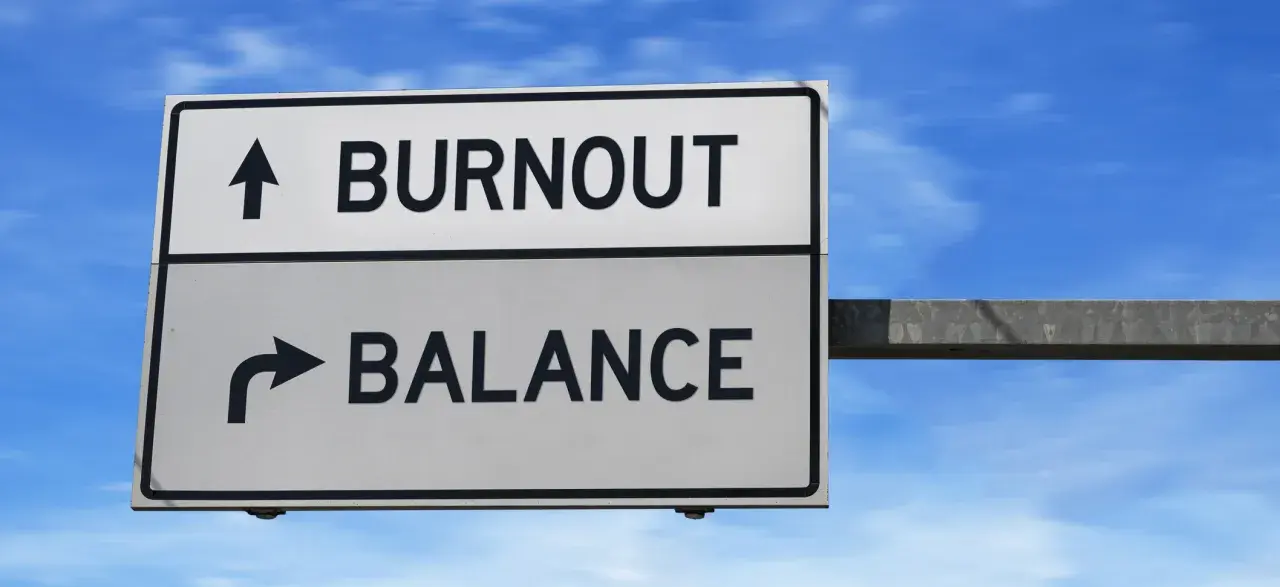
At the simplest level, what is volunteering? It is freely offered service given without pay because the work matters to a person, a community, or both. In the United States, that can mean anything from helping at a food pantry for two hours a month to using professional skills on a pro bono project. I am focusing here on the definition, the real-world forms volunteering takes, and the practical choices that help people serve without burning out.
Key points at a glance
- Volunteering is freely given service, usually tied to a cause, organization, or public need rather than a private gain.
- It can be in-person, remote, episodic, ongoing, or skills-based, depending on your time and strengths.
- The best volunteer roles are the ones you can actually sustain, not the ones that sound the most impressive.
- Good programs provide clear duties, training, and boundaries so volunteers can help without confusion.
- In the U.S., there are many entry points, from local nonprofits to federal volunteer portals and age-specific service programs.
What volunteering really means
Volunteering is not just being helpful in a vague sense. I usually define it as intentional service offered freely, with no wage and no direct financial expectation in return. People may still receive reimbursement for mileage, meals, uniforms, or other costs, and some programs provide training or a small stipend, but the core idea stays the same: the service itself is given freely.
That is why volunteering feels different from a casual favor. It is usually tied to a mission, a public need, or a community outcome. You might tutor a student, stock shelves at a shelter, plant trees in a park, answer phones for a crisis line, or help a local museum run an event. The setting changes, but the pattern does not: time, effort, and care are offered without wages because the work has social value.
In practice, I think the most useful definition is also the simplest one: volunteering is service chosen, not imposed. That distinction matters, because it separates civic contribution from work, obligation, and performance. It also leads straight into the next question, which is how volunteering differs from other forms of service that can look similar on the surface.
How volunteering differs from other kinds of service
People often mix up volunteering with other unpaid or low-paid roles. The distinctions are worth keeping clear, especially if you are choosing where to spend your time or evaluating a program in the U.S.
| Type | What it means | Typical expectation | Why it is different |
|---|---|---|---|
| Volunteering | Freely offered service for a cause, organization, or community need | Flexible or scheduled hours, usually without wages | Service is the point, not pay |
| Community service | Service tied to a school, program, or civic requirement | Often assigned or required hours | May be mandatory rather than chosen |
| Internship | Work experience connected to learning or career development | Training, supervision, and a learning goal | Career experience is central, not just service |
| Paid work | Labor exchanged for wages or salary | Defined role and compensation | There is a formal employment relationship |
| Court-ordered service | Service required by a legal process | Specific hours and documentation | It is not freely chosen in the same way |
I also pay attention to one practical line: if a role looks and feels like regular staffing, I ask whether it is truly a volunteer placement or just unpaid labor. A healthy volunteer program does not blur that boundary. It gives clarity about duties, supervision, and limits, which is exactly what makes the work easier to sustain.
Once that distinction is clear, the next step is to look at the different forms volunteering can take in real life.

The main forms volunteering takes in the U.S.
I think of volunteer work as a set of different energy budgets. Some roles need regular presence. Others need a single weekend. Some depend on physical effort, while others depend on writing, design, mentoring, or phone support. The right format depends less on your ambition and more on your actual life.
| Type | Typical commitment | Best for | Watch out for |
|---|---|---|---|
| Recurring local service | About 2 to 6 hours a week | People who want consistency and relationships | It becomes hard to sustain if your schedule changes often |
| Episodic or event-based | 2 to 8 hours per shift | Busy people who can help occasionally | Less continuity, so the impact depends on turnout |
| Remote volunteering | About 1 to 5 hours a week | People with digital skills or limited travel time | It can feel isolated if the role lacks good communication |
| Skills-based or pro bono work | Project-based, often 5 to 20+ hours total | Professionals who can offer specialized knowledge | Needs a clear scope or it can become open-ended |
| Seasonal or crisis response | Short bursts over days or weeks | People who can step in during a defined window | Intensity can be high, especially in disaster settings |
In the U.S., these formats show up everywhere: schools, libraries, parks, food banks, shelters, hospitals, disaster relief groups, and online service platforms. Some people want a standing weekly role because routine keeps them accountable. Others need something seasonal because their schedule is already full. Neither choice is better. The better choice is the one you can keep without resentment.
That practical fit matters because volunteering should create value on both sides. It should help the community, and it should be realistic enough for the volunteer to repeat it.Why people volunteer and why communities care
The reason people start volunteering is not always the same reason they stay. At first, it may be a cause, a class requirement, a family tradition, or a desire to feel useful. Over time, the deeper reasons usually become clearer: belonging, purpose, skill-building, and trust.
What volunteers usually gain
- Purpose, especially when the work connects directly to a need they can see.
- Skills such as communication, leadership, event support, mentoring, or basic project coordination.
- Social connection, which matters more than many people expect, especially in isolated communities.
- Career insight, because a short service role can confirm whether a field or cause is worth pursuing further.
- Perspective, since regular service often shows how much invisible work holds a community together.
Read Also: Volunteer Skills - Master What Truly Helps
What communities usually gain
- Extra capacity, which helps organizations do more than their paid staff could do alone.
- Local knowledge, because volunteers often bring neighborhood insight and practical relationships.
- Trust, especially when service is consistent and face-to-face.
- Responsiveness, which matters during events, holidays, and emergencies.
- Stronger civic habits, because repeated service makes participation feel normal rather than exceptional.
I do want to be careful here: volunteering is not a substitute for fair funding or solid public systems. It works best as a complement, not a cover-up. The strongest organizations do not treat volunteers as free labor. They treat them as partners, and that difference changes the quality of the service almost immediately.
Once you see both sides of the value, the real challenge becomes choosing the right role and not taking on more than you can reasonably carry.
How to choose a role that fits your life
I usually tell people to start with the smallest version of service they can honestly keep. A reliable 90-minute shift every two weeks is more valuable than a heroic plan that disappears after one month. Consistency beats self-image every time.
- Pick a cause you can sustain. Choose something you care about enough to return to when your energy is low, not just when you feel inspired.
- Decide your real time budget. Be specific. Is it 2 hours a month, 2 hours a week, or a seasonal burst during school breaks or holidays?
- Check the physical and emotional load. Some roles involve lifting, standing, caregiving, or listening to distressing stories. Good intentions do not cancel fatigue.
- Ask about training and supervision. If a role touches children, confidential data, health issues, or disaster response, clear onboarding matters.
- Test before you commit deeply. One shift or one short project tells you more than a polished description ever will.
- Reassess after a month or two. If the work drains you in the wrong way, adjust. The right role should be challenging, not chronically punishing.
There are also warning signs. If an organization cannot explain the duties clearly, keeps changing the schedule, pressures you to donate money, or expects you to carry a role with no support, I would slow down. Volunteer work should have structure, even if it is informal. Without that, the service becomes chaotic instead of meaningful.
The best role is not the most impressive one. It is the one that fits your actual life, your energy, and your ability to show up again. That idea becomes even more important when you start looking for opportunities in the U.S., where the range is broad and the quality varies widely.
How to start without overcommitting in the U.S.
If you want a practical entry point, start local first. Schools, libraries, food banks, shelters, animal rescues, parks, mutual aid groups, and neighborhood associations often need help that is easy to understand and easy to schedule. That is usually better for beginners than chasing a large, vague mission with no visible next step.
For more structured federal opportunities, Volunteer.gov is the central portal for many public-agency roles, and AmeriCorps Seniors connects adults 55 and older with local service opportunities. I like those examples because they show something important: volunteering in the U.S. is not one narrow path. It is a network of options, from neighborhood service to national programs.
A simple starting plan works well:
- Choose one cause area, such as hunger relief, education, the environment, or disaster support.
- Apply to 2 or 3 organizations, not 20.
- Ask for one shift or one short project before committing to recurring hours.
- Track how you felt afterward: energized, neutral, or drained.
- Keep the role only if the schedule and the mission both still make sense after a few weeks.
The point is not to become the most available person in the room. The point is to become a dependable one. That is how volunteering turns from a good intention into a stable habit, which leads naturally to the part that matters most over time.
What lasting service looks like in practice
The people who make the biggest difference are usually not the loudest. They are the ones who show up predictably, respect the organization’s systems, and stay within the scope of the role. They learn names, follow directions, ask questions early, and step back when they are no longer the right fit for a task.
That is the real lesson I would leave with: volunteering is valuable because it is freely given, but it becomes powerful when it is also thoughtful, bounded, and repeatable. If you remember only one thing, let it be this: good service is not measured by grand gestures alone. It is measured by whether the work is useful, humane, and sustainable for both the volunteer and the community.
When those three things line up, volunteering stops being a vague good deed and becomes a practical form of social good. That is where the impact lasts, and that is usually where the most meaningful service begins.
