
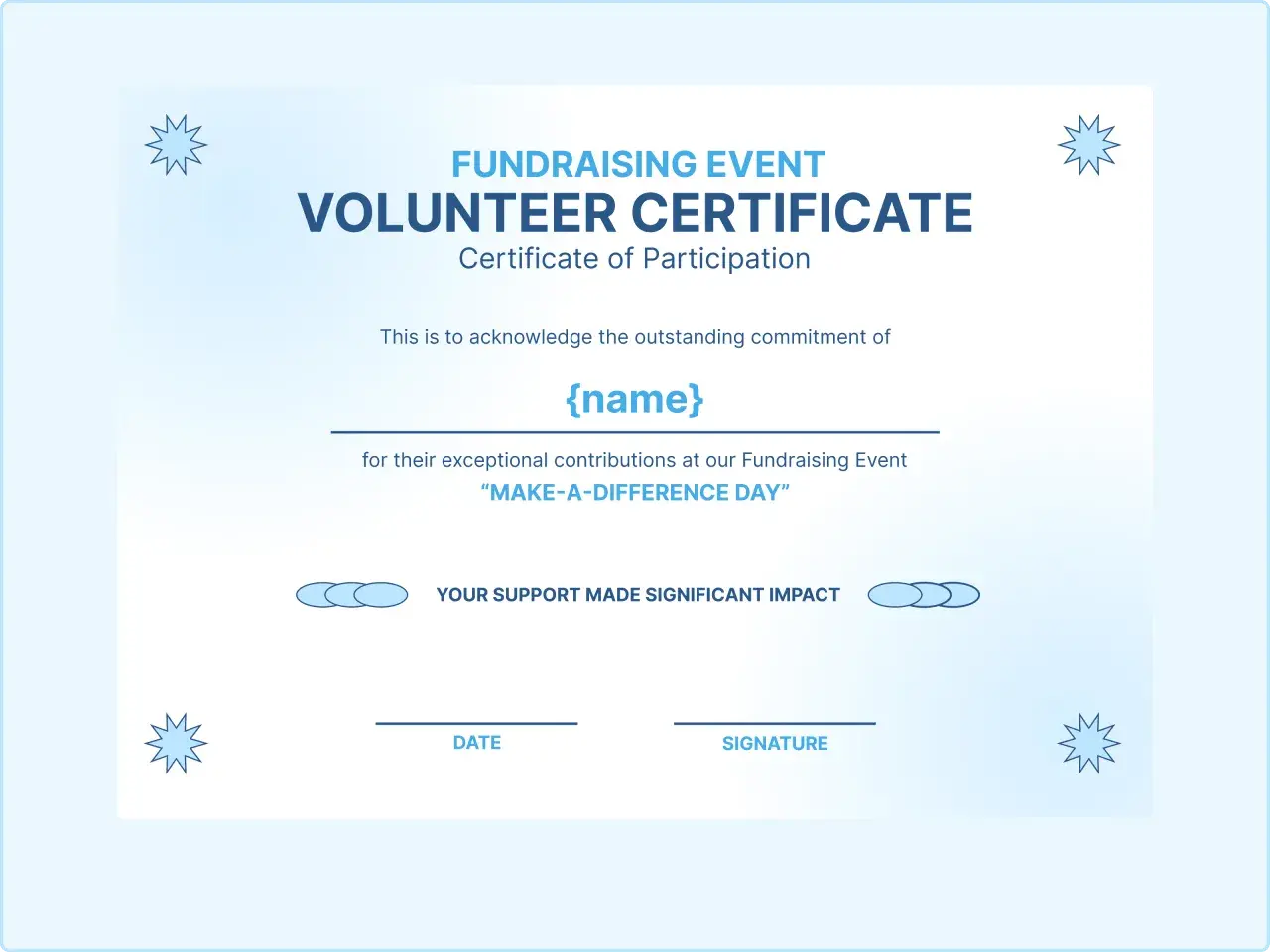
The core facts before you choose a role
- UN Volunteers issues an electronic certificate of appreciation after successful completion of an online assignment.
- Outreach360 includes training and a certificate of service in its virtual English teacher program.
- Structured service programs are usually better for proof of hours than casual one-off tasks.
- Directories like Idealist and Points of Light are useful for discovery, but the certificate usually depends on the individual listing.
- The best certificate names the organization, your role, the dates or hours completed, and the person who supervised the work.
What a certificate from an online volunteer role really proves
A certificate from a volunteer role is usually proof of participation, not a professional credential. I treat it as evidence that you completed a defined service period, delivered agreed work, and had that work reviewed by the host organization. That matters for resumes, scholarship files, school service hours, and personal credibility, but it does not turn the work into an accredited qualification.The certificates I trust most tend to show four things: the organization name, your name, the dates or hours completed, and the role or project title. If any of those are missing, I become cautious quickly. A document that only says “thanks for helping” is nice; a document that can stand up in a school or workplace file is far more useful.
Certificates also come in different shapes. A certificate of appreciation is usually recognition that you contributed and completed the assignment. A certificate of service often signals that hours, attendance, or deliverables were tracked. A completion-style certificate is the closest thing to a formal record, which is why the process behind it matters more than the design. Once you know what the paper should prove, the next question is where the most credible opportunities actually live.

The strongest places to start right now
When I compare remote volunteer programs, I look for clear rules, a defined end point, and a certificate that is tied to actual service rather than a generic thank-you message. These are the options I would start with first:| Program | Certificate angle | Typical commitment | Best fit |
|---|---|---|---|
| UN Volunteers Online Volunteering | Electronic certificate of appreciation after successful completion | Up to 20 hours per week, for up to 12 weeks | Skilled volunteers who want recognized international service |
| Outreach360 Virtual Volunteer English Teacher | Training plus certificate of service included | About 12 hours per week, with a fixed session schedule | People comfortable teaching and keeping a consistent weekly rhythm |
| The People Foundation Online Community Service | Certificate and signed logs for proof of completion | Instant enrollment, remote, and flexible | People who need documented service hours for school, court, or workplace requirements |
| Idealist and Points of Light virtual listings | Varies by host organization, so the listing must be checked carefully | Varies widely | Volunteers who want to browse many causes before choosing one |
If I were choosing today, I would start with UN Volunteers when I want a globally recognized service record, Outreach360 when I want a structured teaching role, and a broader directory only when I am willing to verify the certificate language myself. The pattern is simple: the clearer the assignment, the easier it is to get a document that actually means something. From there, the real differentiator is not the platform name but how the certificate is documented.
How to judge whether the certificate is worth your time
I look for five signals before I apply:
- Named issuer - the certificate should come from the organization running the work, not from a generic template site.
- Clear completion rules - hours, sessions, or deliverables should be spelled out before you start.
- Documented hours or feedback - the better programs connect the certificate to tracked service and a final review.
- Downloadable proof - a PDF, email, or signed log is more useful than a badge buried in a dashboard.
- Usable details - your name, dates, role, and organization name should all appear on the record.
If you need the certificate for a school file or an employer, ask one blunt question up front: will this count as a formal service record if I finish the assignment exactly as described? That single question saves a lot of disappointment later. Once the paperwork is clear, the next filter is the kind of work you actually want to do.
The remote roles that fit this pattern best
Not every online volunteer role is equally certificate-friendly. In practice, the most reliable matches usually fall into four buckets:
- Teaching and tutoring - These roles tend to have fixed meetings, visible attendance, and a natural end date. Outreach360 fits here well because the schedule is defined and the training is built in.
- Translation and transcription - These are easy to measure because the output is concrete. UN-style assignments often work well here because the deliverable is specific and reviewable.
- Writing, design, and digital support - These are strong options for professionals who want to show practical impact. I like them most when the nonprofit can name the deliverable clearly, such as a campaign asset or a cleaned-up workflow.
- Mentoring and advocacy support - These can be meaningful and deeply human, especially when volunteers are helping from behind the scenes. The certificate is strongest when the organization tracks hours and outcomes carefully.
Micro-volunteering can still matter, but it is less reliable if you need formal proof. Short tasks are convenient; they are just not always strong enough to justify a certificate unless the platform is built for it. That is why the application itself deserves more attention than most people give it.
How I would apply from the United States
- Decide what you need the certificate for: school credit, a scholarship file, a resume line, or a personal record.
- Choose a role with a schedule you can actually keep, not one that only sounds manageable on paper.
- Check eligibility, time zone, and tech requirements before you apply; some teaching roles expect fixed weekly hours, a webcam, and stable internet.
- Ask how the certificate is issued and what it includes. I want to know whether it is a PDF, a signed log, or an email confirmation.
- Keep a private record of hours, dates, deliverables, and the name of the coordinator who supervised the work.
For U.S.-based volunteers, the most common mistake is assuming that a remote role is automatically flexible just because it is online. Fixed sessions can be easier to complete and easier to document, but they are less forgiving when your calendar moves. Once you accept that trade-off, the right role becomes much easier to spot.
What I would keep on file after the assignment ends
When the work is done, I would save more than the certificate itself. I would keep the acceptance email, the final deliverable, the hour log, the supervisor's name, and one short note about what I actually contributed. That record turns a volunteer stint into something you can reuse later for scholarship applications, job interviews, or a personal impact portfolio.
- Certificate PDF or emailed copy - your baseline proof.
- Hours and dates - the detail most reviewers look for first.
- Project summary - one or two lines about what you did and why it mattered.
- Reference contact - only if the organization is comfortable providing one.
- Screenshots or links to completed work - useful when the role produced public-facing output.
