
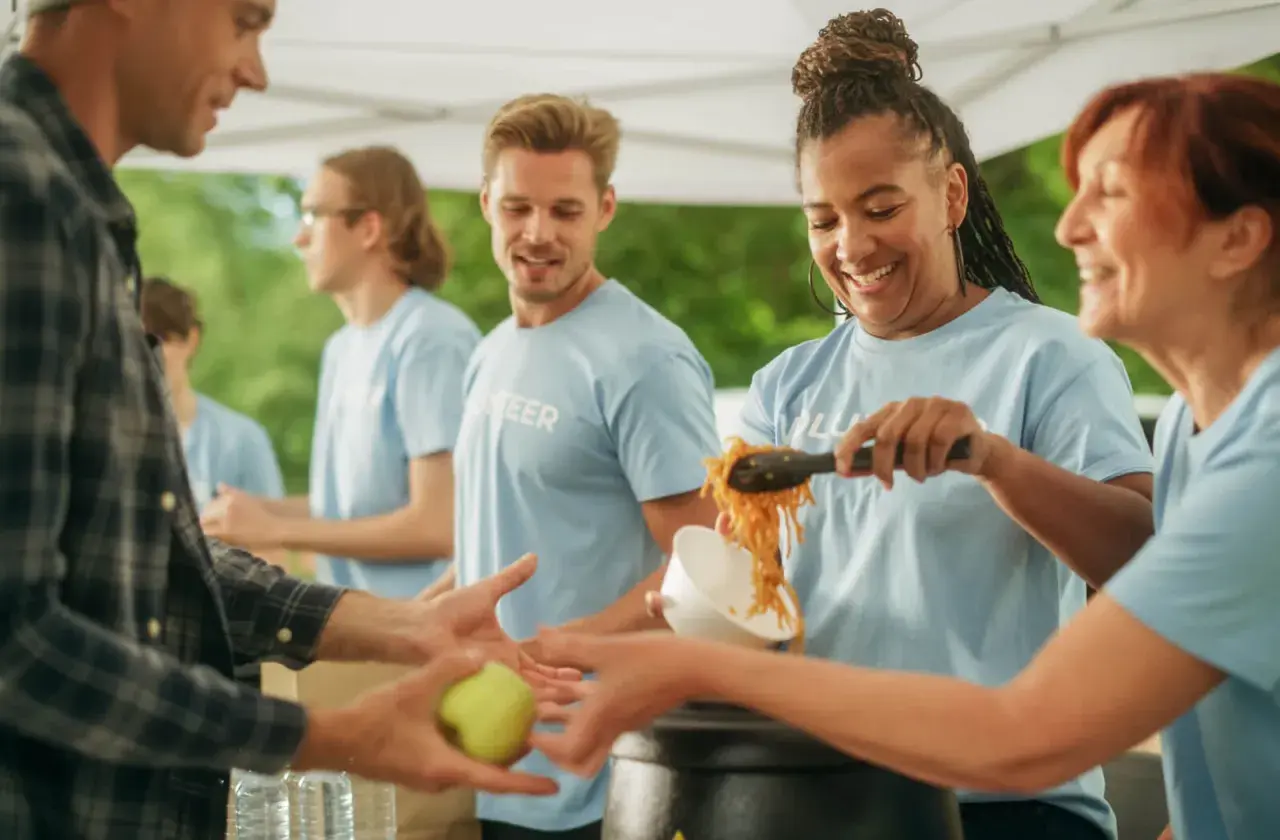
Community services are the practical supports that keep daily life from breaking down when families face hunger, isolation, illness, or instability. When readers ask what are some community services, I usually think less about theory and more about the day-to-day work that helps families get through a hard week and communities stay connected. This article breaks down the most useful examples, how volunteers fit into them, and what separates a service that looks good on paper from one that genuinely helps.
The most useful community services are the ones people can reach quickly and trust repeatedly
- Food access, shelter support, youth programs, senior services, and neighborhood care are the core categories most readers mean.
- Volunteers are most effective in roles that are consistent, visible, and easy to train.
- Strong programs make access simple, protect dignity, and avoid forcing people through unnecessary steps.
- One reliable weekly shift usually helps more than a burst of one-time enthusiasm.
- Not every task is volunteer-friendly, so licensing, background checks, and training matter.
What community services include and why volunteers matter
In the United States, community services usually come from a mix of local government, nonprofits, schools, faith groups, libraries, and mutual-aid networks. I think of them as the systems that help people stay fed, housed, informed, healthy, and connected when normal routines are under pressure.
Volunteers matter because many of these programs depend on human time more than technology. They sort donations, answer phones, tutor children, deliver groceries, greet clients, and make sure someone is actually there when a neighbor needs help. That said, volunteers should support the work, not replace licensed professionals in areas like medical treatment, counseling, legal advice, or formal case management. Once you understand that boundary, the examples become much easier to evaluate.
That leads naturally to the question most readers really want answered: which services show up most often in real communities?

The services people usually mean
When I map community need, a few service types appear over and over because they solve immediate problems and can be staffed by volunteers without diluting quality. The table below is the most practical version of the answer, because it shows what each service does and where a volunteer adds real value.
| Service type | What it does | How volunteers help | Why it matters |
|---|---|---|---|
| Food assistance | Food pantries, meal sites, delivery programs, and weekend backpack programs | Sort donations, pack boxes, serve meals, deliver groceries, help with intake | Reduces hunger and keeps families stable between paychecks |
| Shelter and housing support | Emergency shelters, transitional housing, clothing closets, and referral help | Set up beds, organize supplies, do guest check-in, restock toiletries | Helps people move from crisis to a safer baseline |
| Youth learning support | After-school programs, tutoring, reading buddies, and mentoring | Read with children, help with homework, supervise activities, coach projects | Supports school attendance, confidence, and long-term opportunity |
| Senior support | Friendly visits, rides, tech help, meal checks, and companionship | Provide transportation, make reminder calls, teach smartphone basics, deliver meals | Cuts isolation and makes aging at home safer |
| Health and wellness access | Free clinics, vaccination drives, crisis lines, and support groups | Registration, translation, wayfinding, outreach, administrative help | Makes care easier to reach, especially for people with few options |
| Community improvement | Park cleanups, gardens, neighborhood events, and library support | Planting, cleanup, event setup, tool handling, promotion | Builds shared ownership and makes public spaces feel cared for |
| Disaster response and recovery | Relief centers, shelter support, donation coordination, and debris cleanup | Sort supplies, staff support desks, pack recovery kits, assist with local cleanups | Helps communities recover faster after storms, fires, or other emergencies |
From there, the real question becomes which of those roles matches your time and temperament.
Where volunteers fit best in those programs
I usually see volunteers do their best work in roles that are concrete, repeatable, and easy to hand off if someone is absent. The strongest volunteer assignments are not the flashiest ones. They are the ones that make the whole service run smoothly.
| Volunteer role | Best for | Typical commitment | Things to watch |
|---|---|---|---|
| Front desk and intake | People who are calm, organized, and comfortable greeting strangers | 2 to 4 hours weekly | May involve private information and a short confidentiality agreement |
| Food sorting and distribution | People who can stand, lift, and follow routines | One shift a week or one-off events | Physical work, temperature changes, and tight timing can matter |
| Tutoring and mentoring | Patient communicators who can show up consistently | Weekly sessions during the school year | Consistency matters, and background checks are common |
| Transportation and delivery | Licensed drivers with a clean record and good time management | Recurring routes or same-day runs | Insurance rules, scheduling windows, and mileage policies can apply |
| Outreach and translation | Bilingual volunteers and strong communicators | Flexible, event-based, or weekly | Accuracy matters, especially in health or legal settings |
| Event and operations support | People who prefer behind-the-scenes work | Seasonally or monthly | Less visible, but often essential for turnout and logistics |
If an organization cannot explain training, safety, and who supervises the work, I treat that as a warning sign. Good programs know what a volunteer can do, what a volunteer should not do, and how the work gets done when the room is busy.
That distinction matters because not every service succeeds just by being well intentioned.
What makes a service truly useful in a U.S. community
I usually judge a service by access, dignity, and follow-through. If people need a maze of forms, can only show up during work hours, or are bounced from one office to another, the service may exist technically while still being hard to use.
- Clear entry points so people know who qualifies, where to go, and what to bring.
- Predictable hours because services that change every week create avoidable friction.
- Respectful treatment so people asking for help do not feel judged or rushed.
- Referral paths so staff can connect someone to housing, health care, or benefits when needed.
- Volunteer training so even simple roles stay safe and consistent.
Common weak spots are easy to spot: one-day events that create no follow-up, programs that rely on the same burned-out few volunteers, and services that look generous but never reach the people with the biggest barriers. In practice, the best-run efforts are rarely flashy; they are organized enough that help actually arrives.
Once you know that, choosing where to volunteer becomes much simpler.
How to choose the right volunteer role for your skills and schedule
I usually recommend picking one role that can survive a busy month, not one that only works when life is quiet. A sustainable volunteer fit is the one you can repeat without reshuffling your whole calendar.
- Start with the need, not the title. Decide whether you are better at direct service, logistics, teaching, driving, admin work, or outreach.
- Be honest about your schedule. Two consistent hours a week often help more than a vague promise to help when possible.
- Check the requirements early. Background checks, vaccinations, driving records, age limits, and training can change what is open to you.
- Choose your comfort level. Some people thrive in public-facing roles, while others do better sorting supplies, writing grants, or managing sign-ins.
- Ask how success is measured. Good programs can tell you whether they need more hands, more consistency, or a very specific skill set.
If you want a simple rule, I would use this one: pick the role you can do well after the novelty wears off. That filter saves both you and the organization from short-lived involvement.
With that choice made, the last piece is understanding how small commitments still create meaningful community impact.Small commitments that create lasting community impact
The strongest community service is often unglamorous and repeatable: one weekly pantry shift, one monthly library program, one Saturday cleanup, one recurring ride for a senior, or one tutoring slot that never gets skipped. That kind of consistency does two things at once, it helps people who are depending on the service and it gives the organization something rare, a volunteer it can schedule with confidence.- Choose one cause category, not five.
- Commit for at least 8 to 12 weeks if the role allows it.
- Learn who supervises you and how emergencies are handled.
- Ask what task is hardest to fill, then take that one first.
If I had to reduce the whole topic to one practical takeaway, it would be this: the best answer is not a grand gesture, it is a dependable system of services and volunteers that shows up again tomorrow.
