
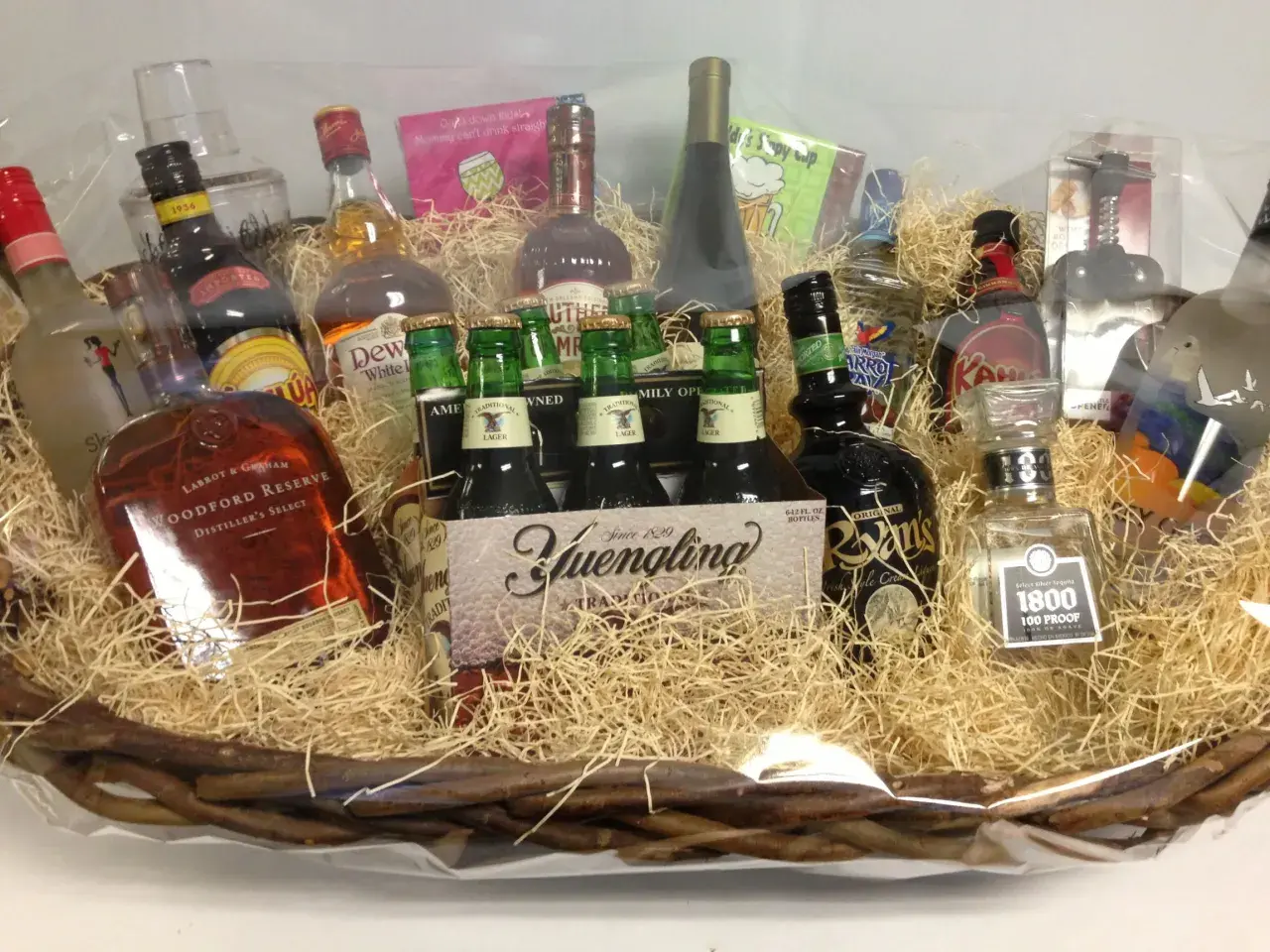
I usually plan these baskets backward: I start with the bidder, then the event format, then the bundle itself. The best charity gift basket ideas are not the fanciest ones; they are the ones that feel specific, useful, and easy to understand from across a room. For events and auctions, that means thinking about theme, perceived value, sourcing, and pricing at the same time.
Basket success comes from clear themes, smart bundling, and auction pricing that keeps people bidding.
- Themed baskets outperform random assortments because bidders instantly understand what they are buying.
- A single strong item plus a few supporting pieces usually works better than a crowded bundle.
- For silent auctions, a starting bid around 40% of fair market value and increments of 10% or $5 are practical benchmarks.
- Use sturdy, theme-matched containers and limit filler so the basket looks intentional, not busy.
- Local goods, food, self-care, family nights, pets, and sports themes tend to travel well with U.S. audiences.
- Plan sourcing early so donated items, gift cards, and packaging arrive before the event rush.
Match the basket to the kind of auction you are running
I treat the basket as a bidding trigger, not a storage container. The same bundle can perform very differently depending on whether it is going into a silent auction, a raffle, or a live auction, so the first decision is always format. If the audience is scanning dozens of items on a table or on mobile bidding, the basket has to explain itself in seconds.
| Event format | Best basket style | Why it works | Common mistake |
|---|---|---|---|
| Silent auction | Themed basket with one or two star items | Easy to scan, easy to understand, easy to bid on | Overstuffing it with filler that dilutes the value |
| Raffle or penny social | Broad-appeal basket with a lower entry cost | More people feel comfortable taking a chance | Making it too niche for a mixed crowd |
| Live auction | Premium package anchored by a standout item or experience | It needs to feel special from the stage | Using a small basket with no clear headline value |
The basket is only half the product; the other half is how quickly people can tell why they want it. Once the format is clear, theme selection gets much easier, which is where the real fundraising advantage begins.
Choose themes people actually want to win
When I sketch charity gift basket ideas for an auction table, I look for themes that are obvious in three seconds. In the U.S., practical leisure tends to outperform vague luxury because bidders can picture how they would use the basket, not just how it looks on a table.
| Theme | What to include | Why it sells |
|---|---|---|
| Movie night | Popcorn, candy, a streaming card, a blanket, and a snack tray | It is family-friendly, affordable to assemble, and instantly understandable |
| Tailgate or game day | Insulated cups, team-color accessories, grill spices, chips, and a cooler bag | It fits U.S. sports culture and feels useful before the event even starts |
| Spa reset | Candles, bath soak, lotion, face masks, and a salon or spa certificate | It feels like a real treat, even when the physical items are modest |
| Book lover | A recent bestseller, tea, a bookmark, a candle, and a bookstore gift card | It is clean, attractive, and easy to tailor to adults or teens |
| Home chef | Olive oil, spice blends, a cutting board, recipe cards, and kitchen towels | It reads as practical and premium at the same time |
| Pet lover | Treats, toys, a grooming voucher, a travel bowl, and a pet store card | Pet owners bid emotionally and usually notice strong presentation fast |
| Staycation | Local hotel or restaurant cards, toiletries, a travel mug, and a cozy throw | It feels like a getaway without requiring a major spend |
| Local sampler | Coffee, jam, honey, baked goods, soap, and gift cards from neighborhood shops | It supports community businesses and makes the basket feel personal |
A strong theme also makes the basket easier to donate, because supporters can see exactly what kind of item belongs in it. The clearer the story, the easier it is to build momentum before bidding even begins.
Build perceived value without overspending
The biggest mistake I see is spending money on too many small items when one or two stronger pieces would do more work. A basket should look generous, but it should also be efficient. That means using donated items, gift cards, and a few visible anchors rather than buying a cartful of filler.
| Practical spend | What it should look like | Best use |
|---|---|---|
| $25-$40 | A basket that appears to be worth roughly $75-$125 if most items are donated | School events, community raffles, and smaller nonprofit fundraisers |
| $50-$75 | A mid-tier package that feels like a thoughtful retail bundle | Silent auctions with a mixed audience and modest competition |
| $100-$150 | A premium basket with one strong anchor and several supporting pieces | Gala auctions, donor-heavy events, and packages expected to draw strong bidding |
- Use one or two star items. That could be a gift card, a voucher, a premium bottle, or a high-demand product.
- Avoid random filler. Tissue, ribbons, and a good container do more than a pile of low-value extras.
- Choose a reusable container. Coolers, tote bags, picnic baskets, crates, and storage bins often work better than a generic wicker basket.
- Keep the visual balance intentional. A basket should look curated, not crowded.
- Skip overbuying retail items. If you are paying full price for everything, your margin can disappear fast.
I like baskets that can be understood in one glance. If a bidder needs to inspect the contents to figure out why it matters, the presentation is doing too little work. Once the value feels real, the next step is pricing it so the room stays active.
Price it so people keep bidding
For silent auctions, I usually start with a practical rule of thumb: set the opening bid around 40% of fair market value or $5, whichever is greater. Then use bid increments of 10% of fair market value or $5, again whichever is greater. That keeps the item accessible without giving away too much of the upside too quickly.
| Item type | Starting bid approach | What I watch for |
|---|---|---|
| Standard themed basket | About 40% of fair market value | Enough room for multiple bids, but not so low that the item feels cheap |
| Unique or high-value package | Lower opening bid plus a reserve price | Protection against underselling something rare or hard to replace |
| Standout standalone donation | Do not force a bundle if the item already has strong appeal | Some items earn more when they are left alone |
If you have a high-value experience or a one-of-a-kind item, a reserve price can protect the organization from selling below a reasonable floor. I also like clean increments because bidders do the math faster when the jumps are simple: $5, $10, $25, $50, or $100 rather than awkward numbers that slow the room down. The easier it is to bid, the longer the competition lasts, which is exactly what you want.
Source donations early and make the ask specific
Basket planning gets much easier when I assign one person to own each theme. That person is responsible for gathering the items, tracking what has been promised, and making sure the package is complete before the event rush. I also try to start sooner than feels necessary. For a straightforward fundraiser, 2 to 4 weeks can work; for a larger gala or multi-basket auction, 6 to 8 weeks gives you much more breathing room.
- Restaurants: gift cards, dessert certificates, tasting menus, or wine-night vouchers.
- Salons and spas: service certificates, skincare products, or manicure and massage add-ons.
- Local shops: curated products that fit one theme, not a random shelf sweep.
- Fitness studios or sports retailers: classes, apparel, recovery gear, or branded accessories.
- Board members and volunteers: the finishing pieces that make the basket feel full and thoughtful.
The best donation ask is specific. Instead of saying, “Can you donate something?”, I prefer, “Would you help us complete the family movie night basket with a gift card or snack item?” That kind of request is easier to say yes to, and it reduces the back-and-forth that slows procurement. When the ask is clear, the basket gets done faster and looks more intentional.
Basket concepts that work well at U.S. events
Not every crowd wants the same thing, and that is worth respecting. A school gala, a neighborhood fundraiser, and a corporate charity night may all be in the United States, but the winning basket mix can still be different. I like to keep a few dependable concepts in rotation and then adapt them to the audience instead of trying to invent something novel every time.
| Crowd | Basket concept | What goes inside | Why it tends to win |
|---|---|---|---|
| Families and school communities | Game night or movie night | Board game, snacks, popcorn, candy, blanket, streaming card | It is broad, affordable, and easy to imagine using right away |
| Sports fans | Tailgate basket | Cooler, cups, grill spices, team colors, portable snacks | It feels seasonal, practical, and tied to a specific routine |
| Adults at a gala | Wine and cheese or date night | Wine, crackers, cheese board, restaurant cards, candles | It reads as a treat without needing a lot of explanation |
| Pet owners | Pet care basket | Treats, toys, grooming voucher, water bowl, pet store card | Pet buyers are often emotionally committed and willing to bid strongly |
| Community supporters | Local flavor basket | Coffee, honey, jam, bakery items, artisan soap, small gift cards | It feels tied to the neighborhood and supports local commerce |
| Wellness-minded bidders | Spa reset basket | Bath products, lotion, candle, robe, gift card, calming tea | It sells a simple promise: rest, comfort, and a break |
I would not make every basket a luxury basket. Variety helps the auction table feel alive, and it also widens the number of people who can picture themselves bidding. A strong mix of practical, indulgent, and local themes usually performs better than a table full of expensive baskets that all feel the same.
The last checks I make before the bidding starts
At the end of the build process, I do one final pass and ask whether the basket is actually ready to sell. That means more than making it look pretty. It means removing anything that confuses the story, tightening the display, and making sure the starting bid makes sense for the crowd.
- Does the basket communicate its theme in one glance?
- Is there a clear hero item that justifies the bundle?
- Are the supporting items useful, or are they just filling space?
- Is the container sturdy and appropriate for the theme?
- Are the starting bid and increments easy to read?
- Are restrictions, expiration dates, or donor notes visible?
- Does the display look clean, well lit, and complete?
The biggest mistakes are usually subtle: too much cellophane, too many filler items, an overbundled donation that should have stayed standalone, or a basket that needs a speech to make sense. When the room can understand a basket instantly, bids move faster. That is the standard I use: clear theme, honest value, smart pricing, and a presentation that feels finished without feeling overproduced. Get those four things right, and even a modest basket can become a strong fundraiser.
