
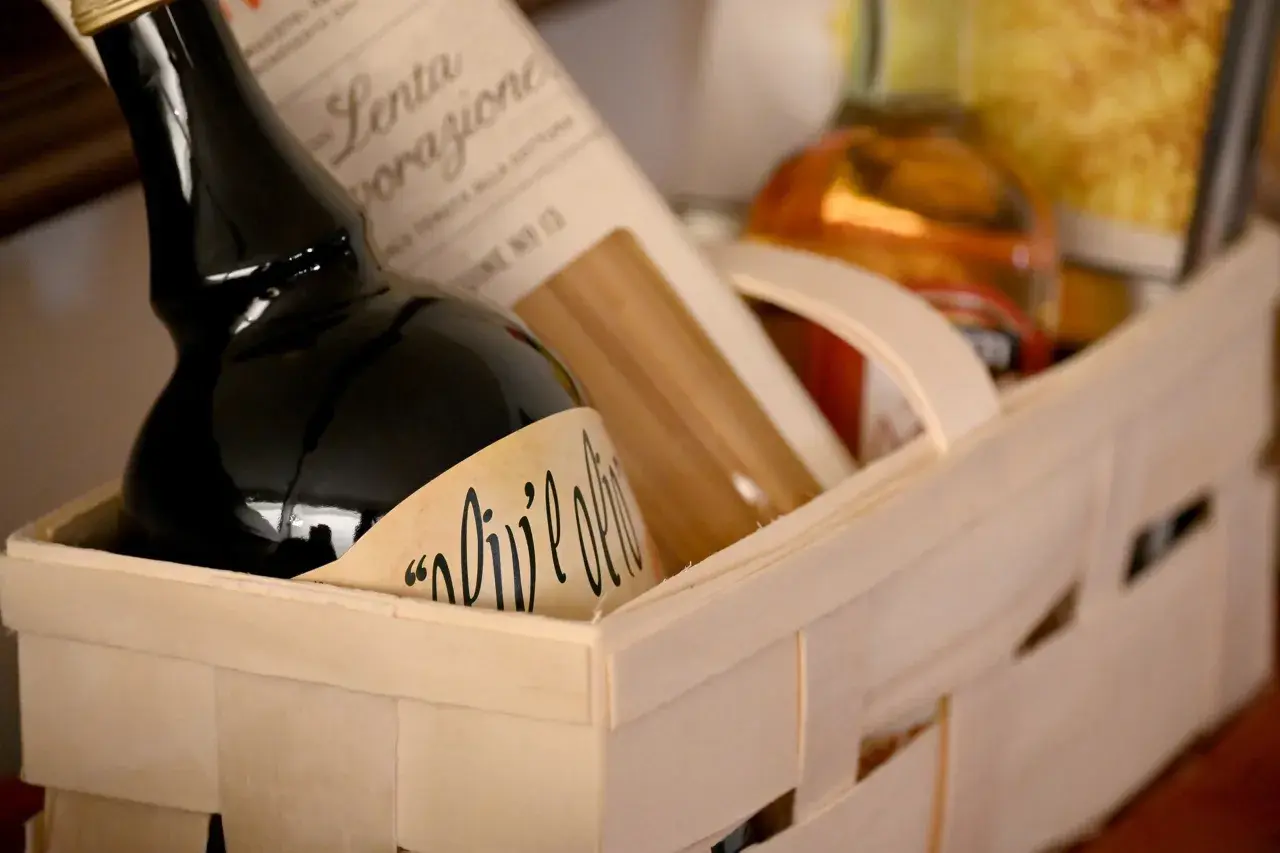
A Chinese auction is easiest to understand as a fundraiser that sits between a raffle and a silent auction. People buy tickets, place them with the prizes they want, and wait for a random draw to decide the winner. In the U.S., many groups now use names like basket raffle or penny social instead, and I would usually recommend that wording on public-facing materials. This article breaks down how the format works, how to price it, what prizes sell best, and what compliance checks matter before the first ticket is printed.
What matters most before the first ticket is sold
- It is a hybrid format: guests spend tickets on specific prizes, then winners are drawn at random.
- It works best when prizes are themed, visible, and easy to understand at a glance.
- Bundle pricing usually sells better than a single flat ticket price.
- State rules vary in the U.S., so permit, age, and recordkeeping checks come first.
- The format is strongest for community groups that can turn donations into a lively, low-barrier fundraiser.
How the format works in practice
I like this model because it gives supporters a sense of choice without asking them to calculate bids or watch a long auction. Each prize gets its own container, supporters drop in the tickets they want to commit, and a winner is drawn from that prize pool at the end. The mechanics are simple, but the event only feels smooth when the prize layout and ticket flow are designed well.
| Format | How people enter | What it rewards | Main trade-off |
|---|---|---|---|
| Traditional raffle | One ticket pool, one or more random draws | Simplicity and speed | Less control over specific prizes |
| Basket raffle | Tickets go into buckets beside the chosen prize | Choice and participation | Needs more setup and volunteer help |
| Silent auction | Guests bid specific dollar amounts | Competition around higher-value items | Can feel more intimidating to casual donors |
The reason this hybrid format works is that people feel they are directing their chance, not just hoping for a random payout. That makes it especially effective at school events, church fundraisers, and neighborhood drives where the crowd wants something fun and familiar rather than a formal bidding process. Once you see that pattern, the next question is obvious: what should actually be on the tables?
Prize strategy that actually drives participation
Prize quality matters more than prize count. I would rather see 20 themed baskets that make immediate sense than 60 donations that look like leftovers from five different closets. Supporters spend tickets when they can picture the use case in one glance, so the strongest prize tables are built around a clear story.
- Family-friendly bundles such as movie night, board games, streaming gift cards, or a pizza-and-pajamas basket give guests an easy yes.
- Practical everyday prizes like grocery cards, gas cards, or home goods feel useful, which keeps them competitive even when the event is casual.
- Experience baskets built around local restaurants, museum passes, salon services, or sports tickets often outperform random merchandise because they feel memorable.
- One or two headline items can anchor the room, but they work best when the rest of the table has decent depth behind them.
- Themed bundles help guests self-select quickly. A teacher basket, pet basket, spa basket, or coffee-lover basket does part of the selling for you.
If I were advising a committee, I would tell them to design each basket around a simple emotional promise. "Useful," "fun," or "special" is enough. Once a prize needs a paragraph of explanation, it is already too weak for this format.
Clear prize themes are only half the equation. The other half is making the ticket price feel easy enough that people will actually use those prizes.
Ticket pricing that keeps the room moving
Pricing is less about math perfection and more about friction. Guests need to feel that buying tickets is easy, but they also need enough incentive to spend more than once. Many events use bundle offers, such as 5 for $3 or 10 for $5, because bundles lower hesitation and quietly raise average spend. A standard 25-ticket sheet is still common in many basket-style fundraisers, especially when the room has several prize tiers.
| Pricing level | Example | Best use | Watch out for |
|---|---|---|---|
| Entry bundle | 5 tickets | First-time buyers and casual guests | Revenue can stay low if it is the only option |
| Core bundle | 25-ticket sheet | Main selling path for most attendees | Needs clear instructions so people understand how to use it |
| Premium pack | Multiple sheets or a larger bundle | High-value prize tables and committed donors | Can feel aggressive if the prize table is weak |
The cleanest approach is to offer three price points and keep them visible everywhere, not just at the checkout table. The moment a guest has to ask, "How many tickets do I need for this basket?" you have already lost some momentum. I also recommend matching the bundle structure to the crowd. A youth-sports dinner and a corporate gala do not want the same pricing psychology. The stronger your donated prizes, the more flexibility you have on bundles, but if you are buying items yourself, the margins tighten fast.
Good pricing supports the cause, but rules determine whether the event is even allowed to happen. That is where many first-time organizers get surprised.
U.S. rules and compliance that can derail an event
I never assume a fundraiser is legal just because I have seen something similar somewhere else. Raffle rules vary by state, and the practical details can include ticket age limits, permit thresholds, online sales approval, prize ownership, disclosure language, and how long records must be kept. For example, the New York State Gaming Commission limits how far in advance raffle tickets can be sold and requires approval for some online selling, while the Washington State Gambling Commission requires printed rules, sets an age minimum of 18 for buyers, and says prizes must be owned before they are awarded. That is enough to prove the point: the local rulebook matters more than generic advice.
| Checkpoint | Why it matters | What to confirm locally |
|---|---|---|
| Ticket sales window | Some states limit how early tickets can be sold | How far in advance sales may start |
| Buyer age | Some states restrict who can buy tickets | Whether there is a minimum age requirement |
| Prize ownership | Raffles can require prizes to be secured first | Whether the charity must own the prize before the drawing |
| Disclosure and printing | Rules may need to be printed on the ticket or handout | What information must be shown to buyers |
| Records and reporting | Missing records create audit and tax problems | How long tickets, sales, and prize records must be retained |
If your event crosses state lines, uses online ticketing, or offers high-value prizes, I would check the state gaming commission or attorney general guidance before you print a single sheet. That is not bureaucratic overkill. It is the difference between a well-run community fundraiser and an expensive cleanup.
Once the rules are safe, the next place to lose money is surprisingly ordinary: the event itself.
Common mistakes that quietly reduce revenue
The biggest mistakes are rarely dramatic. They are the small planning failures that make the room feel unclear, slow, or underwhelming. In my experience, the hidden cost is confusion, not lack of generosity.
- Too many similar baskets make the table look crowded without making it more persuasive. Guests want choice, but not repetition.
- Weak signs or poor layout force people to ask staff for basic information, which slows traffic and reduces impulse buying.
- Pricing that is hard to explain makes the event feel more complicated than it is. If the bundle logic takes too long, the buyer walks.
- Volunteers who cannot answer the rules create uncertainty. Even a casual fundraiser needs one person who knows the process cold.
- A slow drawing sequence drains energy at the exact point when the event should feel exciting.
- No clear pickup plan causes frustration at the end, especially when winners have to wait for their prizes or search for a table number.
The cleanest fix is usually not more decoration or more prizes. It is better structure: clearer categories, fewer surprises, and a volunteer who can explain the game in one breath. When the setup is that clean, the format starts to feel generous instead of noisy.
When it fits a community event and when I would skip it
This format shines when the crowd is broad, the prizes are donated, and the cause benefits from many small participation decisions. It is especially strong for schools, churches, youth sports leagues, local shelters, and neighborhood nonprofits that can gather prize baskets from sponsors or members.
- Strong fit for events with 50 or more attendees, because the room needs enough volume to make multiple prize buckets competitive.
- Strong fit for groups with donated goods and services, because the margins improve quickly when the prize table is built from community support.
- Weaker fit for very small gatherings, because the game loses energy when too few people are competing for each item.
- Weaker fit for audiences that expect a polished gala, because a basket-style fundraiser can feel too casual if the rest of the evening is high-end.
- Weaker fit when you only have one or two standout prizes, because a straight raffle or a silent auction is usually cleaner in that case.
When I am choosing between this format and a simpler fundraiser, I ask one question: will the audience enjoy making lots of small prize decisions? If the answer is yes, this is a strong tool. If the answer is no, I would switch to something more direct. That kind of matching is what keeps community fundraising efficient instead of exhausting.
The version I would use for a local fundraiser
If I were planning this for a school, parish, or neighborhood nonprofit, I would keep the event simple: one modern name, three ticket price points, prize themes people can understand instantly, and a rules sheet that fits local law. That version respects guests' time and usually does a better job of converting curiosity into ticket sales.
- Use a clear label. Basket raffle or penny social is easier for most U.S. guests to read than older terminology.
- Keep prize themes obvious. Food, family outings, self-care, and practical bundles usually outperform random clutter.
- Make entry feel easy. Small bundles and a visible display do more than a long explanation ever will.
- Check local rules early. Permits, ages, sales windows, and recordkeeping can change by state.
When the crowd understands the game in seconds and the prizes feel worth the ticket, the format stops being a novelty and starts becoming a reliable community fundraiser.
