
Fundraising works best when I treat it as a margin problem, not a vanity metric. Some profitable fundraisers succeed because they are simple to execute, easy for supporters to understand, and cheap to run; others fail because the event looks impressive but devours its own revenue. In this article I break down what makes a campaign genuinely profitable, which formats usually perform best in the U.S., and how to choose the right mix for your team.
What matters most when a fundraiser has to earn its keep
- Profitability is net revenue. A campaign that raises more money can still be a weaker choice if costs, fees, and staff time are too high.
- Repeatability matters. The best models are easy to run again and can build donor lifetime value over time.
- Matching and sponsorships are powerful. They often add revenue without forcing a bigger ask from supporters.
- Audience fit beats trendiness. A smaller idea that matches how your supporters behave usually outperforms a bigger idea that does not.
- Follow-up is part of the fundraiser. Stewardship, thank-yous, and second asks often decide whether the result is strong or merely busy.
What makes a fundraiser profitable in practice
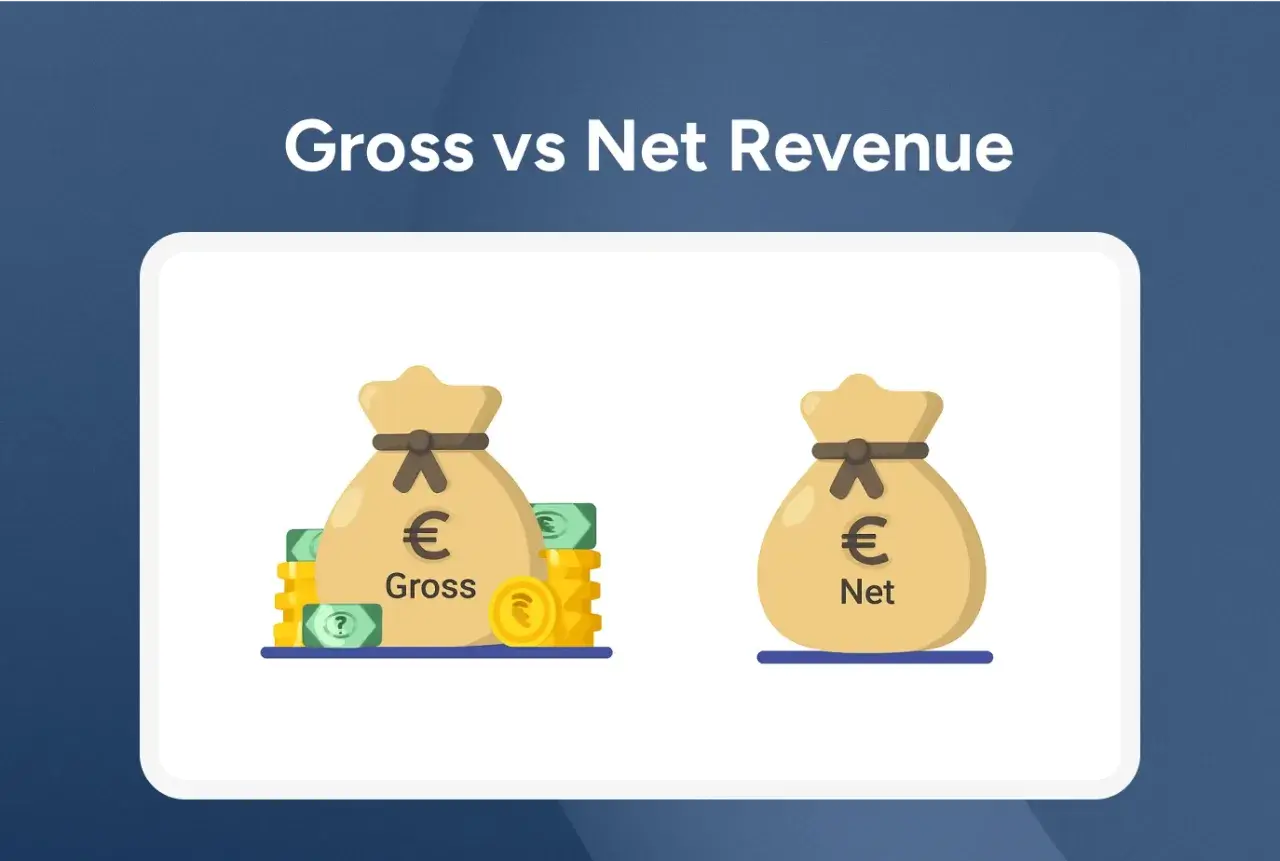
I start with one question: how much money is left after direct expenses, staff time, and donor acquisition costs? Gross revenue is useful, but net revenue is what pays the bills, and donor lifetime value is the total revenue one supporter generates over the full relationship, not just the first gift. That matters in 2026 because Giving USA notes that overall donor retention declined by 2.6%, while micro-donor retention fell 4.4%, so one-off wins are harder to rely on if they never turn into second gifts.A simple way to think about it is this: profit = gifts received - hard costs - platform fees - the real cost of labor. I am careful with labor because a campaign that needs three weeks of staff coordination can be less profitable than a smaller effort that runs cleanly in two days. If a fundraiser is repeatable, easy to scale, and good at bringing people back, it usually deserves a place in the plan.
That definition filters out a lot of flashy ideas and points straight toward the formats that actually earn their keep.

The fundraisers that usually deliver the strongest net return
When I look for efficiency, I pay attention to how a campaign makes money: by lowering costs, by widening reach through supporters, or by turning one donation into several. Two models stand out in the U.S. right now. Double the Donation's 2026 research shows sponsorships are the highest-ROI corporate partnership for 66.7% of nonprofit professionals, and matching gifts stay powerful because they unlock money donors can often claim through employers without increasing their out-of-pocket burden.
Matching gift prompts also help move donors across the finish line: recent reports show that 84% of donors are more likely to give when a match is offered, and one in three say they would give more if the match is applied. That is the kind of lever I like because it improves return without forcing a bigger ask.
| Model | Why it tends to work | Best fit | Watch out for |
|---|---|---|---|
| Matching-gift campaign | Turns one donor's contribution into a larger total with employer funds | Organizations with working professionals in the donor base | Needs reminders, clear eligibility prompts, and follow-up |
| Recurring giving drive | Builds a stable base that compounds over time | Missions that need predictable monthly support | Slower to grow, so it needs patience and stewardship |
| Peer-to-peer challenge or walk/run | Supporters bring their own networks and do part of the fundraising | Schools, youth groups, and community causes | Requires participant coaching and a clean digital setup |
| Sponsor-backed event or program | Corporate dollars cover fixed costs and improve the margin | Local organizations with business relationships | The sales process takes time and follow-through |
| Online giving day or short appeal | Low setup, fast launch, and strong urgency | Warm lists, urgent needs, and social-friendly campaigns | Attention span is short, so the message must be sharp |
| Auction or benefit dinner with donated items | Can be profitable if inventory and attendance are strong | Affluent supporters and in-person communities | Production costs can eat the margin fast |
| High-margin product sale | Works when markup is healthy and fulfillment is simple | Schools, youth groups, and organizations with repeat buyers | Inventory risk, shipping, and spoilage can erase profit |
If I had to rank these for pure efficiency, I would usually start with matching gifts, recurring giving, and sponsor-backed campaigns, then use peer-to-peer when I have enough volunteers or ambassadors to spread the message. The pattern is simple: the best models either shift cost to sponsors, shift reach to participants, or turn a single gift into future revenue.
How to choose the right model for your audience and team
The best format is usually the one your supporters already know how to support. If your donors behave like buyers, a product sale or event ticket can work. If they are motivated by movement and community, peer-to-peer fundraising is stronger. If they are corporate-connected, sponsorships and matching gifts deserve priority because the return can be much higher with no change in mission.
| Organization profile | Smart starting point | Why it fits |
|---|---|---|
| Small team with limited time | Matching-gift appeal or online campaign | Low lift, low overhead, and easy to launch quickly |
| School or youth group | Peer-to-peer challenge or product sale | Families help spread the ask and participation feels natural |
| Faith community | Recurring giving or seasonal special appeal | Regular touchpoints make repeated giving easier |
| Local nonprofit with business ties | Sponsor-backed event or program | Local companies can underwrite fixed costs and add visibility |
| Cause with active volunteers or runners | Walk/run or challenge campaign | Supporters are already willing to participate, not just donate |
I usually ask whether supporters are most likely to give because they want to attend, buy, compete, or simply feel part of something. That choice matters more than trendiness, because a smaller campaign that fits the audience can out-earn a larger one that feels awkward from the start.
How to increase margin without making the fundraiser feel cheap
The fastest way to improve profit is not to make the event bigger. It is to remove waste and add a second revenue layer where it makes sense. I think in terms of leverage, not decoration.
- Sell sponsorships before you sell tickets. If sponsors cover venue, food, or platform costs, the campaign gets profitable much faster.
- Add a matching-gift layer everywhere. Put matching prompts in event emails, confirmation pages, and thank-you messages so supporters see the opportunity more than once.
- Offer recurring giving at checkout. A monthly option can quietly increase donor lifetime value without changing the main campaign offer.
- Keep the donation path short. Fewer form fields, mobile-friendly payment, and clear suggested amounts usually beat clever copy.
- Use donated items only when they truly lower cost. A donated basket is helpful; a mountain of clutter is not.
- Follow up within 24 hours. Quick stewardship improves second-gift rates and keeps the campaign from ending at the transaction.
These tactics do not change the mission; they simply make the economics healthier. That is usually the difference between a campaign that feels busy and one that actually funds work on the ground.
Common mistakes that make a successful campaign less profitable than it looks
I see the same errors again and again, and most of them are fixable. They do not usually sink a fundraiser by themselves, but together they can cut deeply into the result.
- Counting gross instead of net. A large total sounds good until you subtract catering, printing, venue fees, platform costs, and staff hours.
- Choosing a format for familiarity rather than fit. A gala may be traditional, but a simpler digital campaign might do better with your audience.
- Overproducing the experience. If the decor, prizes, or entertainment become the story, your margin suffers.
- Ignoring corporate matching. Many teams leave easy employer dollars untouched because they never mention them clearly enough.
- Failing to convert first-time donors. If attendees disappear after the event, you have bought a one-night audience instead of a giving base.
- Running too many moving parts. Complexity increases mistakes, and mistakes usually cost more than they seem on paper.
A quiet campaign can beat a glamorous one if the glamorous version carries too much overhead. The goal is not to strip away personality; it is to keep the money working for the mission.
A 30-day launch plan for a higher-return campaign
If I needed to launch something quickly, I would keep the plan tight and sequence the work in a way that protects margin.
- Days 1 to 3: pick one core model. Choose the format that fits your audience best, then name one secondary lever such as matching gifts or sponsorship.
- Days 4 to 7: set the numbers. Define the net revenue target, the cost ceiling, and the minimum participation you need to call it a success.
- Days 8 to 12: build the offer. Write the ask, create the landing page, and make the payment flow as short as possible.
- Days 13 to 18: recruit the multipliers. Bring in ambassadors, sponsors, board members, or key volunteers who can extend the reach.
- Days 19 to 24: launch and remind. Send the first ask, then follow with short reminders that show impact, urgency, and any matching opportunity.
- Days 25 to 30: steward and measure. Thank donors quickly, track net revenue, and note what brought in the strongest response so the next campaign starts smarter.
That sequence sounds basic, but basic is usually where margin lives. The cleaner the launch, the more likely the campaign is to produce reliable revenue instead of administrative drag.
What I would prioritize first if I had to build the campaign from scratch
If I were advising a board in the U.S. this year, I would not start with the most elaborate idea in the room. I would start with the model that matches donor behavior, then add one multiplier that improves return without making the work unmanageable.
- For lean teams: matching gifts paired with a short online appeal.
- For socially active communities: peer-to-peer challenges or walk/run campaigns.
- For organizations with business relationships: sponsor-backed events or programs.
- For long-term stability: recurring giving built into every major ask.
The strongest profitable fundraisers are the ones that match audience behavior, protect margin, and make the next ask easier than the last one. Start with one core format, add one multiplier such as matching or sponsorship, and build the follow-up system before you build the decorations.
