
The practical version before you build anything
- Use a crowdfunding campaign for a clear, time-bound need with an easy-to-explain impact.
- Choose the model based on reach and capacity: direct appeal, peer-to-peer, or a hybrid of both.
- Keep the page short, mobile-friendly, and centered on one outcome donors can picture.
- Budget for platform and processing costs; the cheapest tool is not always the best one.
- Launch with a warm audience first, then widen the circle through ambassadors and social proof.
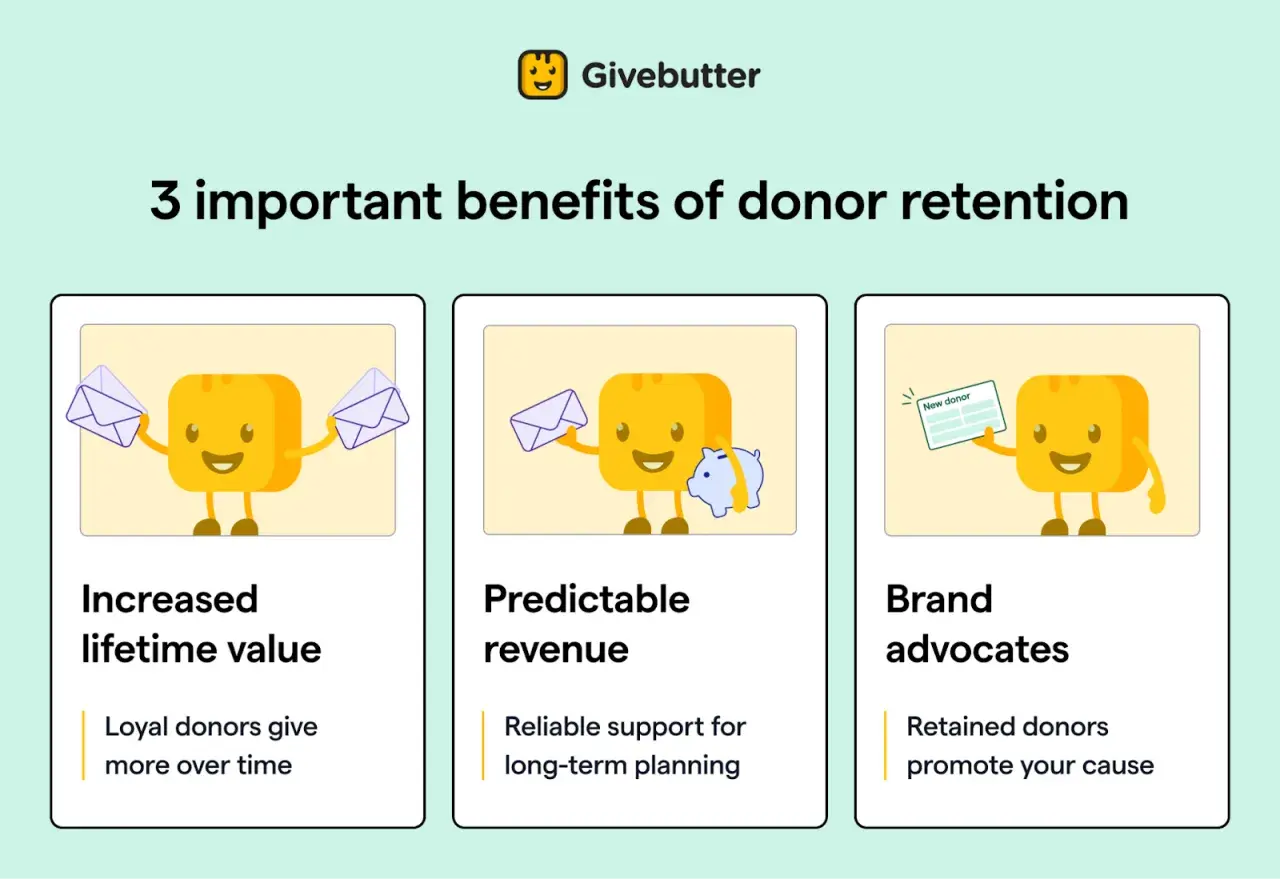
- Plan follow-up from day one, because first-time donors can become a reliable base.
What crowdfunding solves better than other fundraising channels
Used well, crowdfunding for nonprofits is a fast way to fund a visible need that many people can understand at a glance. It works especially well when the goal is concrete, the time frame is short, and supporters can see the result of their gift without needing a long briefing. I would not use it for every fundraising need, but I would absolutely use it when the story is immediate and the ask is easy to repeat.
That is also why it differs from other channels. Grants reward patience and documentation, events reward community presence, and major gifts reward relationship depth. Crowdfunding sits in a different lane: it is built for participation, momentum, and speed.
| Fundraising channel | Best use | Speed | Main limitation |
|---|---|---|---|
| Crowdfunding | Specific projects, urgent needs, matching campaigns | Fast | Needs a sharp story and active promotion |
| Grants | Programs, capacity building, multi-month funding | Slow | Competitive and often restricted by purpose |
| Events | Community engagement and sponsor visibility | Medium | Staff-heavy and easy to overproduce |
| Major gifts | Large operating, capital, or strategic needs | Slower | Depends on relationship cultivation |
I think the real question is not whether crowdfunding is “better,” but whether it fits the kind of giving you need right now. If you need broad participation around one visible goal, it is often the cleanest fit. That leads directly to the next decision: whether the campaign should be organization-led, supporter-led, or both.
Pick the campaign model that fits your capacity
Not every crowdfunding campaign should look the same. A small team with a modest list usually does better with a direct campaign page first, while a larger network can benefit from peer-to-peer fundraising, where supporters create their own pages and ask their own circles to give. In practice, the right model depends on how much control you want over the message and how much reach you can mobilize.| Model | What it looks like | Strength | Tradeoff |
|---|---|---|---|
| Direct campaign | The organization runs one main donation page | Simple, controlled, easy to launch | Reach is limited to your own audience unless you push hard |
| Peer-to-peer | Supporters build their own pages and ask friends to give | Expands reach quickly through personal networks | Needs training, templates, and more coordination |
| Hybrid | Main page plus supporter pages and ambassador outreach | Balance of control and scale | More moving parts than a single page |
If I were starting from zero, I would usually choose a direct campaign with a small ambassador layer instead of going all-in on peer-to-peer. That keeps the message tight while still letting a few committed supporters extend the reach. Once the model is clear, the page itself has to do the persuasion work.
Build the page around one story, one number, and one action
The strongest campaigns do not try to say everything. They make one need feel real, one outcome feel achievable, and one next step feel obvious. I like to think of the donation page as a decision page, not a brochure.
Start with one story people can retell
A donor should understand the need in a few seconds. That usually means one beneficiary, one location, one project, or one immediate problem. Abstract language about mission and impact is too soft on its own. A concrete story gives the campaign memory, and memory is what people share.
Set a goal that feels reachable and useful
Good goals are specific enough to feel real but flexible enough to allow momentum. I often recommend building the target from likely donor volume rather than from a wish list. For example, 200 gifts at an average of $75 gets you to $15,000. Then offer suggested amounts such as $25, $50, $100, and $250, plus a recurring option at $10 to $25 a month for supporters who want to stay involved.
Make the action obvious
People should not have to hunt for the donate button or wonder what to do next. Keep the headline, the progress bar, the donation form, and the share prompt close together. If you ask for give, share, and volunteer signups all at once, you slow the decision down. I prefer one primary action per page and one backup action for people who are not ready to give.
Read Also: Read-a-thon Fundraiser - Maximize Impact & Donations
Show proof, not just passion
Photos, short quotes, mini-milestones, and a clear use of funds make the page feel credible. Social proof means visible evidence that other people are already participating, and it lowers hesitation. If the page can answer what changed, who benefits, and why now, it is doing the hard part of the work.
Once the message is clear, the platform and fee structure decide how much of each donation you actually keep, so that choice deserves real attention.
Choose the platform and fee structure with intention
I budget for both the platform fee and the payment-processing fee, because the total matters more than the sticker price. In practice, all-in costs often land somewhere around 2% to 6%, depending on the tool, the payment method, and whether donors cover the cost. A slightly pricier platform that converts better can easily outperform a cheap one that frustrates supporters.
There are a few features I would treat as non-negotiable before I launched:
| Feature | Why it matters | What I want to see |
|---|---|---|
| Mobile checkout | Most supporters will decide on a phone first | Fast load time and a short donation flow |
| Recurring gifts | Turns campaign donors into a longer-term base | Easy monthly toggle with no friction |
| Data export and CRM sync | Makes follow-up and segmentation possible | Clean donor records and usable tags |
| Peer-to-peer tools | Helps supporters raise from their own circles | Simple page creation and tracking |
| Matching gift support | Can raise urgency and average donation size | Easy place to highlight a match deadline |
| Automated receipts | Saves time and improves stewardship | Immediate confirmation plus clean acknowledgment records |
I do not love donor-pays-fee prompts when they are hidden or handled clumsily, but I do like them as an optional way to protect margin on small gifts. The key is not to make the donor feel like they are paying a surcharge to participate in your mission. Once those choices are settled, the campaign lives or dies on the first few days of promotion.

Launch the first 72 hours with momentum
The launch window matters more than most teams expect. I like to warm up the campaign for 3 to 7 days with board members, staff, and a small group of loyal donors before the public push. That gives you early gifts, visible progress, and the confidence to ask the wider audience without starting from zero.
- Brief your board and staff on the exact ask, the deadline, and the story they should repeat.
- Prepare a small ambassador kit with copy, images, and one clean link so sharing is effortless.
- Send personal asks before the public announcement, especially to donors who already trust the organization.
- Line up email, text, and social posts in advance so the campaign feels coordinated, not improvised.
- Use one match, deadline, or milestone to create a reason to act now.
- Reply quickly to comments, shares, and questions so the early energy does not stall.
For most nonprofit teams, a 14- to 30-day campaign is a useful window. It is long enough to build momentum and short enough to preserve urgency. When the campaign is too open-ended, urgency fades; when it is too short, you do not leave enough time for supporters to spread the word. That balance matters because the next risk is not lack of intent, but the small friction points that quietly reduce conversion.
The mistakes that quietly flatten results
The Fundraising Effectiveness Project reported that total charitable dollars rose by an estimated 5.0% in 2025 even as donor counts declined by 3.6%. I read that as a warning, not just a trend line. Nonprofit fundraising has to win both acquisition and retention, and crowdfunding can do the first part well only if the campaign avoids the friction that scares away smaller donors.| Mistake | Why it hurts | Better move |
|---|---|---|
| Vague need | People do not know what their money changes | Anchor the ask to one clear outcome |
| Too many form fields | Every extra step reduces completion | Ask only for what you truly need at checkout |
| One-size-fits-all messaging | Different donor groups respond to different language | Segment warm donors, peers, and first-time visitors |
| No mobile testing | The page may look fine on desktop and fail on a phone | Test the full donor flow on mobile before launch |
| Weak follow-up | First-time donors never become repeat donors | Automate thank-yous, updates, and a second ask later |
| Forgetting receipts | Stewardship and tax documentation become messy | Automate acknowledgment as part of the campaign workflow |
For U.S. nonprofits, I also treat acknowledgments as non-negotiable for larger gifts, because the donor needs clean documentation for tax purposes. That is not glamorous work, but it is part of the trust-building that keeps a campaign credible. Once those leaks are fixed, the campaign can do more than bring in cash once; it can seed a donor base you can build on.
What I would launch first on a small team
If I were starting with limited capacity, I would keep the campaign tight and practical. I would not try to build a complicated fundraising machine on day one. I would choose one story, one audience, and one clear outcome, then make sure the thank-you and follow-up process was already written before the first gift arrived.
- One specific project with a visible beneficiary or community impact.
- One 14- to 21-day campaign window with a clear end date.
- One main page, one matching moment, and a small ambassador group.
- One thank-you sequence within 24 hours, one impact update within 7 days, and one follow-up touch after the campaign closes.
- One retention move: invite donors into a recurring gift at a realistic level such as $10, $15, or $25 a month.
That is the version I trust most: specific, mobile-friendly, and easy for supporters to repeat. Done that way, crowdfunding becomes less about chasing one-time gifts and more about opening a durable path into your mission.
