
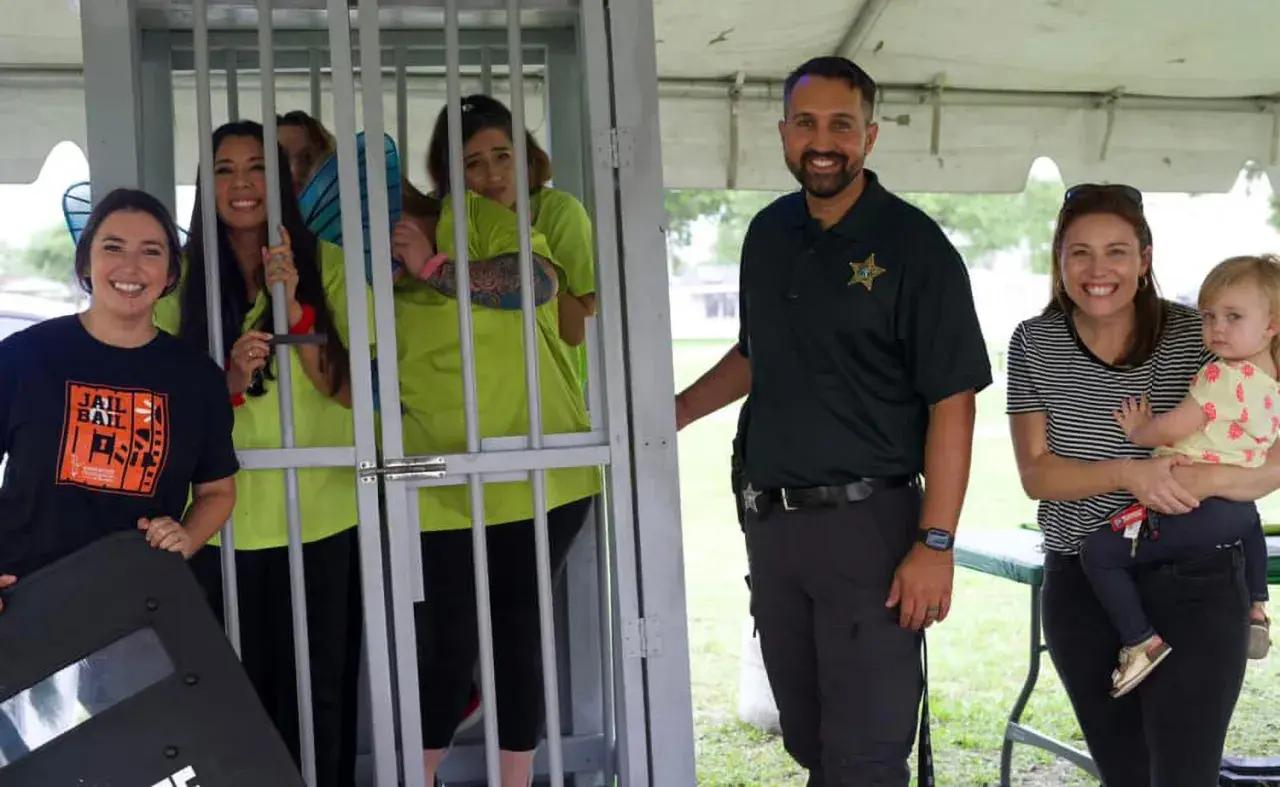
A jail and bail fundraiser turns a mock arrest into a peer-to-peer donation drive: participants are “booked,” set a bail target, and call on friends, coworkers, and family to help them get released. It works because the format is playful, public, and easy to explain in one sentence, which makes it a strong fit for community groups, schools, workplaces, and nonprofits that want energy without a huge event budget. In practice, the best versions feel like a shared social moment, not a gimmick, so the planning matters more than the props.
The essentials at a glance
- The format works best when each participant becomes their own fundraiser, not just a guest at an event.
- Simple numbers help: a low-cost warrant, a realistic bail goal, and a short jail time keep momentum high.
- Mobile giving should be the default in 2026, because the fastest donations usually come from a phone screen.
- The event succeeds when the humor supports the cause instead of distracting from it.
- Permissions, consent, and clear public messaging matter more than most organizers expect.
Why this format gets attention so quickly
I usually think of this fundraiser as peer-to-peer fundraising with a theatrical hook. The “arrest” creates a story people want to share, while the bail target gives them a clear action to take right away. That combination matters: people donate faster when they understand who needs help, how much is needed, and what happens next.The format is strongest when your audience already has a social connection to the participants. A boss, teacher, coach, board member, or local volunteer can all work well because the appeal feels personal and a little funny at the same time. It is weaker when the cause needs a solemn tone or when the audience is sensitive to public embarrassment, so I would treat it as a good tool, not a universal one. Once you know it is the right fit, the event itself is straightforward to build.
How the event works from nomination to release
- Pick participants who are comfortable being publicly nominated and who can help promote their own release.
- Sell or assign arrest warrants so the organization starts raising money before event day.
- Set a bail amount for each participant that is high enough to matter but low enough to feel winnable.
- Create a mock booking moment with a photo, a short explanation, and a donation link or QR code.
- Have the participant contact supporters immediately and keep the fundraising window tight.
- Release the participant once the bail goal is met, then publicize the result to show momentum.
The simplest version is the best version: one person, one story, one target, one clear way to give. When the flow is easy to understand, people spend less time figuring out the event and more time donating to it. The next step is making the experience feel organized instead of chaotic.
How to stage the event so it feels fun instead of messy
I would keep the staging light, visible, and easy to photograph. You do not need an elaborate fake jail to make this work; a few bars, a booking table, a judge’s desk, and clear signage are usually enough. What matters is that people instantly understand what is happening when they walk by.
- A visible “booking” table where participants are introduced and photographed.
- A simple jail backdrop or prop that looks intentional, even if it is homemade.
- A sign that explains the cause in plain language, not in clever jargon.
- A QR code and short donation URL posted where people naturally look.
- A volunteer or emcee who can keep the tone brisk and friendly.
For public events, I would also keep the run-of-show short. Ten to twenty minutes per participant is usually enough to create urgency without making the crowd wait. Once the staging is clean, the next question is how to set the money targets so the event feels ambitious but still achievable.
How to set warrant prices, bail targets, and a workable budget
The numbers should support the story, not fight it. I like to start with a low enough entry point that people can say yes quickly, then build the bail target high enough to generate a real fundraising push. If the amount feels random, donors hesitate; if it feels attainable, they act.
| Event piece | Practical starting point | Why it works |
|---|---|---|
| Warrant price | $10 to $25 | Low friction for the person issuing the “arrest” and easy to explain. |
| Bail target per participant | $100 to $250 | Large enough to matter, small enough for friends to help close quickly. |
| Time in “jail” | 10 to 20 minutes | Keeps energy up and prevents the event from dragging. |
| Promotion window | 2 to 3 weeks | Gives participants enough time to ask without losing urgency. |
| Direct event costs | $100 to $300 for a lean setup | Feasible when the venue, props, and volunteers are donated or borrowed. |
If you have a stronger donor base, the upper end can go higher, but I would not jump there first. The right number is the one you can explain in a single sentence and defend with confidence. That moves naturally into the part that usually determines whether the event actually raises money: participant outreach.
How to turn each participant into a donor magnet
The real fundraising engine is not the jail prop; it is the participant’s network. Each person should know exactly who to ask, what to say, and when to send the appeal. If you give them a script, a graphic, and a deadline, you remove the awkwardness that slows down most peer-to-peer campaigns.
I would build the messaging around three touchpoints:
- Announcement - let supporters know the participant has been nominated and explain the cause.
- Arrest day - share the photo or mugshot-style image, the bail amount, and the donation link.
- Final push - send one short reminder a few hours before release, especially if the target is close.
In 2026, mobile giving should be the default, not an extra. A donation page that loads fast, a QR code that scans cleanly, and one-click payment options usually outperform long explanations and clunky forms. Once the ask is clear, the last thing to get right is the guardrails around the event.
Risks, permissions, and ethics you should handle early
This kind of fundraiser is supposed to be lighthearted, but it still needs boundaries. I would get written consent from every participant, confirm the venue’s rules, and avoid any setup that could confuse the public or look like a real emergency. If you are using uniforms, public spaces, or law-enforcement-style visuals, make sure they are approved and unmistakably theatrical.
- Do not surprise minors or people who may not want public attention.
- Make the opt-out path simple for anyone who changes their mind.
- Avoid language or props that could create panic in a public setting.
- Check accessibility so everyone can enter, donate, and participate comfortably.
- Be careful with photos and social posts if a participant does not want their image widely shared.
For a U.S. audience, I would also keep the event family-friendly and legally boring behind the scenes. That is usually the right tradeoff: more planning up front, fewer problems on event day. With those basics in place, the format can do something many fundraisers struggle to achieve - it makes giving feel immediate and social, not abstract.
Why I would still use this format for the right cause
When the goal is community engagement, this fundraiser has real strengths. It creates a story people can repeat in one sentence, it gives supporters a reason to act immediately, and it turns ordinary participants into active fundraisers instead of passive attendees. That is especially useful for schools, civic groups, service clubs, and nonprofits that already have a visible local network.
I would not choose it for every campaign. If your cause depends on privacy, quiet dignity, or very serious messaging, a calmer peer-to-peer appeal or a direct donation drive may be better. But when the audience is open to a little humor and the cause can benefit from public momentum, the format is efficient, memorable, and surprisingly effective. If I were launching one from scratch, I would keep the story simple, the numbers realistic, and the donation path frictionless - and that combination usually does the heavy lifting.
