
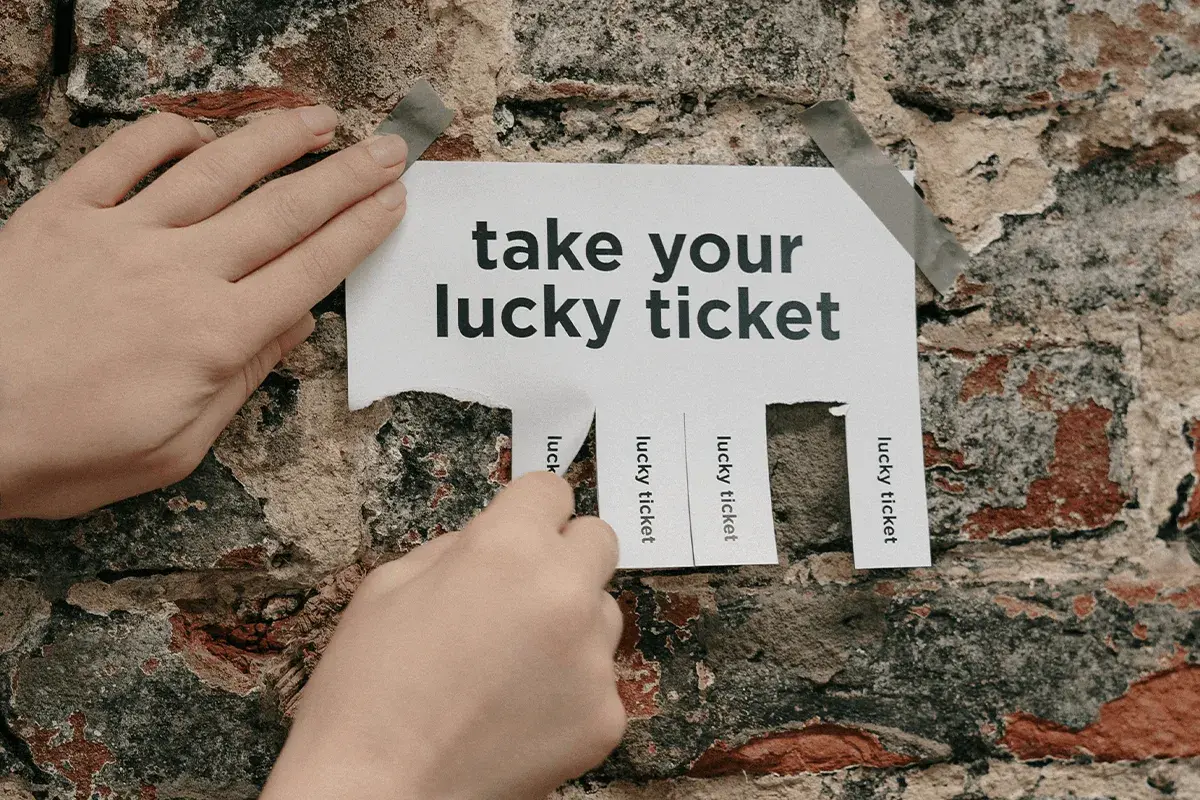
A strong raffle does more than sell tickets. It gives people an easy way to support a cause, and it makes the room feel active without turning the event into a bidding war. The best raffle ideas are the ones that fit the audience, the budget, and the kind of night you are trying to create.
What matters most before the drawing starts
- I start with one headline prize, a few mid-tier options, and at least one low-friction entry point.
- Gift cards, themed baskets, and experience prizes are usually the safest ticket-sellers.
- A single-ticket price around 1% to 3% of the prize value is a sensible starting point, then I add bundle pricing.
- Basket themes work better when they feel like a complete use case, not a pile of leftovers.
- State rules and tax or reporting duties need to be checked before tickets go on sale.
Start with the crowd you expect
I never pick prizes in a vacuum. A PTA crowd wants different incentives than a gala audience, and both are different again from a neighborhood festival. If I know who is most likely to buy tickets, I can shape the prize mix so it feels useful, attainable, and worth the ask.
| Audience | Prize style that usually works | Why it works |
|---|---|---|
| Families and school communities | Movie-night packs, kids activity baskets, restaurant gift cards | Easy to understand, easy to use, and broad enough for many households |
| Donors at galas and auctions | Spa packages, travel stays, premium electronics, private experiences | Feels special and aspirational, which lifts ticket value |
| Community festivals | Local business bundles, service vouchers, 50/50 options | Fast decisions matter more than polished presentation |
| Volunteers and staff events | Coffee kits, wellness baskets, desk gear, practical gift cards | People respond quickly to prizes they can use immediately |
One pattern I keep seeing in Givebutter’s fundraising guidance is simple: people respond fastest to prizes they can picture using right away. That is why I usually think in terms of usefulness, not novelty. Once the audience is clear, the next step is choosing prize categories that can carry the sale.
Prize categories that consistently sell tickets
I like to build the raffle around three layers. The first layer is a few low-cost items that create volume. The second layer is a middle band of prizes that feels generous without being intimidating. The third is one or two headline items that make people stop and look twice.| Prize value | Examples | Ticket approach | Best fit |
|---|---|---|---|
| Under $100 | Grocery cards, coffee bundles, plants, bakery boxes | $1 to $5 single tickets, then a simple bundle | Schools, fairs, staff events, large crowds |
| $100 to $500 | Spa voucher, family game-night basket, restaurant bundle, home self-care set | $5 to $20 single tickets with bundle discounts | Community fundraisers and mid-size events |
| $500 to $3,000 | Tablet, smart speaker, premium cooler, weekend stay, sports tickets | $20 to $50 tickets, usually with stronger bundle pricing | Galas, donor dinners, hybrid auctions |
| Above $3,000 | Travel package, luxury stay, major experience, high-end consignment item | Limited tickets and a clear story around value | Premium events where the audience expects a bigger draw |
The key is balance. A raffle table that is all small items can feel flat, but one giant prize with nothing else around it can leave money on the table. I want people to see something they can afford, something they want, and something that feels just out of reach. That mix keeps the event inclusive without making the prize pool feel cheap.

Basket themes that feel specific, not generic
A basket works best when the winner can picture using it on Saturday night. If it feels like leftovers from a storage closet, it will not move many tickets. I try to keep each basket to one clear promise, one anchor item, and a few supporting pieces that make the story obvious.
- Movie night at home. Add popcorn, candy, a streaming card, and a blanket. It sells because the use case is immediate and familiar.
- Local flavors box. Mix coffee, jam, honey, bakery treats, or artisan snacks from nearby businesses. This supports community partners and feels rooted in place.
- Self-care reset. Think candles, bath salts, tea, a journal, and a gift card to a spa or wellness studio. It feels restorative without being expensive to assemble.
- Outdoor weekend kit. Pack sunscreen, a picnic blanket, a water bottle, trail snacks, and a small gift card for gear. It works well for spring and summer events.
- Family game night. Include a board game, pizza card, and snack items. It is simple, broad, and very easy to explain on signage.
- Pet parent package. Add treats, toys, a grooming voucher, and one fun accessory. Pet owners are often highly responsive to prizes that feel personal.
I would rather have six well-built themes than twenty random objects. A basket with a clear identity feels curated, and curated feels valuable. From there, I look at experiences and local partnerships, because they often produce the biggest return per donated dollar.
Experience prizes and local partnerships that elevate the draw
Experience-based prizes are one of the most efficient ways to make a raffle feel special. Museum passes, restaurant tastings, sports tickets, behind-the-scenes tours, classes, home-cleaning services, pet care, and spa appointments all have strong appeal because they offer something people would not normally buy for themselves. They also fit neatly into event-and-auction settings, where the raffle needs to complement larger bids instead of competing with them.
Local partnerships matter for another reason: they stretch the budget. A small business may be more willing to donate a service, a voucher, or a one-night experience than a high-value physical item. That means the perceived value can be high even when your cash outlay is low. For community organizations, that is a practical win and a relationship win at the same time.
I also like prizes that connect back to the mission. A literacy nonprofit can offer bookstore gift cards or a family museum day. An animal rescue can offer pet care or grooming. A health-focused group can lean into wellness, classes, or restorative services. That kind of alignment makes the raffle feel like part of the cause instead of a side attraction. Once the prize mix is set, pricing is what turns good ideas into actual revenue.
Price the tickets so the math feels easy
I usually begin with a simple rule of thumb: single tickets should feel like a small decision, not a financial negotiation. In practice, that often means setting the price at roughly 1% to 3% of the top prize’s retail value, then adding a bundle that makes the second purchase feel smarter than the first.
| Raffle format | Best for | Pricing approach | Tradeoff |
|---|---|---|---|
| Standard prize raffle | Most nonprofits, schools, and community events | Low-to-mid ticket prices with bundle discounts | Needs a prize display that looks worth entering |
| Basket pull | PTAs, fairs, family events | Tickets dropped into the basket people want | Too many baskets can overwhelm buyers |
| 50/50 draw | High-traffic events with quick decision-making | Low entry price and strong volume | Less storytelling and less mission framing |
| Reverse raffle | Gala-style programs with a suspenseful stage moment | Fewer, higher-value entries | More setup, more rules, and more moving parts |
For concrete pricing, I think in ranges. A prize worth a few hundred dollars often works with $5 to $20 tickets. A larger package usually needs $20 to $50 tickets, especially if the event audience is already comfortable with higher-value giving. Bundle pricing matters just as much as the base price: three-for-$25 or five-for-$40 can lift sales because the buyer feels rewarded for acting quickly. The goal is not to make the ticket cheap. The goal is to make the purchase feel easy.
That pricing logic matters even more when the raffle sits next to a silent auction. I want the auction to capture the people who are ready for larger commitments, while the raffle gives everyone else a lower-barrier entry into the night. Once the numbers make sense, the next job is making sure people notice the prize pool in the first place.
Promote the prize pool like part of the show
A raffle does not sell itself just because the prizes are good. I treat promotion as part of the event design. The cleaner the message, the more likely people are to buy without hesitation.
- Lead with the headline item. The first image or sign should show the most desirable prize, not the smallest one.
- Describe the use, not just the object. “Family movie night for four” sells better than “assorted basket.”
- Show one clear call to action. People should know how to buy, when the drawing happens, and whether they need to be present.
- Use the venue as a sales tool. At check-in, near the bar, or beside the silent auction, a well-placed display can do a lot of heavy lifting.
- Repeat the deadline. Urgency matters more than clever copy.
- Sell the mission alongside the prize. Buyers are more comfortable spending when the cause is visible.
I also like to keep the ticket process as frictionless as possible. If an online attendee has to click through too many steps, or a guest at the door has to wait in a line just to enter, conversions drop. A raffle should feel like an easy yes, not another chore on the event checklist. Before I sell that first ticket, though, I make sure the legal and accounting side is clean.
Keep the rules and paperwork clean
U.S. raffle rules are not uniform, so I would never assume that what worked at one event is automatically allowed at another. Some states require registration, some limit who can run a raffle, and some impose very specific reporting or accounting rules. I check eligibility first, then I decide on the format, then I print anything.
- Confirm that the organization is allowed to conduct the raffle in the state where the event happens.
- Check whether the raffle needs registration, a permit, or a licensed nonprofit structure.
- Decide in advance whether winners must be present and how unclaimed prizes will be handled.
- Keep a ticket log and a simple record of sales so reconciliation is painless later.
- Separate raffle proceeds from other event revenue when local rules call for it.
- Prepare winner documentation before the drawing, especially for larger prizes.
The IRS treats raffle winnings as taxable income, so I do not wait until after the event to think about reporting. For larger prizes, the winner paperwork can matter just as much as the prize itself. That is not a reason to avoid a raffle. It is a reason to run it like a real fundraising tool instead of an improvisation. Once those basics are in place, the event feels much more professional and much less risky.
The mix I would use for a community fundraiser
If I were building a raffle from scratch for a school, nonprofit, or local gala, I would keep the structure simple: one item people will talk about, three to five mid-tier baskets or packages, and several lower-cost options that let almost anyone join in. That mix gives the event range without making it feel cluttered.
For a family-heavy event, I would lean practical and friendly: gift cards, movie-night bundles, game-night baskets, and one experience prize that parents can actually use. For a gala, I would shift toward a premium headline item, a couple of high-value experiences, and a cleaner, more polished display. For a neighborhood fundraiser, I would keep the emphasis local and accessible so the raffle feels like a community habit, not a luxury purchase.
The strongest raffle is not the flashiest one. It is the one people understand in five seconds, trust enough to support, and feel good about entering because it helps the mission as much as it entertains the room.
