
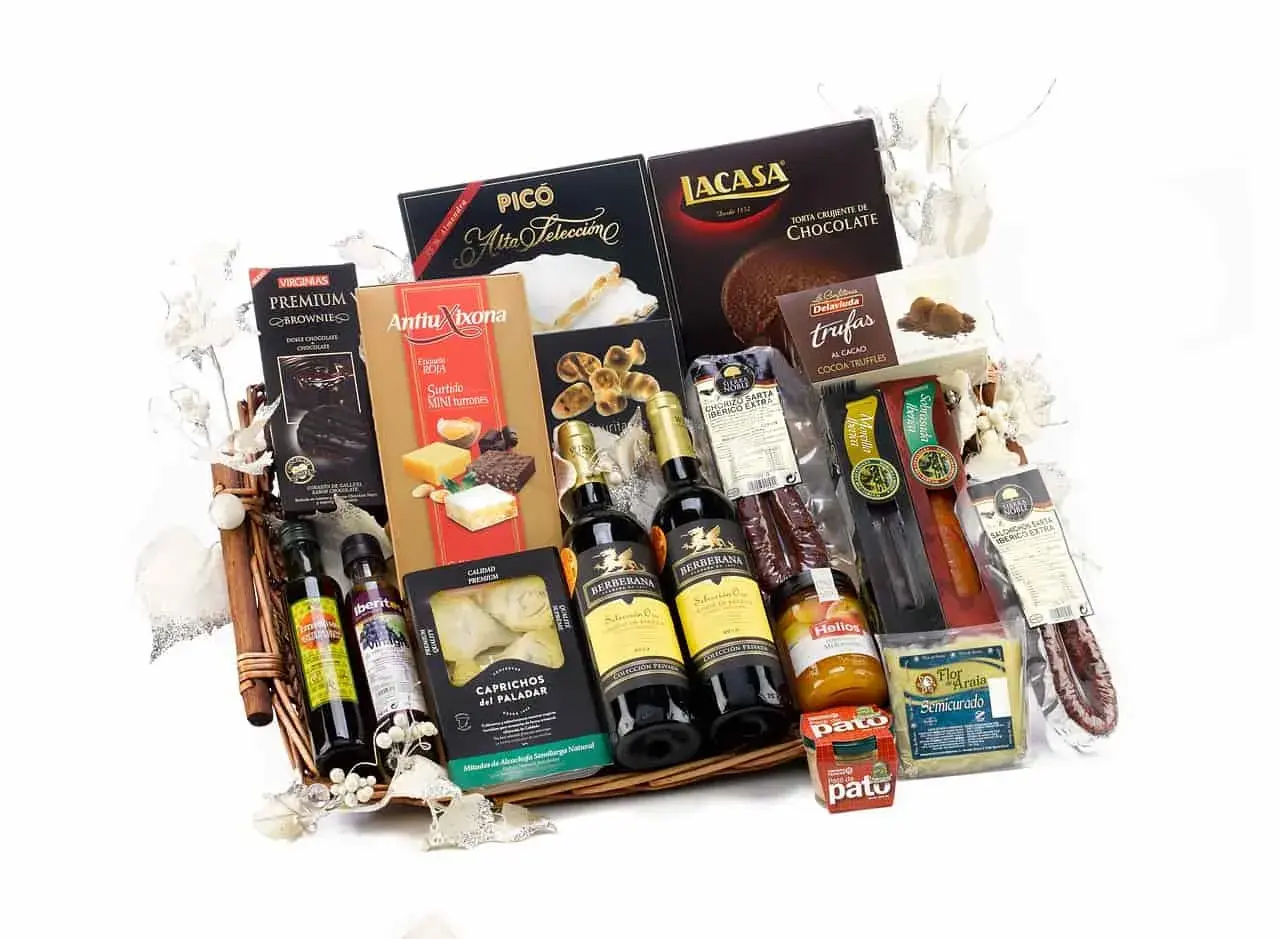
Basket themes win when they feel useful, local, and worth the bid
- Start with one audience profile instead of collecting unrelated items and hoping they fit together.
- Choose themes people can use quickly, such as food, family nights, self-care, or local experiences.
- Anchor each basket with one strong item so the display feels valuable even if several pieces were donated.
- Set opening bids around 30% to 50% of fair market value and keep increments small enough to stay competitive.
- Presentation matters: clear labels, a tidy palette, and a reusable container make the basket look more premium.
Why themed baskets work better than a mixed pile of donations
I start with the audience first, because a basket that fits real donors beats a basket that merely looks full. A clear theme lowers decision friction: people can scan the item, picture the use case, and decide whether it belongs in their home or routine. That is why a well-built basket often outperforms a generic pile of donated products, even when the pile has a similar retail value.
- Clear use case - bidders immediately understand what they would actually do with it.
- Emotional fit - a good theme feels personal, useful, or indulgent in a way random items do not.
- Perceived value - a curated basket looks more expensive than loose donations of the same cost.
In practice, a theme also makes procurement easier, because donors know exactly what to contribute and sponsors can see where their brand fits. Once that logic is in place, the next step is choosing themes that reliably attract bids.
Food and drink baskets that usually attract bids
Food baskets are dependable because they are consumable, familiar, and easy to value. They also give you a lot of room to scale the budget: a modest basket can lean on artisan snacks and a gift card, while a premium one can include specialty items, local products, and an experience to match.
- Morning coffee and pastry kit - ground coffee, a travel mug, biscotti, and a bakery card.
- Movie-night snack box - popcorn, candy, a streaming card, and a cozy throw.
- Local restaurant sampler - gift cards from 2 to 4 nearby spots, plus a small guide card.
- Wine and chocolate evening - only if your venue policy, state rules, and donor documentation all allow it.
- Grill master basket - rubs, sauces, tools, and a butcher or market card.
- Pantry upgrade basket - olive oil, pasta, sauces, spices, and a serving board.
I treat alcohol baskets carefully in the United States: they can work well, but only when venue policy, local law, and donor paperwork all line up. If that becomes messy, a food-only basket usually wins on simplicity and fewer compliance headaches.
From there, the strongest next move is usually to build baskets around routines people already have.
Hobby and family baskets that fit different bidder types
For broader audiences, I prefer baskets that map to routines: a Friday night at home, a Saturday project, a rainy day with kids, or a quiet hour after work. Those themes are useful because bidders do not need to be hobby experts to want them.
| Theme | What to include | Who it fits | Why it works |
|---|---|---|---|
| Game night | Board game, card game, snacks, score pad, gift card | Families, couples, friend groups | Immediate use and broad appeal |
| Spa at home | Bath soak, lotion, candle, tea, robe, slippers | Adults who want a low-effort treat | Feels luxurious without needing a big budget |
| Garden starter | Seeds, gloves, tools, pots, mulch coupon, plant shop card | Homeowners and hobby gardeners | Seasonal, practical, and easy to expand |
| Pet parent | Treats, toys, leash, grooming card, reusable bowl | Pet owners | Highly personal and emotionally sticky |
| Reading corner | Books, bookmark, lamp, tea, bookstore card | Quiet bidders and book lovers | Simple theme with low clutter |
| Weekend breakfast | Pancake mix, syrup, jam, coffee, serving items | Families and hosts | Feels useful and giftable |
The pattern is simple: if the basket solves a real weekend problem or adds comfort to a routine, bidders understand it fast. That makes it easier to move from general appeal to something that feels connected to your organization’s mission.
Community-aligned baskets that support a mission
For nonprofits, schools, and community events, I like baskets that quietly reinforce the cause instead of competing with it. A mission-aligned basket can still be fun, but it also signals that the event knows its audience and respects the community behind it.- Local business showcase - a mix of gift cards and products from nearby shops.
- Teacher appreciation kit - supplies, coffee, desk accessories, and classroom treats.
- Back-to-school reset - lunch gear, planners, snacks, and a bookstore card.
- Caregiver self-care basket - tea, candles, lotions, and a meal card.
- Arts and culture night - museum passes, gallery shop items, and dinner out.
- Neighborhood favorites - local snacks, artisan products, and branded souvenirs.
These baskets often perform well because they reward local pride, which is a strong bid trigger in community-centered events. Once the theme is set, presentation decides whether the basket reads as a thoughtful package or just a collection of stuff.
How to make a basket look high value without overspending
The best-looking baskets are usually curated, not crowded. I would rather see one strong anchor item, a few supporting pieces, and a clean display than a basket stuffed with low-value extras that make the whole thing feel cheap.
- Pick one anchor item - a gift card, premium product, or experience that defines the basket.
- Limit the supporting items - three to six extras usually feels intentional.
- Repeat one color family - matching packaging and tissue paper make the basket feel designed.
- Show the value clearly - include a simple printed card with major items and donors.
- Use a useful container - a crate, tote, cooler, bowl, or tray is better than random filler.
- Skip clutter - shredded paper is fine, but it should support the display, not hide weak contents.
A basket with a strong visual hierarchy also photographs better, which matters if you are previewing items online before the event. From there, the next lever is pricing, because even a beautiful basket stalls if the opening bid feels wrong.
Pricing and bid levels that keep the room active
A practical pricing strategy keeps the opening bid low enough to invite the first hand raise and high enough to protect the donor value. In most events, I start around 30% to 50% of fair market value and use bid increments around 5% to 10% of the opening bid.| Basket value | Suggested starting bid | Typical increment | Best use |
|---|---|---|---|
| $50-$100 | $20-$40 | $5 | Entry-level baskets and add-ons |
| $100-$250 | $35-$100 | $5-$10 | Most standard themed baskets |
| $250-$500 | $75-$175 | $10-$25 | Premium baskets with strong demand |
| $500+ | $150-$300 | $25-$50 | Anchor prizes and highly competitive items |
If a basket includes gift cards, branded merchandise, or a clearly recognizable retail item, bidders anchor to that value quickly, so I keep the bid ladder tight. A buy-it-now option can work for a rare premium basket, but I would not use it across the board because it can flatten competition. The real goal is to make each step feel easy enough that bidders stay in the game.
Common mistakes that make strong themes underperform
Most weak baskets fail for the same reasons, and they are easy to avoid once you know what to look for. The problem is usually not the theme itself; it is the way the basket is assembled, priced, or matched to the room.
- Random assortment - items without a theme read as leftovers, not value.
- Too many fillers - quantity can hide the fact that nothing feels special.
- Theme mismatch - a niche hobby basket can flop in a room that does not share the interest.
- Poor compliance planning - alcohol, food, or raffle-related rules can create avoidable issues.
- Only one price tier - an auction needs a mix of accessible and premium baskets.
- No story - if bidders cannot explain the basket in one sentence, it is usually too vague.
I also watch for oversized baskets that are awkward to transport; if the winner dreads carrying it home, that friction can soften bids more than people expect. That is why I would rather shortlist a few dependable themes than chase novelty for its own sake.
The basket themes I would shortlist first
If I were building a catalog from scratch, I would start with a balanced mix: one crowd-pleaser, one family item, one local-business basket, one self-care theme, and one premium basket with a clear anchor. That combination gives you range without making the table feel scattered.
- Local restaurant sampler
- Movie night at home
- Game night for families or friends
- Spa at home
- Garden starter
- Coffee and bakery morning kit
- Neighborhood favorites with gift cards and local products
For school fundraisers, I would lean hard into family routines, teachers, and practical gift cards. For gala-style events, I would push more premium food, wine, travel-adjacent, or experience-based baskets, as long as the compliance details are clean. The strongest auctions are rarely the ones with the most baskets; they are the ones where each basket feels obvious, desirable, and easy to bid on.
My practical rule is simple: build fewer baskets, but make each one clear, useful, and easy to value. If a bidder can understand the theme in five seconds and imagine using it soon, you are close to a winner. That is the standard I would use for almost any fundraiser, because it respects both the audience and the cause.
