
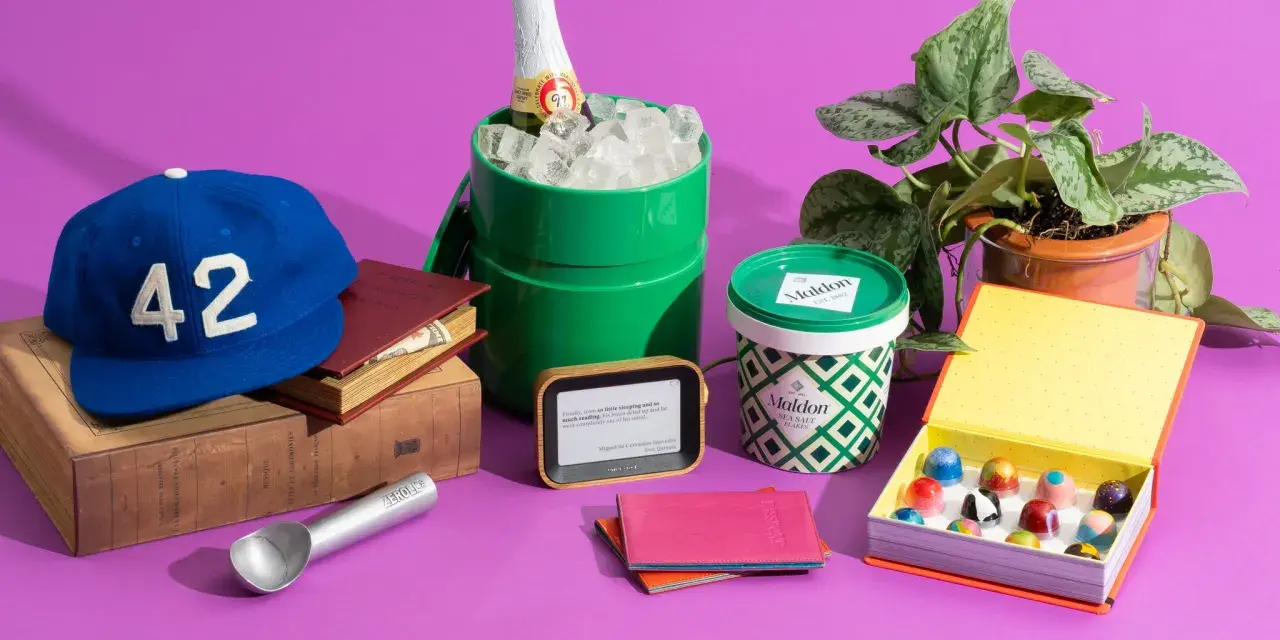
What matters most when you buy prizes for adults
- Choose items with broad appeal, not niche novelty.
- Keep most prizes in the $5 to $25 range; save higher-value pieces for a few standout slots.
- Match the prize to the format, because a door prize and a silent auction item do not need the same perceived value.
- Bundle low-cost items so they feel intentional instead of cheap.
- Prioritize local gift cards, practical home goods, and experience vouchers when you want the money to stay in the community.
What makes a small prize feel worth winning
I usually judge a prize with four quick tests: would most adults use it, would they understand it instantly, can they carry it home easily, and does it feel like a thoughtful choice rather than leftover inventory. That sounds simple, but it filters out most weak options.
| Question | What works | What usually disappoints |
|---|---|---|
| Is it broadly useful? | Gift cards, snacks, candles, mugs, reusable items | Hyper-specific gadgets or joke gifts |
| Does it fit many adults? | Neutral colors, everyday themes, local services | Items tied to a narrow hobby or style |
| Does it feel complete? | Small bundles with one clear theme | Single cheap items with no context |
| Is it easy to distribute? | Flat, lightweight, shelf-stable, no assembly required | Bulky items or anything that needs explanation |
The point is not to make the prize expensive. The point is to make it feel chosen. Once that is clear, the best options become much easier to sort from the filler.
Low-cost prize ideas adults actually want
For events and auctions, I lean toward items that are practical first and fun second. Adults are far more forgiving of modest value when the item solves a small problem, saves them a trip, or gives them an easy treat.
| Prize idea | Typical cost in the US | Why it works | Best use |
|---|---|---|---|
| Coffee shop gift card | $5 to $15 | Universal, flexible, no sizing issues | Door prizes, raffles |
| Local restaurant card | $10 to $25 | Feels like a treat and supports nearby businesses | Raffles, community fundraisers |
| Movie-night kit | $10 to $20 | Easy to bundle with popcorn, candy, or a streaming add-on | Raffles, silent auction baskets |
| Scented candle or wax melts | $8 to $20 | Popular when the audience likes home comfort items | Door prizes, self-care bundles |
| Reusable tumbler or mug | $10 to $20 | Useful, familiar, easy to brand for an event | Door prizes, work events |
| Succulent or small plant | $8 to $15 | Looks thoughtful and photographable without much cost | Raffles, welcome gifts |
| Snack or chocolate assortment | $8 to $18 | Low risk and easy to build around a theme | Raffles, auction baskets |
| Self-care mini set | $12 to $25 | Lotion, tea, face mask, and lip balm feel complete together | Silent auctions, appreciation events |
| Board or card game | $15 to $30 | Useful for groups and strong for social events | Raffles, themed nights |
| Reusable tote or lunch bag | $10 to $20 | Practical, gender-neutral, and easy to pair with other items | Door prizes, community events |
I like this category because it keeps the budget honest. A $12 prize can still feel generous if it is something the winner will use, and that matters more than a random trinket ever will. The strongest small prizes also travel well, which is helpful when guests are leaving with several items at once.
One caution: if an item has strong scent, a very specific style, or obvious personal preferences attached to it, it works better as part of a bundle than as a stand-alone prize. That small adjustment usually raises the perceived value without raising the price much.
How to match prizes to raffles, door prizes, and silent auctions
Not every prize should do the same job. A door prize needs instant appeal, a raffle prize needs broad appeal at scale, and a silent auction item needs enough perceived value that people feel comfortable bidding on it.
| Event format | Ideal value | Best types of prizes | Why this range works |
|---|---|---|---|
| Door prize | $5 to $20 | Coffee cards, candles, snacks, tote bags | People want something easy to win and easy to carry |
| Raffle prize | $10 to $30 | Gift cards, mini bundles, local treats, plants | Broad appeal matters more than prestige |
| Silent auction item | $25 to $75 for small items or bundles | Themed baskets, donated services, local experiences | The item needs enough presence to invite bidding |
A small item can still belong in a silent auction, but it usually needs a frame. A $12 candle by itself is a door prize; the same candle with tea, a mug, and a note from a local shop becomes a basket people will actually bid on. That is where presentation comes in, and it matters more than most planners expect.
For community events, I especially like prizes that keep value local. Gift cards to neighborhood cafes, museum passes, class vouchers, and service certificates from small businesses do more than fill a table; they also send spending back into the same community you are trying to support. From a social-good perspective, that is a better trade than buying generic bulk items online.
How to make a cheap prize look premium
I have seen a modest basket outbid a more expensive one because it looked more deliberate. The winner is not always the item with the highest retail number; it is often the one with the clearest theme and the cleanest presentation.
- Use a single theme per prize, such as coffee morning, movie night, or quiet evening at home.
- Put one item in charge and let the rest support it. A strong anchor item makes the bundle feel complete.
- Use a real container when possible. A basket, tote, tray, or box looks more finished than loose items wrapped in plastic.
- Add a short handwritten tag so the prize feels curated instead of assembled at random.
- Match the packaging style to the event. Neutral ribbon and plain paper work well for fundraisers; bright colors are better for social or game-night events.
- Group prizes by value tier so the table looks balanced and no item feels like an afterthought.
There is also a practical side to packaging: a tidy bundle reduces awkwardness at pickup, especially when guests are already carrying drinks, jackets, or check-in materials. Once the prize table looks polished, the next challenge is to make sure the prize list itself does not include items that create friction.
What to avoid when the audience is adults
The most common mistake I see is buying items that are inexpensive but not actually desirable. That usually happens when the prize is selected for the buyer’s taste, not the winner’s.
- Avoid generic mugs, pens, and novelty items unless they are part of a stronger bundle.
- Avoid size-dependent items like clothing unless you know the audience or can offer multiple sizes.
- Avoid overly personal scents, colors, or decor styles unless the group is very specific.
- Avoid anything that feels like leftover office supplies or clearance-bin filler.
- Avoid age-restricted items unless your event has a clear process for eligibility and handoff.
- Avoid cheap gadgets that look clever but are likely to break or get tossed within a week.
My rule is simple: if the prize needs a long explanation, it is probably not the right prize. Adults do not need novelty to be interested; they need something that feels useful, pleasant, or slightly indulgent. That standard makes the buying plan easier, which is the last piece worth getting right.
A simple buying plan that keeps the budget under control
For a community event or fundraiser, I like a tiered plan instead of a single shopping list. It keeps the table interesting and prevents overspending on items that do not add much value.
- Set a ceiling for each tier. I usually start with most prizes under $15, a second group around $15 to $25, and only a few items above that.
- Buy the broadest-appeal items first. Gift cards, food, and practical home goods usually deserve priority over decorative extras.
- Ask local businesses for donated cards or product. Even small donations can make a visible difference, and they help the event feel connected to the neighborhood.
- Use bundles to lift value. Three modest items grouped around one theme almost always perform better than three separate giveaways.
- Leave time for labeling and presentation. A prize table that looks organized will usually outperform one that looks rushed.
If the event is small, I would rather have six strong prizes than fifteen forgettable ones. If the event is larger, I would rather repeat a few reliable categories than improvise with random purchases. That discipline saves money and makes the guest experience cleaner from start to finish.
The safest way to stretch a prize budget without lowering the standard
The smartest small prizes are the ones that feel intentional, not expensive. When you choose practical items, keep the price band tight, and package everything with care, even modest gifts can create real excitement.
For events and auctions, I keep coming back to the same principle: broad appeal beats novelty, and presentation beats clutter. Used that way, small prize ideas for adults become a tool for participation, not just another expense, and the whole event feels more thoughtful because of it.
