Volunteering matters because it solves problems that money alone cannot reach: time, trust, and human attention. In the United States, that shows up in food banks, school programs, disaster recovery, hospital support, neighborhood cleanup, and the everyday work of keeping civic life moving. That is why understanding why volunteer is important matters if you want your effort to produce real impact rather than just good intentions.
The short version is that volunteering turns spare time into public value
- Volunteers keep essential community services running when staff and budgets are stretched.
- The latest U.S. data show volunteering is broad, with formal service contributing billions of hours and massive economic value.
- People who volunteer often gain skills, confidence, social connection, and a stronger sense of purpose.
- The best volunteer role is the one you can sustain consistently, not the one that looks most impressive on paper.
- Good volunteer programs are specific, trained, and tied to a real need, not just busywork.
What volunteers change on the ground
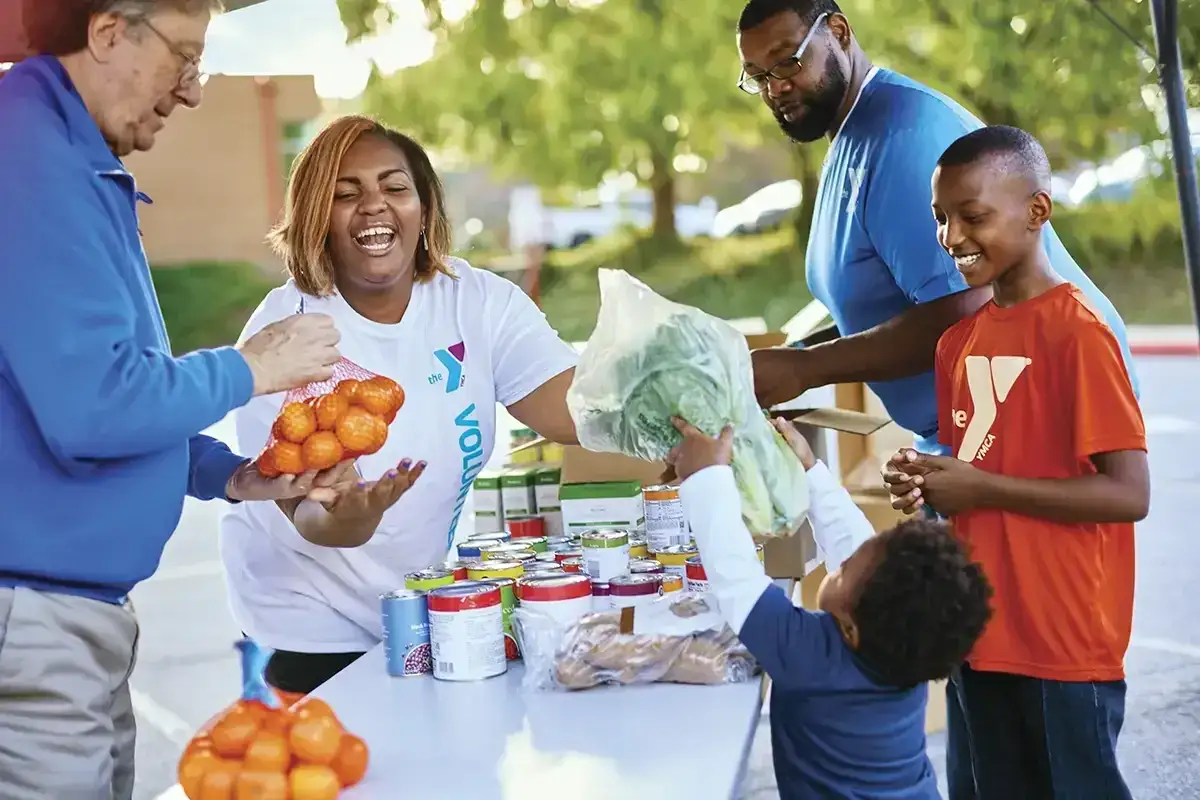
I usually think of volunteers as the extra capacity that lets a community respond before a problem becomes a crisis. They help organizations do the work that would otherwise be delayed, trimmed, or dropped altogether. That matters in practical places, not abstract ones: a food pantry needs hands to sort donations, a school needs tutoring support, a shelter needs a calm person at the front desk, and a park clean-up needs people willing to show up with gloves and trash bags.
| Area of need | What volunteers actually do | Why it matters |
|---|---|---|
| Food access | Sort donations, pack meals, distribute groceries, help with deliveries | Keeps food moving to households that need help now, not next week |
| Education | Tutor reading, mentor teens, support after-school programs, assist in classrooms | Gives students extra attention that schools often cannot fund on their own |
| Disaster response | Clear debris, register survivors, hand out supplies, provide coordination support | Speeds recovery when local systems are under pressure |
| Health and care | Offer patient guidance, transport, companionship, hotline support, administrative help | Reduces friction in places where patience and human presence matter |
| Neighborhood life | Clean up streets, plant trees, help neighbors, staff events, support local nonprofits | Builds the trust that keeps communities from feeling fragmented |
That is the part people sometimes miss: volunteering is not only about generosity. It is also about throughput. A good volunteer can help an organization serve more people, faster and with better care. And once you see it that way, the personal benefits start to make more sense too.
How volunteering changes the person doing it
The strongest argument for volunteering is not that it makes people feel virtuous. It is that it tends to make people more capable, more connected, and often more grounded. I see that in three recurring ways. First, volunteering teaches useful skills in a low-risk setting. You can practice communication, teamwork, logistics, fundraising, mentoring, or event coordination without the pressure of a job title attached to it. Second, it widens your network in a way that feels human rather than transactional. Third, it often gives people a clearer sense of purpose because the work is tied to an outcome they can actually see.
There is also a quieter benefit that is easy to underestimate: regular service can reduce isolation. People who volunteer tend to spend time with others outside their usual circle, which can improve mood and resilience. That does not mean every volunteer role is emotionally rewarding all the time. Some are repetitive, some are messy, and some expose you to real need. But when the fit is right, the work is often more energizing than exhausting because it connects effort to meaning.
The catch is that the benefit depends on fit. If the role is chaotic, unsupported, or too far from your interests, the experience can feel like obligation instead of contribution. The takeaway is simple: choose work that gives you enough challenge to grow, but not so much friction that you stop showing up.
That balance matters just as much for the broader volunteer ecosystem, because communities cannot rely on people who burn out after one enthusiastic month.
Why the U.S. still depends on volunteers
In the latest national data, AmeriCorps and the U.S. Census Bureau estimate that 28.3% of Americans age 16 and older formally volunteered between September 2022 and September 2023, contributing 4.99 billion hours of service. Independent Sector estimates the value of a volunteer hour at $36.14 in 2025. Those numbers are not just impressive on paper; they explain why volunteer labor is woven into the basic functioning of American civic life.
| Latest U.S. measure | Figure | What it tells us |
|---|---|---|
| Adults who formally volunteered | 28.3% | Volunteerism remains a mainstream part of civic life, not a niche habit |
| Total formal volunteer hours | 4.99 billion | Small commitments add up to enormous collective capacity |
| Economic value of those hours | $167.2 billion | Volunteer work has real economic weight, not just symbolic value |
| Estimated value of one volunteer hour | $36.14 | Even a short shift can represent meaningful support for a nonprofit or public service |
I also read one important warning in the data: more people are volunteering again, but the hours served per person have continued to decline. That suggests the challenge is no longer only recruiting helpers. It is building volunteer models that fit modern schedules, offer clear training, and make it easy for people to stay involved without overcommitting.
This is where the next question becomes practical: not whether volunteering matters, but how to choose a role that is actually worth your time.
How to pick a role that fits your life
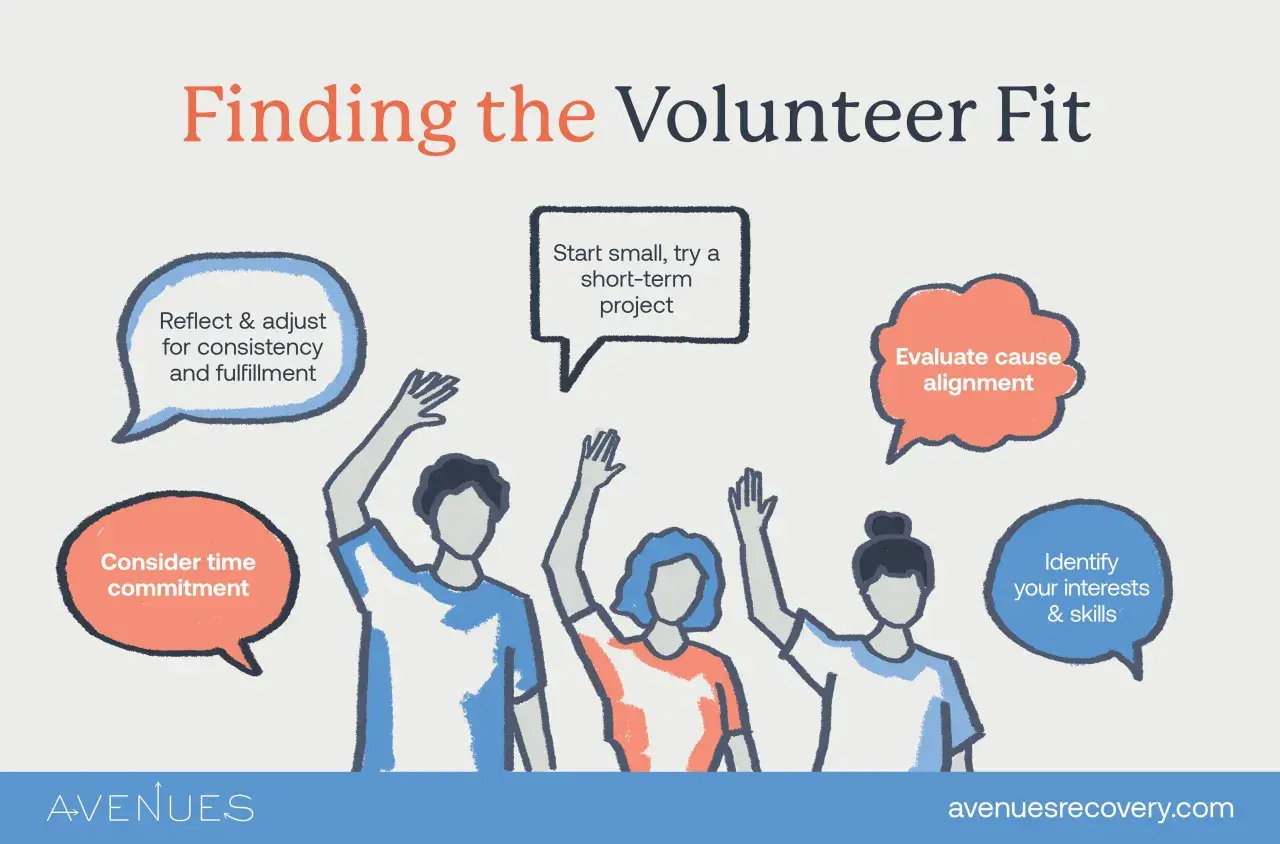
The best volunteer match is rarely the flashiest one. It is the one that fits your time, temperament, and skills closely enough that you can keep going after the first burst of enthusiasm wears off. If I were helping someone choose in 2026, I would start with four questions.
| Question | What a good answer looks like | Why it matters |
|---|---|---|
| What problem am I helping solve? | A clear outcome, such as meals delivered, students tutored, or neighbors housed | Prevents vague, feel-good volunteering that does not move anything forward |
| How much time can I sustain? | A repeatable commitment, even if it is modest | Consistency usually beats intensity |
| What skills do I bring? | Communication, admin, caregiving, logistics, digital help, repair, or mentoring | Better fit means better results and less frustration |
| What support will I get? | Orientation, supervision, and a clear contact person | Good onboarding keeps volunteers from drifting away |
That approach is more honest than signing up for the hardest role in the room and quitting two weeks later.
Where volunteering helps most, and where it does not
Volunteering is powerful, but it is not magic. It works best when it fills a real gap and supports a system that already knows how to use help. It works less well when organizations treat volunteers as free labor without training, when tasks are too vague, or when the role asks people to do work that should really be done by paid staff. That is not a knock on volunteers; it is a reminder that good service needs structure.
The strongest volunteer programs usually share a few traits: they define the task clearly, they match people to the right level of responsibility, they respect boundaries, and they give feedback. In other words, volunteers are most useful when they are treated like partners in a mission, not like interchangeable extras. That is especially important in sensitive settings such as shelters, hospitals, youth programs, or crisis response, where trust and consistency matter as much as enthusiasm.
Another limitation is emotional burnout. People sometimes assume the answer is simply to volunteer more, but that is not always true. A rushed or overextended volunteer can become less effective over time. A steady one who shows up predictably, learns the routine, and stays for the long haul is usually more valuable.
So the goal is not maximum volunteer hours at any cost. The goal is durable help that people can rely on.What I would tell someone who wants to start this year
If you want a practical starting point, begin locally and keep the commitment small enough to repeat. Pick one cause that matters to you, one organization that has a clear need, and one schedule you can realistically keep for at least a few months. That simple rule filters out most of the noise and gets you to the part that matters: showing up.
I would also ask one final question before joining anything: does this role create real value for someone else, or does it mostly make me feel busy? The difference is important. Good volunteering should leave room for learning, but it should also solve a concrete problem.
The real answer to why volunteer is important is that it turns ordinary hours into trust, capacity, and belonging. That is still one of the most practical ways to strengthen a neighborhood, support a nonprofit, and make civic life feel less fragile.